
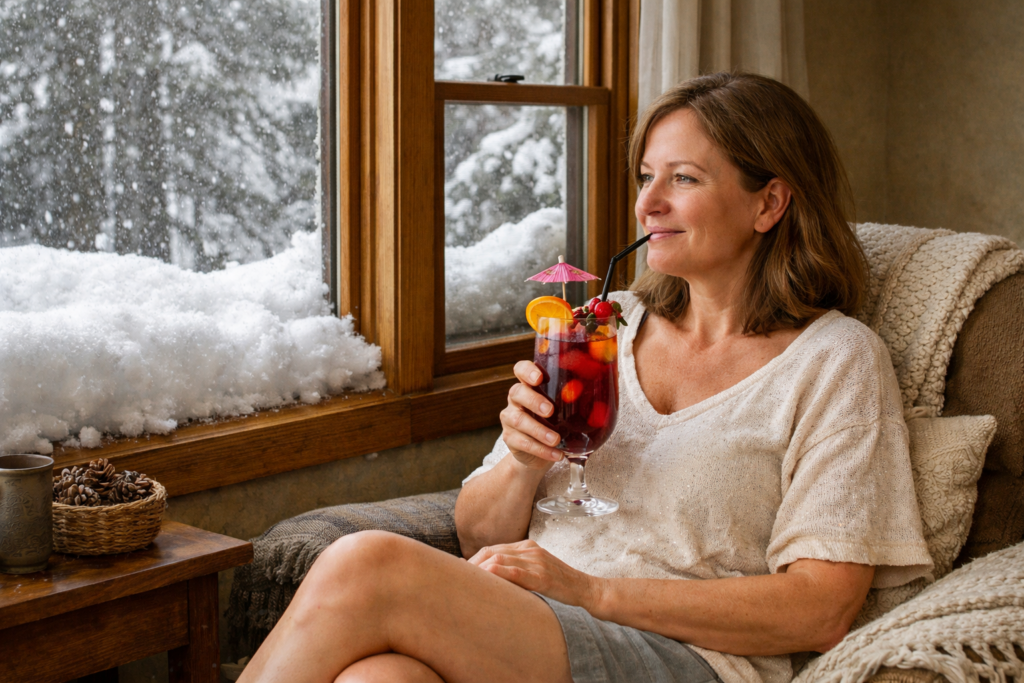
Winter in Southern Ohio can be unforgiving. Ice storms, heavy winds along the river valley, and aging power infrastructure mean outages aren’t rare — especially in Scioto, Pike, and Jackson counties. Whether you’re trying to cut energy costs or ride out a winter storm safely, staying warm doesn’t require dangerous heaters or open flames.
Here are 12 safe, flame-free ways to keep warm — plus pro tips for apartment dwellers and rural homes.
Seal drafts fast
Older homes leak heat. Use towels, blankets, or foam draft blockers at doors and windows. Even temporary barriers help trap warmth.
Close off unused rooms
Heating one or two rooms is easier than heating an entire house. Shut doors and block vents to unused spaces.
Layer up indoors
Thermal base layers, hoodies, wool socks, and hats trap body heat. Think outdoor clothing — but inside.
Use better blankets
Fleece and wool retain heat better than cotton. Layering blankets works better than relying on one heavy cover.
Sleep smarter
Choose the warmest room and use extra blankets or a cold-weather sleeping bag. Socks and knit caps help overnight.
Let the sun in
Open south-facing curtains during daylight hours. Close them at dusk to lock heat inside.
Insulate from the floor up
Cold floors drain heat fast. Rugs, extra blankets, or cardboard reduce heat loss. Slippers make a difference.
Eat warm, calorie-dense foods
Your body generates heat from fuel. Warm meals and drinks help maintain core temperature.
Move your body
Light activity boosts circulation. Stretching or walking in place can raise body temperature quickly.
Know when to seek help
If temperatures drop dangerously low — especially for children, seniors, or medically vulnerable people — warming centers are the safest option.
Pro Tips for Apartment Dwellers
- Close blinds at night to reduce heat loss through windows
- Use draft stoppers at shared hallway doors
- Concentrate warmth in one living area
- Ask management about emergency heat policies during outages
Pro Tips for Rural Homes
- Identify your warmest room before storms hit
- Keep extra blankets near beds and seating areas
- Insulate exposed floors and exterior walls as much as possible
- Plan for longer outages due to distance from substations
Storm-Prep Sidebar: Be Ready Before the Freeze
- Store extra blankets and winter clothing indoors
- Keep non-perishable foods ready
- Charge phones and battery packs ahead of storms
- Check on elderly neighbors or family members
Southern Ohio winters don’t have to be dangerous or expensive. A little preparation — and the right habits — can keep families warm, safe, and comfortable when the power goes out.