
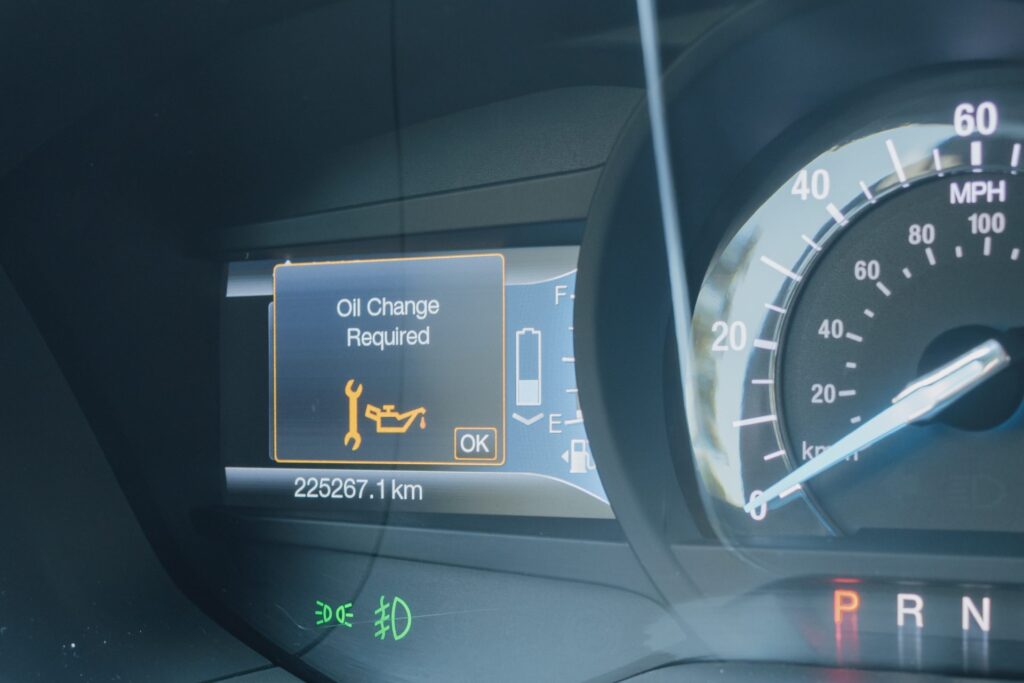
Many drivers put off routine maintenance, often thinking it won’t cause immediate harm. However, the dangers of skipping regular oil changes build over time and quietly affect how your engine performs. Engine oil plays a vital role in keeping internal parts lubricated, reducing heat, and preventing debris from causing damage. When you do not change your oil on schedule, it breaks down and loses its effectiveness, putting stress on essential components. This neglect can turn a small maintenance task into a serious mechanical issue that impacts both performance and longevity.
Reduced Engine Performance
Fresh oil keeps engine parts moving smoothly, allowing your vehicle to run efficiently. As oil ages, it thickens and becomes contaminated with dirt and metal particles. This change reduces its ability to lubricate properly, forcing the engine to work harder than necessary. Drivers may notice sluggish acceleration or reduced fuel efficiency as a result. Over time, this added strain can lead to noticeable declines in overall performance and responsiveness behind the wheel.
Increased Engine Wear
When oil loses its protective qualities, metal components inside the engine begin to grind against each other. This friction accelerates wear and can cause irreversible damage to critical parts. Skipping oil changes is a bad driving habit that can affect your engine by shortening its lifespan and increasing the likelihood of breakdowns. Even small delays in maintenance can contribute to long-term issues that are expensive to fix.
Risk of Overheating
Oil controls engine temperature by minimizing friction and moving heat away from internal components as they operate. Old or degraded oil cannot perform this function effectively, which raises the risk of overheating. An overheated engine can warp components, damage seals, and lead to severe mechanical failure. Drivers who ignore regular oil changes may find themselves dealing with unexpected overheating issues, especially during long drives or in warmer conditions.
Sludge Buildup and Blockages
As oil deteriorates, it can form thick sludge that accumulates inside the engine. This buildup restricts oil flow and prevents proper lubrication. Sludge can clog passages and starve parts of the oil they need to function. Once this occurs, the engine may suffer from reduced efficiency and increased wear. In severe cases, sludge buildup can lead to complete engine failure, requiring costly repairs or replacement.
Higher Repair Costs
Neglecting routine oil changes often results in more than just reduced performance. Poor lubrication and overheating can cause major repairs that you could have avoided. Replacing worn components or repairing a damaged engine is far more expensive than maintaining a consistent oil change schedule. Regular upkeep protects your investment and helps ensure your vehicle remains reliable.
Maintaining Engine Health
Understanding the dangers of skipping regular oil changes highlights how important this simple task is for maintaining engine health. Regular oil changes keep your engine running smoothly, reduce wear, and prevent costly damage over time. By staying consistent with maintenance, drivers can extend the life of their vehicle and avoid unnecessary repairs.