
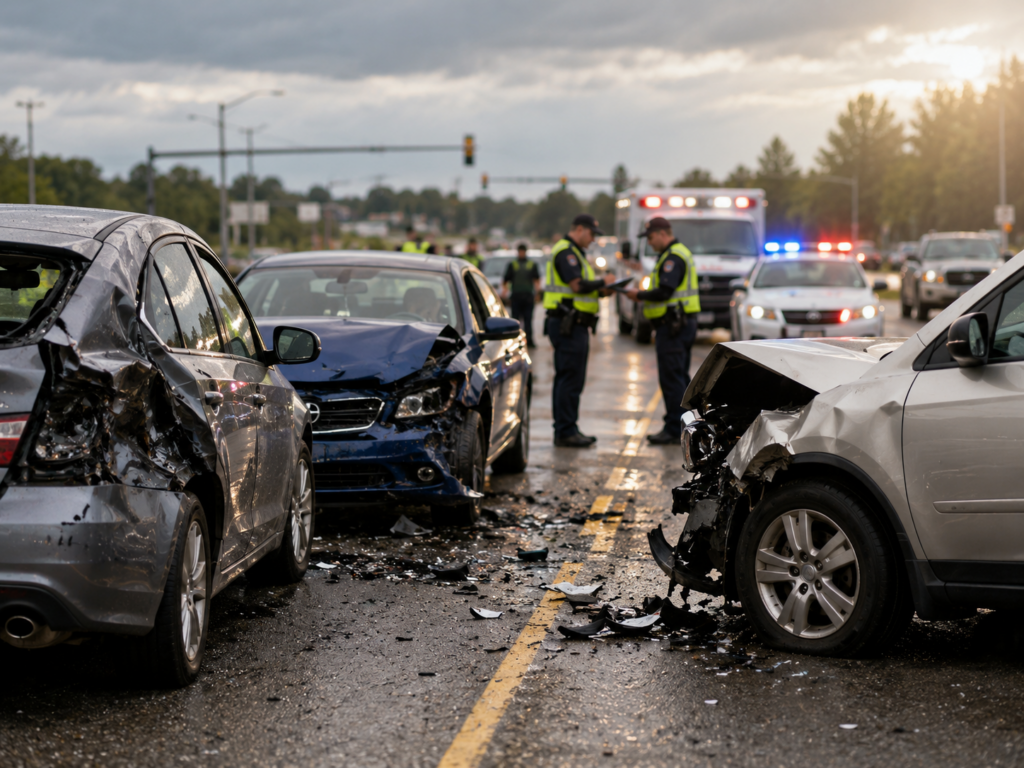
Multi-vehicle crashes create difficult injury claims because several drivers, vehicles, and insurance policies may share responsibility. A collision can begin with one unsafe turn and worsen through subsequent impacts. Investigators must identify each contributing act, measure resulting harm, and assign a fair percentage of fault. That percentage can reduce financial recovery, depending on state rules. Clear evidence helps injured people present a credible claim and seek payment for medical care, lost income, and related losses.
Why Fault Gets Divided
After a chain collision, compensation lawyers can help injured people assess each driver’s contribution to the event. A motorist may have followed too closely, while another ignored a signal or changed lanes suddenly. Police records, witness accounts, vehicle damage, and roadway images can connect conduct with impact timing. Those details matter because an insurer may blame a single claimant for every injury, even when several actions contributed to the final crash.
The Basic Legal Test
Comparative fault asks whether the injured person’s conduct helped cause the harm. Courts usually compare the claimant’s care with each defendant’s conduct. A driver who braked late may hold one share, while a truck operator who blocked visibility may hold another. The claimant’s percentage then affects the amount of damages. For example, a forty-thousand-dollar award reduced by 20% becomes 32,000 dollars before other legal adjustments.
Pure And Modified Rules
States use different comparative-fault systems. Under a pure model, a claimant may recover even after bearing most of the responsibility, although the payment falls by that share. A modified model bars recovery after the claimant reaches a stated threshold, often 50 or 51%. Local law controls the result, so accident participants need timely advice on the applicable jurisdiction, filing deadlines, and fault standard.
Proving Driver Conduct
Evidence should show what happened before, during, and after each impact. Dash camera footage may establish speed or lane position. Traffic signals, phone records, event data, and photographs can add useful timing details. Medical records connect physical harm with the collision. Independent witnesses can clarify visibility, warnings, and vehicle movement. A consistent timeline gives attorneys and insurers a stronger basis for assigning responsibility.
Separating The Impacts
A person may suffer injuries during several contacts, making medical causation important. One impact might cause a fracture, while a later strike worsens spinal pain. Specialists can review scans, treatment notes, and prior health records to distinguish a new injury from prior conditions. Each responsible party may contest that analysis. Prompt medical care and complete reporting help preserve a reliable account of symptoms and changes.
Insurance And Settlement Issues
Each involved vehicle may have its own coverage, creating multiple claim paths. Policy limits can restrict payment even when the fault is clear. An insurer may request statements, releases, or medical authorizations before making an offer. Claimants should review those documents carefully and preserve copies. A quick settlement can prevent later recovery if future treatment, reduced earning ability, or lasting impairment remains uncertain.
Shared Fault At Trial
At trial, jurors may assign percentages to every negligent driver and the claimant. The judge then applies those findings to proven damages under local law. Defendants can dispute speed, visibility, following distance, road conditions, and medical cause. Strong testimony should remain factual and consistent. Expert opinions can assist with collision sequence, while treating clinicians can explain injury progression and expected care.
Steps After A Crash
Safety comes first. Injured people should seek medical evaluation, report the collision, and collect contact details from witnesses. Photographs should capture vehicle positions, road markings, signals, weather, and visible injuries. Social media posts can create harmful interpretations, so public comments deserve care. Records should be stored together, including bills, wage information, repair estimates, and correspondence from insurers or other parties.
Conclusion
Comparative fault can alter the value of a multi-vehicle accident claim, even when another driver appears primarily at fault. A careful review must connect each act with the collision, separate injuries across impacts, and account for insurance limits. Evidence gathered early supports a clearer allocation of responsibility. Timely legal guidance also helps protect filing rights, evaluate settlement terms, and present damages that reflect medical needs, income loss, and long-term effects.