
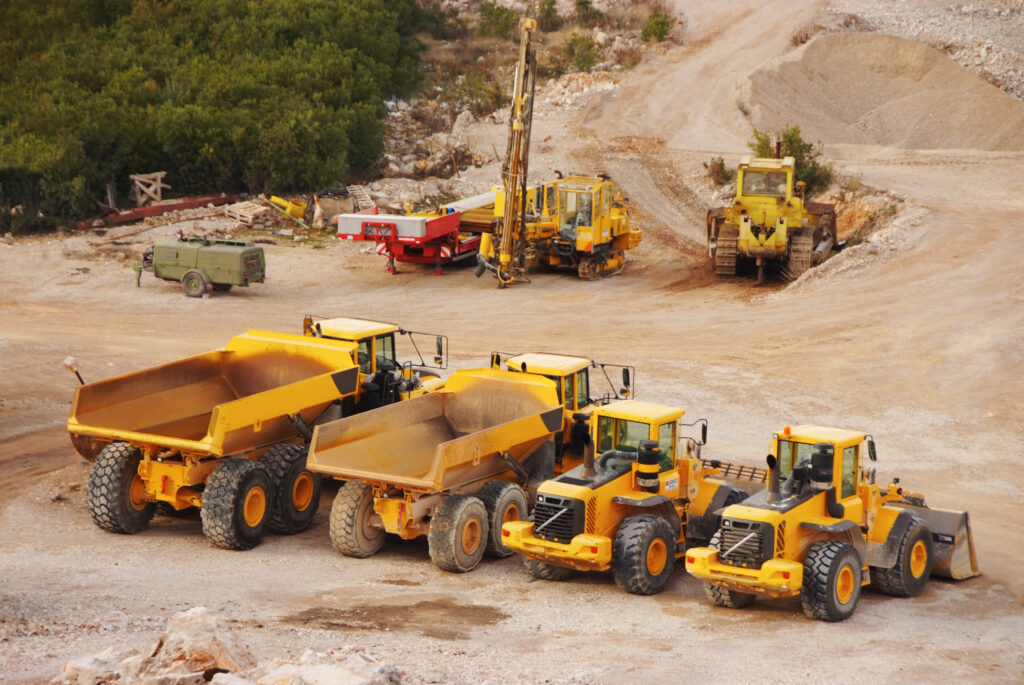
Large construction projects don’t run smoothly by accident. Behind every successful build is careful preparation, especially when it comes to equipment. Whether a project involves site preparation, utility work, or large-scale infrastructure, having the right machines available at the right time can prevent costly delays.
One of the most important steps is developing a clear equipment schedule before work begins. Mapping out when specific machines will be needed reduces idle time and prevents multiple crews from competing for the same resources. This is especially important on projects with several phases happening simultaneously.
Start With the Scope
Effective equipment planning for complex construction projects begins with a thorough review of project requirements. Different tasks demand different capabilities, and assumptions made early can create problems later. Project managers should identify major work activities, estimate equipment demand, and account for potential changes in site conditions.
It’s also wise to build flexibility into the plan. Weather delays, supply chain disruptions, and unexpected site challenges can affect equipment needs with little notice.
Match Equipment to the Task
Using larger equipment than necessary can increase operating costs, while undersized equipment may slow production. Selecting machinery based on workload, terrain, and project timelines balances efficiency and budget considerations.
Attachments can also play a significant role in maximizing machine versatility. Understanding the different types of excavator attachments and available options for other equipment can help crews adapt equipment to different tasks without requiring additional machines.
Prioritize Maintenance and Operator Availability
Even the best equipment plan can fall apart if machinery is unavailable when needed. Preventive maintenance schedules should be coordinated alongside project timelines to minimize unexpected downtime.
Operator availability is equally important. Ensuring qualified personnel are scheduled for critical equipment reduces delays and helps maintain safety standards across the jobsite.
Review and Adjust Regularly
Complex projects evolve over time, which means equipment plans should be reviewed throughout construction to account for shifting priorities and emerging challenges. Regular check-ins allow project teams to identify bottlenecks early and make adjustments before they affect productivity. When teams approach equipment planning for complex construction projects as an ongoing process rather than a one-time task, they are better positioned to keep work moving efficiently from start to finish.