

Those involved in shipping their goods are constantly trying to choose between a truckload or less than a truckload. This is very important since choosing a full truckload versus less than a truckload will affect your expenses and speed of delivery.
It also affects your risk and how much control you have over your shipment.
When companies rely on specialized freight services, understanding these differences prevents costly mistakes.
FTL freight reserves an entire trailer for one shipper. The truck loads at origin and drives straight to destination with no extra stops or shared cargo. LTL consolidates multiple shippers’ freight on the same trailer and routes it through terminals for sorting and reloading.
Cost and the Breakeven Reality
LTL charges by weight, class, and space used. That keeps small loads affordable. When you use FTL, you pay for the truck. This means the FTL price stays the same, whether the trailer is half full or packed to the roof.
WarehousingCosts.com’s 2026 rate analysis puts the LTL-to-truckload breakeven point at roughly 8 to 12 pallets, or somewhere between 10,000 and 15,000 pounds, above which a dedicated truck usually wins on total cost. That breakeven tends to sit narrower than most shippers assume, which means freight booked as LTL out of habit is sometimes already costing more than a full truck would.
Below that range, LTL usually wins. Above it, FTL often delivers lower cost per pallet once accessorials and handling fees are counted.

FTL runs direct. A typical long-haul lane finishes in one or two days. LTL adds terminal stops, stretching the same move to three, four, or five days.
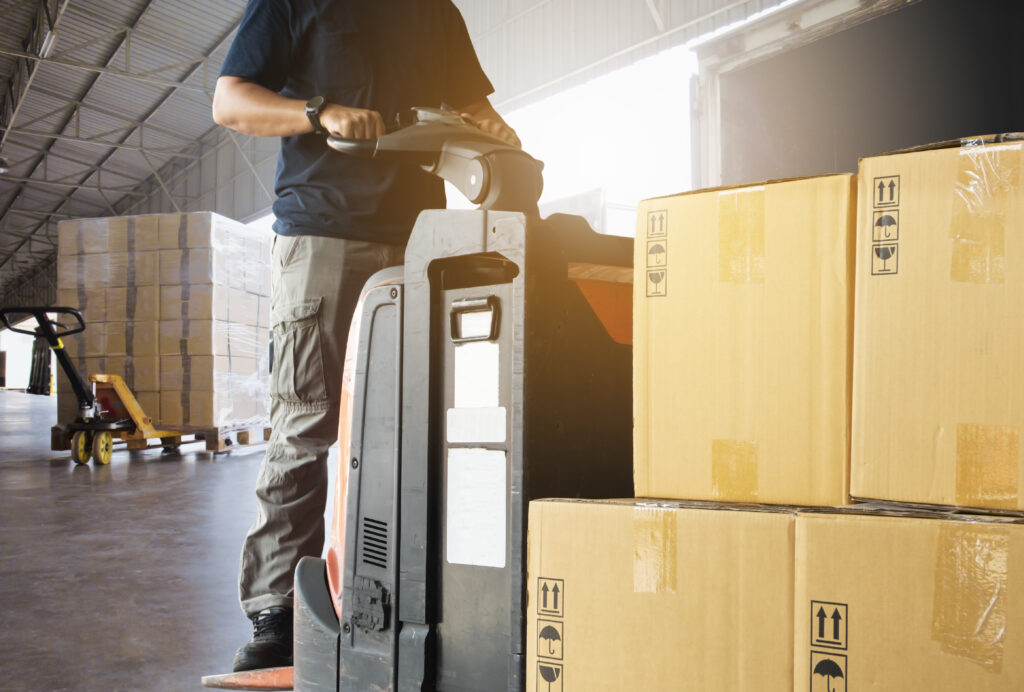
Fewer touches also mean less damage risk. FTL freight is usually loaded once and unloaded once. LTL can be handled four to six times. Durable goods tolerate the extra handling; fragile or high-value cargo often does not.
Control and When to Choose Each
With FTL, the shipper controls the trailer, the schedule, and the seal. Visibility is straightforward because the truck serves only one load. LTL offers lower entry cost but less schedule flexibility and wider delivery windows.
Use LTL for smaller, flexible shipments that fit under the breakeven zone. Switch to FTL freight when volume climbs, transit time matters, or the cargo needs protection from extra handling. Comparing both options on borderline loads keeps total cost and risk in check.