
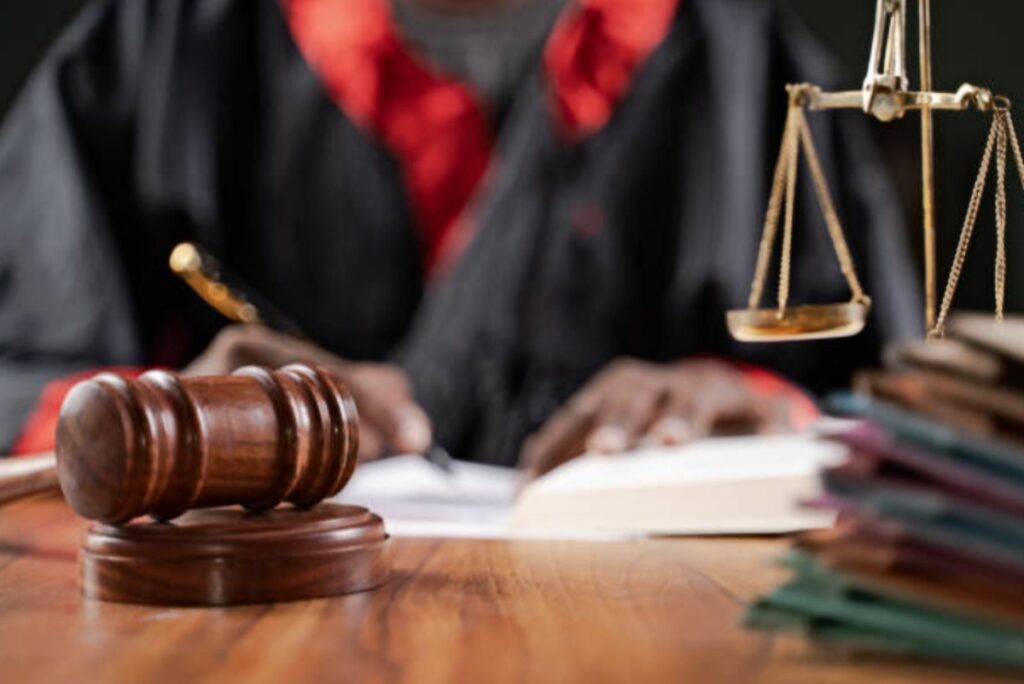
A continuance can strengthen a criminal defense by giving the defendant and their attorney additional time to prepare the case. Instead of moving forward before important evidence has been reviewed or key witnesses have been located, a continuance may allow the defense to address these issues properly. Although a judge does not have to grant every request, additional preparation time can sometimes make a meaningful difference in how a case is handled.
Knowing when to request a continuance can be important when something prevents the defense from being fully prepared for an upcoming hearing or trial. The reason for the request should be legitimate and supported by the circumstances. Courts generally want cases to move forward, but they also recognize that defendants need a fair opportunity to prepare their defense.
What Is a Continuance?
A continuance is a request to postpone a scheduled court proceeding until a later date. It may be requested for a hearing, trial, or another important stage of a criminal case.
The reason for requesting one can vary. An attorney may need additional time to review recently received evidence, locate a witness, obtain records, investigate new information, or prepare a response to an issue that came up unexpectedly.
A continuance is not meant to delay a case without a reason. The court will generally consider why additional time is needed and whether postponing the proceeding is reasonable under the circumstances.
More Time Can Lead to Better Preparation
Preparation is one of the most important parts of a criminal defense.
An attorney may need to review police reports, witness statements, photographs, videos, forensic evidence, or other records before deciding how to approach the case. If new evidence becomes available shortly before a hearing or trial, there may not be enough time to examine it carefully.
A continuance can give the defense an opportunity to look at the information properly rather than making decisions under unnecessary time pressure.
More time can also help the defendant understand the case. Criminal charges can have serious consequences, and a person should understand their options before deciding whether to accept a plea agreement, challenge the charges, or proceed toward trial.
Finding and Speaking With Witnesses
Witness testimony can sometimes play an important role in a criminal case.
A witness may have seen what happened, know something about the circumstances surrounding an alleged offense, or have information that contradicts another person’s account. However, finding witnesses and determining what they actually know can take time.
If a defense attorney learns about an important witness shortly before a court date, requesting additional time may allow the attorney to contact that person and investigate their information.
This does not mean every witness will help the defense. Proper preparation means understanding both helpful and potentially unfavorable information before making important decisions.
Reviewing New Evidence
New evidence can change the way a defense team views a case.
For example, surveillance footage, phone records, medical documents, photographs, or other records may raise questions about the prosecution’s version of events. An attorney may need time to review such evidence and determine whether it can be used effectively.
A rushed review could cause important details to be overlooked. Additional preparation time can give the defense a better opportunity to understand what the evidence actually shows.
Protecting the Right to a Fair Defense
The U.S. Constitution provides important protections to people accused of crimes. Under the Sixth Amendment, criminal defendants have the right to assistance of counsel and other protections designed to support a fair defense.
This does not mean a defendant is automatically entitled to a continuance whenever more time would be convenient. Courts have to balance the defendant’s need for preparation with the need to keep proceedings moving.
The circumstances surrounding the request therefore matter. A specific and reasonable explanation is generally more meaningful than simply asking for additional time without explaining why it is necessary.
When a Court May Deny a Continuance
A judge may deny a continuance when there is not a sufficient reason for delaying the proceeding. A request that appears designed only to postpone the case may be viewed differently from one based on a genuine preparation problem.
Timing can also matter. If the defense knew about an issue for a long time but waited until the last minute to raise it, the court may question why the request was not made earlier.
For this reason, it is important to discuss potential problems with a defense attorney as soon as they arise.
Key Takeaways
- A continuance postpones a scheduled court proceeding.
- Additional time can help a defense attorney properly prepare a case.
- New evidence may require more time to review and investigate.
- A continuance can provide an opportunity to locate and speak with important witnesses.
- The Sixth Amendment provides important protections for criminal defendants.
- Courts may deny requests that lack a legitimate reason or appear intended only to cause delay.
- Extra preparation time should be used to investigate the case and make informed decisions.