
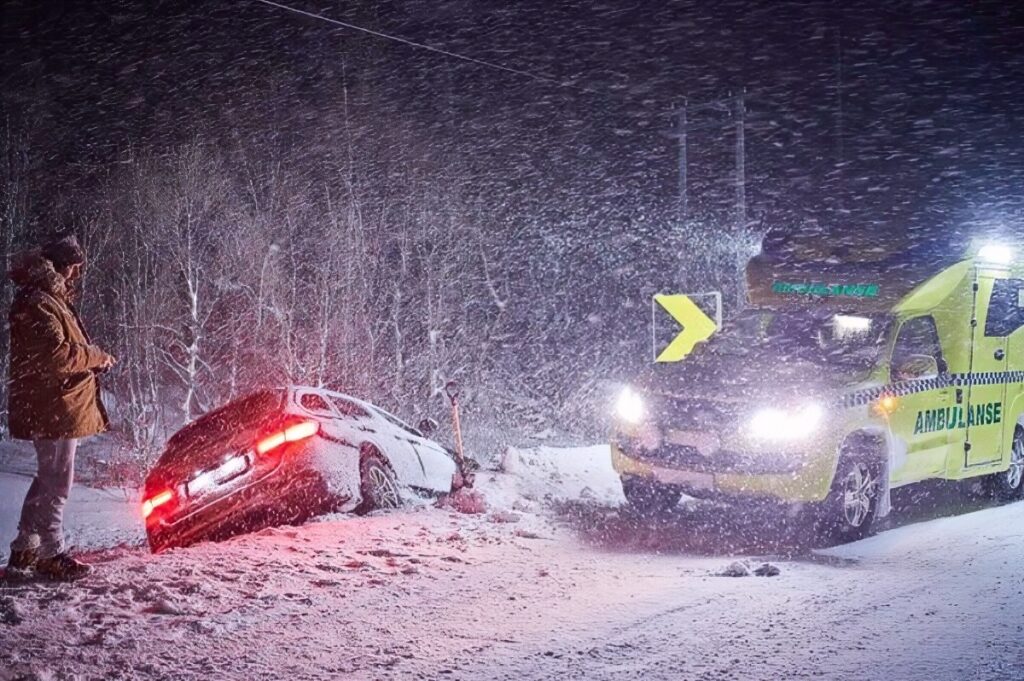
Weather conditions can increase the risk of car accidents by making roads slippery, reducing visibility, and making vehicles harder to control. Rain, fog, snow, ice, and strong winds can all create driving hazards, especially when motorists fail to adjust their speed and following distance.
Weather is not always the direct cause of a crash, but it can make other driving mistakes more dangerous. Understanding the most common causes of car accidents helps explain why conditions such as heavy rain or poor visibility can turn speeding, distracted driving, or following too closely into a serious collision.
The effect of weather depends on the type of conditions drivers encounter and how they respond. A driver who slows down, leaves extra space, and remains alert can often reduce the additional risks created by changing weather.
Rain Can Increase Accident Risks
Rain is one of the most common weather conditions affecting road safety. Water on the pavement reduces tire traction, making it harder for vehicles to stop or turn safely. According to the Federal Highway Administration, rain or mist accounts for about 77% of weather-related crashes when looking at the 2019–2023 five-year average.
Heavy rain can also create standing water and increase the risk of hydroplaning. When this happens, a vehicle’s tires may temporarily lose contact with the road, making steering and braking much more difficult.
Rain can also make it harder to see through the windshield, recognize brake lights, or judge the distance between vehicles. Drivers who maintain normal speeds despite these conditions may have less time to react when traffic suddenly slows.
Fog Makes Visibility More Difficult
Fog can make driving dangerous because it limits how far ahead a driver can see. A vehicle, pedestrian, stopped car, or road hazard may remain hidden until the driver is already too close to react safely.
Following another vehicle too closely becomes particularly risky in fog. If the vehicle ahead suddenly brakes, the limited visibility may leave the following driver with insufficient time to stop. Reducing speed and using appropriate headlights can give drivers more time to respond to unexpected hazards.
Snow and Ice Reduce Traction
Snow and ice can make roads extremely difficult to navigate. Tires have less grip on icy surfaces, which can increase stopping distances and make steering more difficult. Black ice presents an additional danger because it may be difficult to see. A driver may enter an icy section of roadway without realizing it until the vehicle begins to slide.
Drivers traveling in these conditions should reduce their speed and leave considerably more space between vehicles.
Strong Winds Can Affect Vehicle Control
Strong winds can also contribute to crashes, particularly when driving larger vehicles, motorcycles, or vehicles pulling trailers. Sudden gusts can push vehicles sideways or make it harder to remain within a lane.
Wind can also send branches, debris, and other objects onto the roadway. Drivers who encounter strong winds should remain alert and be prepared for sudden changes in road conditions.
How Does Bad Weather Make Other Mistakes Worse?
Weather can increase the consequences of mistakes that might be less serious under normal conditions. For example, a driver following too closely on a dry road may have enough traction to stop safely. On a wet road, the same following distance may not provide enough time to avoid a collision.
Speed can create a similar problem. Driving too fast in rainy, icy, or foggy conditions reduces the amount of time available to react and can make a vehicle harder to control.
Why Does Visibility Matter?
Good visibility allows drivers to identify hazards earlier. Heavy rain, fog, snow, and blowing dust can take away that advantage. When visibility is poor, drivers may have difficulty seeing lane markings, traffic signals, brake lights, or vehicles approaching from other directions. Even a few extra seconds of visibility can make a major difference when traffic changes unexpectedly.
This is why reducing speed during poor weather is so important. It gives drivers more time to recognize hazards and respond safely.
Ways Drivers Can Reduce Weather-Related Crash Risks
Drivers cannot control the weather, but they can change how they drive when conditions deteriorate.
Helpful precautions include:
- Slowing down on wet or slippery roads.
- Increasing the distance between vehicles.
- Using headlights when visibility is reduced.
- Avoiding sudden braking and sharp steering.
- Checking tire condition and pressure.
- Keeping windshields and windows clear.
- Pull over when conditions become unsafe.
These simple adjustments can reduce the likelihood of losing control or being unable to stop in time.
Key Takeaways
- Rain can reduce traction and increase the risk of hydroplaning.
- Fog and heavy precipitation can significantly reduce visibility.
- Snow and ice make braking and steering more difficult.
- Strong winds can affect vehicle control and place debris on roads.
- Poor weather can make speeding and following too closely especially dangerous.