
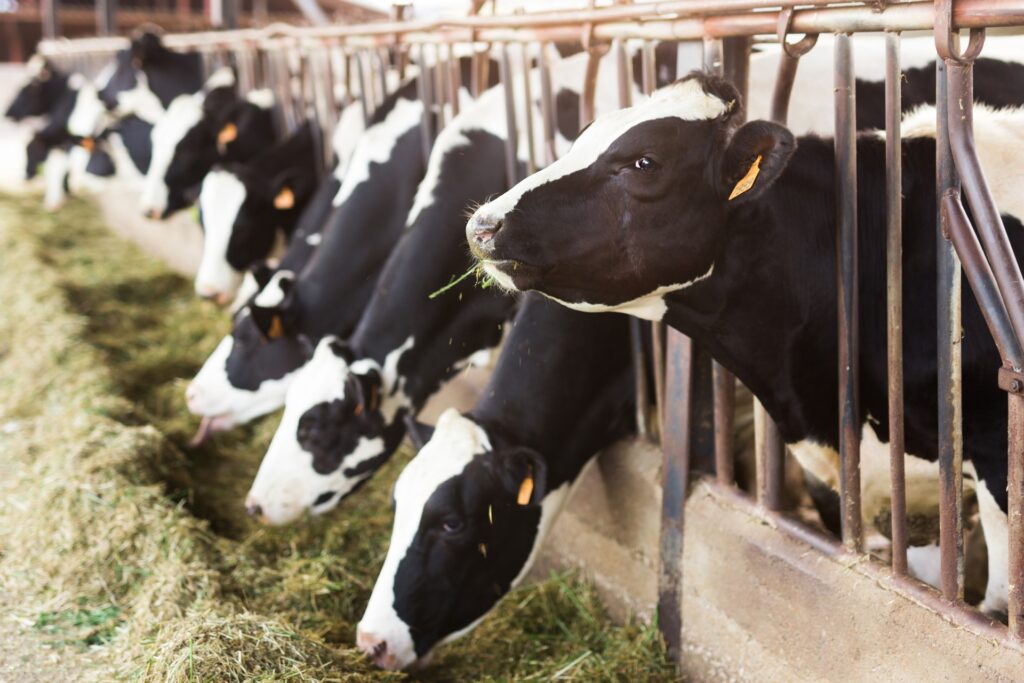
Dairy farming has evolved far past simple milking routines into a science of precise breeding and management. Today’s farmers are not just caretakers but innovators, using genetics to shape the future of their herds. By selecting specific traits, dairy producers can cultivate animals that are more productive, resilient, and profitable for their operations. Learn how genetics affects dairy cow health and performance in modern agriculture.
Improving Milk Production Efficiency
Genetic selection allows farmers to breed cows that naturally produce higher volumes of milk over their lifetimes. Breeders look for markers indicating high yield, fat content, and protein levels to maximize the output of every animal in the herd. Consequently, herds become more efficient.
Efficiency also involves how well a cow converts feed into milk. Some genetic lines have a superior metabolic efficiency, meaning they require fewer resources to maintain high production levels. Focusing on these traits helps farmers lower their operational costs while maintaining a steady supply of high-quality milk.
Enhancing Disease Resistance
Healthier cows are the foundation of a successful dairy operation, and genetics play a huge role in immune system strength. Modern breeding programs prioritize traits that improve resistance to common ailments such as mastitis, lameness, and metabolic disorders. As a result, farmers spend less on veterinary bills and antibiotics.
Additionally, genetic resilience helps cows recover faster if they do fall ill. Robust animals bounce back from stress events like calving or heat waves much quicker than those with weaker genetic profiles. This durability keeps the milking rotation stable and prevents the productivity dips that usually accompany health issues.
Selecting the Right Breeds
Different breeds offer unique genetic advantages, so choosing the right foundation stock is critical for meeting specific farm goals. For instance, Holsteins are famous for volume, while Jerseys are prized for the high butterfat content in their milk. Farmers must research cow breeds for dairy production to determine which genetics align best with their local climate and business model.
Integrating new genetics into an existing herd requires careful planning. Crossbreeding can sometimes introduce “hybrid vigor,” combining the best traits of two distinct breeds for a superior outcome. The choice of breed sets the genetic ceiling for the herd’s potential performance and health.
Longevity and Reproductive Success
A cow’s value increases the longer she remains productive and healthy within the herd. Additionally, genetic traits related to feet and leg structure directly influence how many years a cow can comfortably walk to the milking parlor.
Fertility is another major component of performance that relies heavily on genetic factors. Cows with high fertility traits breed back sooner after calving. Therefore, prioritizing reproductive health in breeding decisions creates a sustainable cycle of replacement heifers and consistent milk flow.
Advanced genetics allows producers to enhance dairy cow health and performance through targeted breeding. Farmers can now select traits that improve milk yield, reduce health issues, and extend the productive lifespan of their cows. These advancements create a win-win scenario for the animals and the farmer.