
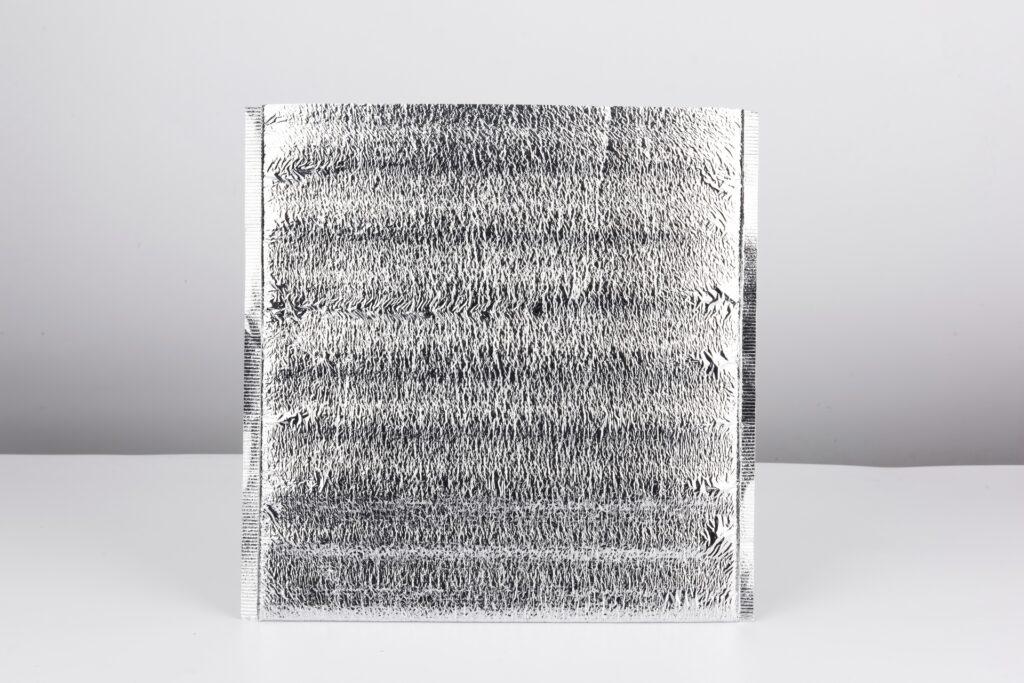
When you’re shipping items that need to stay at a specific temperature, the thermal pouch is your best friend. But what about the thing that keeps it all together? The closure might seem like a small detail, but it plays a huge role in protecting your products. Continue reading to discover how to choose the right closure for thermal pouches.
Adhesive Strips for Quick Sealing
Adhesive strips are among the simplest closure options available. These are essentially peel-and-stick tapes that come pre-applied to the pouch. You just remove the protective backing and press the flap down to create a seal. They are incredibly user-friendly and require no special equipment, making them a popular choice for high-volume shipping operations where speed is a priority.
Zippers for Reusability
Zippers offer a reclosable option that is perfect for products your customers will use multiple times. Think of items like specialty food products or medical supplies that need to be accessed and then resealed. While they provide great convenience, it is important to note that not all zipper closures are airtight. For items that require a more secure seal, you might need to combine a zipper with another closure method.
Heat Seals for Maximum Security
For the highest level of protection, heat seals are the way to go. This method uses a heat-sealing machine to melt the pouch material together, creating a permanent, tamper-evident, and airtight bond. This method is the ideal choice for shipping sensitive electronics or valuable medical supplies that you need to protect from moisture and contaminants. Closure systems are important for thermal pouches, and heat seals offer the most robust security.
What To Consider When Choosing
Think about a few key factors when making your decision. First, consider durability. Will your pouch withstand the rigors of shipping? A strong heat seal is often the most durable option. Next, evaluate security. If you are shipping high-value or sensitive items, a tamper-evident heat seal is critical. Finally, consider ease of use. For operations that prioritize speed and efficiency, the simplicity of adhesive strips can be a major advantage.
Industry-Specific Choices
Different industries have different needs. The food industry often benefits from zipper closures, which allow consumers to reseal products and maintain freshness. For sensitive electronics, a heat seal is typically the best choice to protect against static and moisture. In the medical field, where sterility is paramount, a tamper-evident heat seal provides the necessary security and protection.
Common Mistakes To Avoid
A common mistake is choosing a closure that does not match the product’s requirements. Using a simple adhesive strip for an item that needs an airtight seal, for example, can lead to product spoilage or damage. Another error is improper sealing. Even with the right closure, a poor seal can compromise the pouch’s integrity. Always follow the manufacturer’s instructions, especially when using a heat-sealing machine, to get a secure closure every time.
By carefully considering the type of product you are shipping and the level of protection it requires, you can select the best closure for your thermal pouches. This small decision can make a big difference in delivering your products safely and securely. If you need help finding the right thermal pouch and closure system for your business, contact our packaging experts today.