
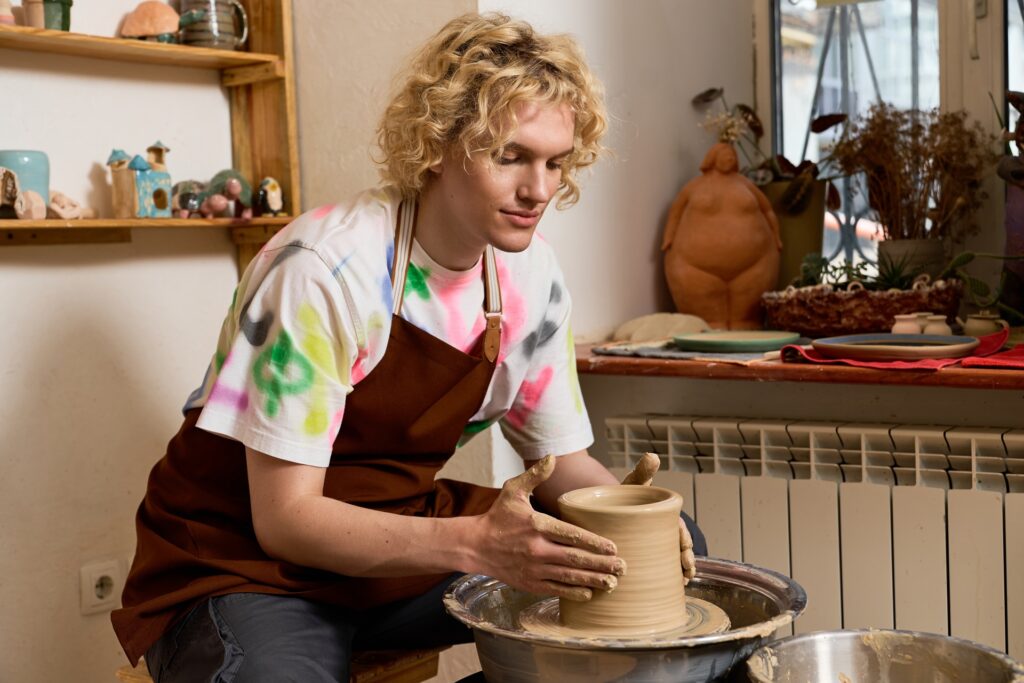
Strong dexterity makes everyday tasks easier, from typing and cooking to playing sports and tackling DIY projects. While hand exercises can improve coordination, hobbies offer a much more enjoyable way to develop fine motor skills. Many creative and hands-on activities strengthen finger control, hand-eye coordination, and precision without feeling like work. If you want to sharpen your skills while having fun, several hobbies deserve a place on your list.
Try Knitting or Crocheting
Knitting and crocheting challenge your hands to work together while following patterns and counting stitches. Every project improves finger control and strengthens the small muscles in your hands.
As your confidence grows, you can experiment with different stitch styles, yarn types, and more advanced patterns. The steady practice also encourages patience and concentration, making these hobbies rewarding in several ways.
Build Models
Model building requires careful attention to detail and steady hands. Whether you assemble airplanes, cars, ships, or miniature buildings, every small piece demands accuracy.
Working with tiny parts helps improve grip strength, coordination, and precision. Over time, you will notice better control during other activities that require delicate movements.
Explore Wood Carving
Wood carving combines creativity with hands-on skill. You learn how to guide carving tools carefully while controlling pressure and direction with every cut.
Always use proper safety equipment and practice basic carving techniques before attempting detailed projects. Starting with softer woods allows beginners to gain confidence while improving dexterity.
Practice Creative Sewing
Sewing encourages careful hand movements while helping you create useful and decorative items. Beginners often start with easy sewing projects, such as pillow covers, tote bags, or simple fabric organizers.
As your skills improve, you can tackle more detailed clothing repairs or custom creations. Measuring, cutting, pinning, and stitching all contribute to stronger coordination and better control.
Pick Up Calligraphy
Calligraphy transforms handwriting into an enjoyable hobby that develops precision and consistency. Holding specialty pens correctly while controlling pressure challenges your fingers and wrists in new ways.
Regular practice strengthens muscle memory and helps improve overall handwriting while giving you a relaxing creative outlet.
Great Dexterity-Building Hobbies to Consider
Many hobbies strengthen fine motor skills while keeping you entertained. Some excellent choices include:
- Building scale models
- Knitting or crocheting
- Sewing beginner projects
- Wood carving
- Calligraphy
- Playing a musical instrument
- Painting miniatures
Each activity offers different challenges that keep your hands active and your coordination improving.
Learn to Play a Musical Instrument
Playing an instrument demands quick finger movements and precise timing. Piano, guitar, violin, and ukulele all require independent finger control that improves with consistent practice.
Learning songs also strengthens memory, rhythm, and concentration. Even practicing for fifteen to twenty minutes several times each week can lead to noticeable improvements in dexterity.
Challenge Yourself With Jigsaw Puzzles
Jigsaw puzzles may seem simple, but they encourage precise hand movements as you sort, rotate, and place pieces. Larger puzzles with smaller pieces create even greater opportunities to improve coordination.
Working on puzzles also exercises problem-solving skills while giving your hands steady practice with controlled movements.
Keep Your Hands Active
Improving dexterity does not require repetitive drills or expensive equipment. Choosing hobbies that keep your hands moving offers a fun way to build coordination while learning something new. Whether you enjoy crafting, music, carving, or puzzles, consistent practice will strengthen your fine motor skills over time and make everyday tasks feel easier.