
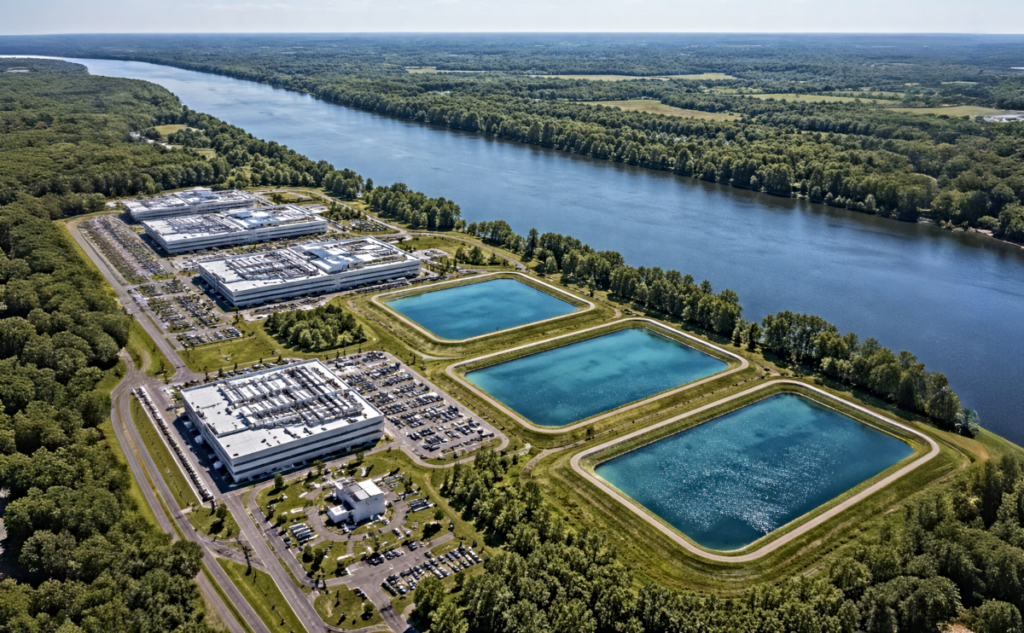
In the wake of growing frustration over secrecy surrounding a proposed Google data center in Scioto County, two Ohio lawmakers have introduced legislation that would make it illegal for certain elected officials to sign non-disclosure agreements (NDAs) tied to their public duties.
State Reps. Adam Bird and Brian Stewart announced the bill this week, saying it’s meant to restore transparency and rebuild public trust after communities across Ohio — including Scioto County — were left in the dark during negotiations with companies pursuing large data center projects.
The proposal comes just weeks after Scioto County Commissioners acknowledged signing NDAs related to Google’s potential development in Franklin Furnace, agreements that prevented them from publicly naming the company or discussing project details for months.
Those documents were later released following a public records request by the Scioto Valley Guardian.
What the bill would do
If passed, the legislation would prohibit:
- County commissioners
- Village mayors
- Township trustees
- Village council members
from knowingly entering into NDAs connected to their official duties.
In plain terms: elected leaders would no longer be allowed to sign contracts that prevent them from talking openly with the public about major projects.
Rep. Bird said the goal is simple.
“I believe strongly in a transparent government,” he said. “This bill underscores the importance of elected officials being open and honest with the people and community they are elected to serve.”
Rep. Stewart was even more blunt, pointing to his own experience as a former local official.
“The use of non-disclosure agreements by elected officials violates the spirit of Ohio’s open meetings and public records laws,” Stewart said. “Secrecy breeds distrust amongst taxpayers, which is detrimental to economic development efforts.”
Under the bill, officials who violate the prohibition could face civil fines of up to $1,000, with enforcement handled by the Ohio Attorney General’s Office.
The legislation has been introduced but has not yet received a bill number or committee assignment.
How this connects to Scioto County
The timing is no coincidence.
Scioto County became a flashpoint in Ohio’s data center debate after commissioners confirmed they had signed NDAs while negotiating a tax abatement tied to Google’s proposed data center campus.
Residents packed multiple meetings demanding answers about:
- Who the company was
- How much water the project might use
- Whether electric rates could rise
- What environmental safeguards would be in place
Commissioners repeatedly said the NDA limited what they could share — a stance that fueled public anger and accusations of backroom dealing.
Eventually, Google was revealed as the developer, but many residents say the damage was already done.
While NDAs are common in private business — often used to protect trade secrets or prevent competitors from gaining an advantage — critics argue that applying those same rules to elected officials crosses a line.
When public money, tax abatements, and infrastructure are involved, they say, secrecy undermines democracy.
A big loophole remains
Notably, the proposed legislation does not apply to:
- Economic development directors
- Port Authority board members
- Other unelected officials often deeply involved in negotiating major projects
That raises a new concern: elected officials could be legally barred from signing NDAs, while unelected administrators continue to do so — potentially leaving commissioners out of the loop until they’re asked to vote.
In other words, transparency for voters might improve, but transparency inside local government could become more complicated.
Still early — and unlikely to affect Google
It’s important to note:
- None of this legislation has passed.
- The bill is only being introduced.
- Even if approved, it would not retroactively apply to Scioto County’s Google agreements.
So, the proposed Google project — already approved for tax abatement — is unlikely to be impacted.
Still, the message is clear: lawmakers are responding directly to public backlash over how data center deals are being handled.
And while the bill may not change what’s already underway in Scioto County, it could signal to future developers that Ohio communities expect openness — not secrecy — when billion-dollar projects come calling.