
As football season continues across Ohio, discussions about athlete safety and fair competition are gaining attention beyond the playing field.
From high school football games in Southern Ohio to professional sporting events in Cleveland and Cincinnati, protecting athletes and maintaining public confidence in sports have become increasingly important priorities.
Recent controversies involving professional athletes, concerns about harassment, and changes to sports regulations have raised questions about how sporting organizations can better protect participants.
For local communities, where school athletics and regional competitions remain an important part of everyday life, these discussions carry significance beyond professional sports.
Athlete Protection Becomes a Growing Priority
Sports organizations across the country have faced increasing pressure to address the challenges athletes encounter both during competitions and away from the field.
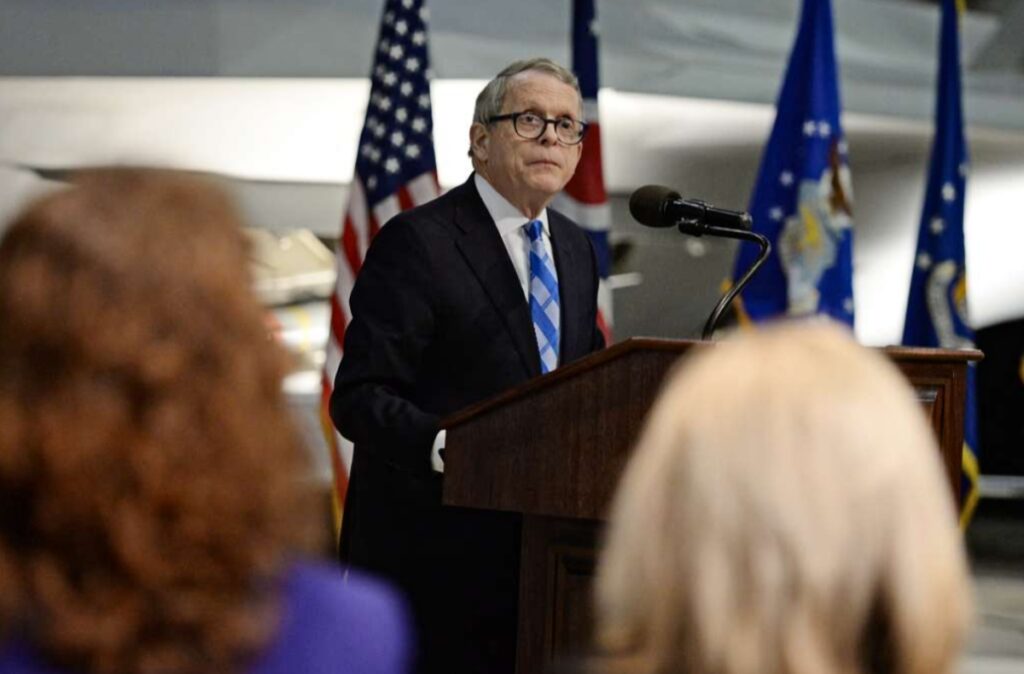
While injuries and physical safety have traditionally dominated discussions, attention has increasingly turned to harassment, financial pressures, and outside influences that could affect athletic performance. Ohio has been involved in several national conversations surrounding these issues. Governor Mike DeWine has repeatedly emphasized the importance of protecting athletes and maintaining the integrity of sporting competitions. His concerns intensified following investigations involving professional baseball players and allegations of attempts to manipulate specific moments during games.
Although these cases involve professional sports, they have contributed to a broader discussion about the responsibilities of leagues, regulators, and sporting organizations.
College Athletes Face Unique Challenges
College athletics remain particularly important throughout Ohio, with universities attracting passionate supporters and providing opportunities for young athletes. However, student-athletes can face pressures that differ significantly from those experienced by established professionals.
Social media has made it easier for fans to communicate directly with players, but it has also created opportunities for harassment and inappropriate behavior. In 2024, Ohio introduced restrictions on wagers involving individual college athletes following concerns about threats and harassment directed at players, including members of the University of Dayton basketball program.
The decision was intended to reduce external pressure on students and protect their well-being. It also highlighted how changes in the wider sports industry can affect athletes who are still balancing education, training, and competition.
For colleges and universities, providing a supportive environment remains essential to helping athletes succeed both academically and competitively.
How the Sports Experience Is Changing for Fans
The way Americans follow sports has changed considerably over the past decade.
Live streaming, mobile applications, social media, and real-time statistics have made sporting events more accessible than ever. Fans no longer depend exclusively on television broadcasts or newspaper reports to follow their favorite teams. Many now use digital platforms to access highlights, analyze performances, and participate in online discussions. The growth of digital sports services has also introduced new ways for audiences to interact with competitions.
For some adults, this includes researching sports wagering platforms, with questions such as what sportsbook is the best appearing in online comparisons. Resources such as OnlineSportsBetting.net cover these platforms, while Ohio’s regulatory authorities oversee licensed operators and consumer protections.
However, the broader transformation of sports extends well beyond online services. Technology has also changed how coaches evaluate performances, how athletes communicate with supporters, and how communities celebrate local sporting achievements. These developments create new opportunities but also reinforce the importance of responsible behavior and respect for competitors.
Why Fair Competition Matters to Local Communities
Across Scioto County and surrounding communities, school athletics continue to bring residents together throughout the year.
Football games, basketball tournaments, and other sporting events provide opportunities for families, students, and supporters to connect. For young athletes, participating in organized sports can help develop teamwork, discipline, resilience, and leadership skills. The value of these experiences depends partly on confidence that competitions are conducted fairly and that participants are treated with respect. When misconduct or outside interference affects sporting events, the consequences can extend beyond the individuals involved.
Trust between athletes, coaches, supporters, and sporting organizations can be damaged. That is why maintaining integrity remains a shared responsibility, whether a competition takes place in a professional stadium or on a local school field.
The Role of Coaches, Schools, and Families
Protecting athletes requires more than introducing rules at the professional level.
Coaches, teachers, parents, and sporting organizations all play important roles in creating positive environments for young competitors. Encouraging respectful behavior from spectators, addressing harassment, and ensuring athletes feel comfortable reporting concerns can help strengthen local sports programs. Schools can also educate students about the pressures associated with social media and public attention. For younger athletes, learning to manage criticism and maintain a healthy relationship with competition is an important part of their development.
At the community level, promoting sportsmanship and emphasizing personal growth can be just as valuable as celebrating victories.
Looking Ahead to the Future of Ohio Sports
As the fall sports season continues, athlete protection and fair competition are likely to remain important subjects for Ohio sporting organizations.
Professional leagues are reviewing safeguards, colleges are working to protect student-athletes, and communities continue to emphasize the importance of positive sporting experiences. New technologies and changing fan habits will create additional challenges, making cooperation between organizations, regulators, and supporters increasingly important. For Southern Ohio residents, the fundamental value of sports remains unchanged.
Whether supporting a local high school team, following Ohio State football, or watching the Cleveland Browns and Cincinnati Bengals, fans share an interest in competitions that are fair, enjoyable, and respectful of everyone involved. Protecting those values will remain essential as Ohio’s sporting landscape continues to evolve.