
You have a shipment of chemicals coming in, a seasonal product that needs long-term storage, or a food-grade liquid that requires a container compatible with its ingredients, storage conditions, and applicable regulations. The container you choose matters more than most people assume. Choosing the wrong container can lead to contamination, compliance issues, leakage, or premature damage. Plastic barrels solve a specific and common set of problems, and they do it consistently across a wide range of industries. Here’s a straightforward breakdown of what they are, where they work best, and what to evaluate before you buy.
What Are Plastic Barrels?
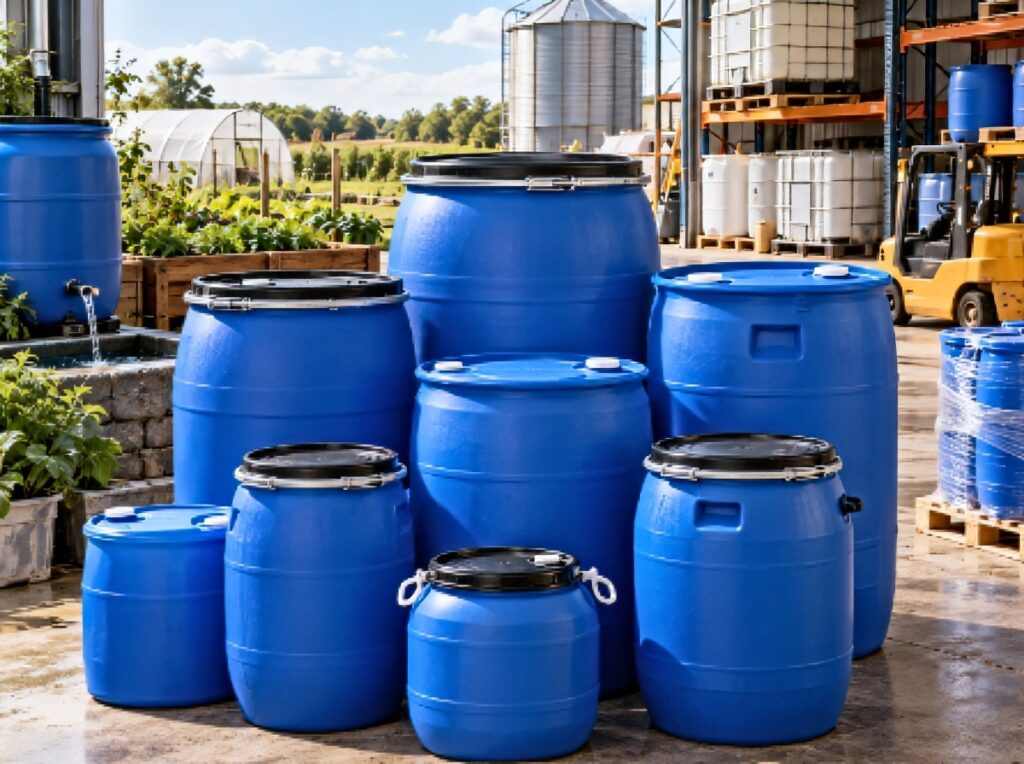
Plastic barrels are cylindrical storage containers manufactured primarily from high-density polyethylene (HDPE), a material known for its chemical resistance, durability, and relatively light weight compared to steel alternatives. Plastic drums and barrels are available in several capacities, from approximately 14 to 77 gallons; 55 gallons is one of the most common industrial sizes. They’re available in open-head and tight-head configurations.
If you’re sourcing durable plastic barrels for storage, it’s worth understanding which closure type your application actually requires before comparing prices.
Where Plastic Barrels Get Used
The range of industries that rely on plastic barrels is broad, which reflects how well the material adapts to different requirements. In food and beverage processing, some HDPE barrels may be suitable for food contact when the complete container complies with applicable FDA requirements and is approved for the intended use. Chemical manufacturers and distributors use plastic barrels for certain acids, solvents, and cleaning compounds, subject to chemical-compatibility and transport requirements. Agricultural operations may use plastic barrels for pesticides, fertilizers, and animal feed supplements, provided the barrel is compatible with the contents and suitable for the expected storage conditions.
Waste management and water storage are two additional use cases worth noting. Plastic barrels are commonly used in rainwater collection systems, portable water storage for remote job sites, and as secondary containment vessels. Their resistance to rust and corrosion can make them an alternative to steel in applications involving regular moisture exposure.
Benefits of Plastic Barrels
Compared to steel and other container materials, plastic barrels offer several practical advantages:
- Corrosion resistance: HDPE doesn’t rust or corrode, which makes plastic barrels a more durable option in wet or humid storage environments.
- Lighter weight: Plastic barrels weigh significantly less than steel equivalents, reducing handling strain and lowering shipping costs.
- Chemical compatibility: HDPE resists a wide range of chemicals, making plastic barrels suitable for many substances that would degrade or corrode a metal container.
- Lower cost: Plastic barrels are generally less expensive than comparable steel drums, both new and reconditioned.
- Easy to clean: Smooth interior walls make plastic barrels easier to rinse and inspect between uses, particularly for reconditioned stock.
Choosing the Right Size and Spec
The 55-gallon barrel is the default for most industrial buyers, but that default isn’t always right. If workers must move filled containers manually, a smaller barrel may be easier to handle; use appropriate lifting procedures and equipment to reduce handling risks. For operations that move larger volumes in fewer transfers, some buyers opt for intermediate bulk containers (IBCs) in 275 and 330 gallons, though they serve a different function and have different footprint requirements.
Beyond capacity, check UN certification ratings if you’re shipping hazardous materials. Barrels used in regulated transport need to meet specific performance standards for drop resistance, stacking load, and leak-proofing.
Color coding is another practical consideration. Many operations use blue for water, yellow for chemicals, and natural or white for food-grade contents, which simplifies visual identification on busy warehouse floors. However, barrel color is not a universal indicator of contents or regulatory suitability; always rely on labels and documentation.
New vs. Used Plastic Barrels
New plastic barrels guarantee a clean, uncontaminated surface and come with full manufacturer specifications, which matters when you’re storing food-grade or regulated materials. Reconditioned barrels, on the other hand, are cleaned and inspected to industry standards and typically sell at a significant discount.
For certain non-food and non-hazardous applications, reconditioned barrels may provide a cost-effective option, depending on their previous contents, condition, and reconditioning records. The tradeoff comes down to your tolerance for variability in prior contents and condition, so ask for reconditioning documentation before you commit.
Where to Source Plastic Barrels
Container Exchanger is an online marketplace for new and used industrial containers, including plastic barrels in various sizes and configurations. Buying through a marketplace lets you compare listings from multiple sellers, find regional inventory that reduces freight costs, and access quality used stock that would otherwise be hard to locate.
Whether you need a pallet of 55-gallon open-head barrels or a recurring supply of tight-head barrels, Container Exchanger can connect buyers with sellers and confirm availability, food-contact suitability, and seller-verification details for each listing.