
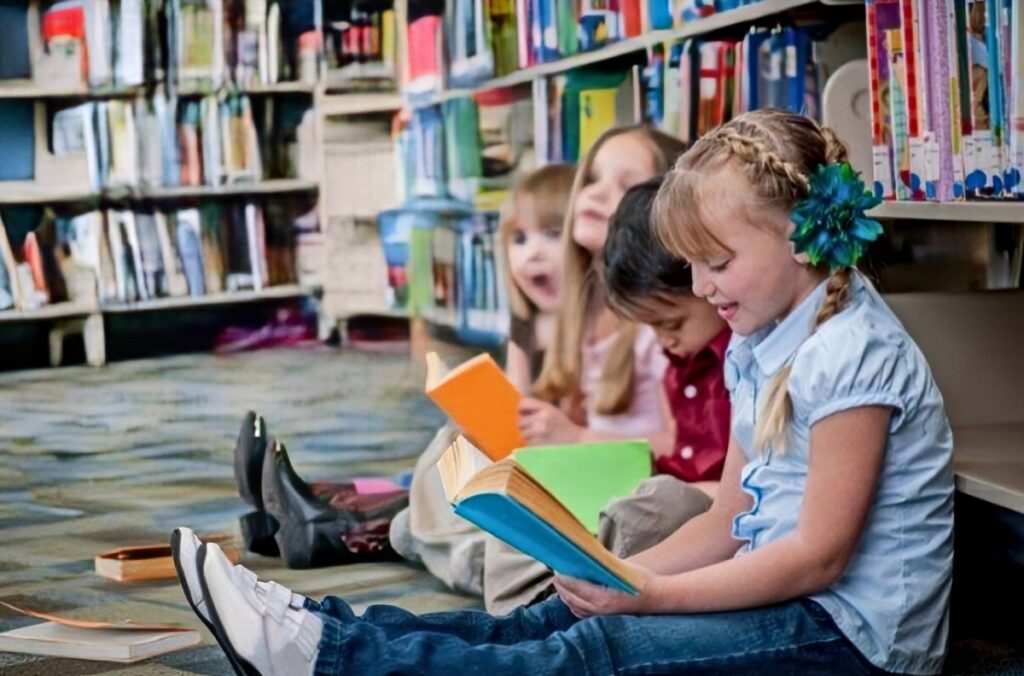
Raising curious, confident kids doesn’t happen by accident. It starts with everyday choices parents make, including the books they bring into their homes. Long before children learn about the world through social media, news headlines, or classrooms, they often meet big ideas through stories. The right books can spark questions, build understanding, and help kids feel more confident as they grow.
Educational books don’t need to feel like homework. When done well, they turn learning into an adventure. They help children explore how the world works, why people make different choices, and how ideas connect — all in a way that feels fun and engaging.
Choosing the right books matters more than many parents realize. A great book can open a door to curiosity that stays with a child for life.
Why Curiosity Matters More Than Ever
Curiosity is the foundation of learning. Curious kids don’t just memorize facts — they ask questions, look for answers, and think deeply about what they see around them. This kind of thinking helps children become confident problem-solvers and independent learners.
Books play a powerful role in developing curiosity because they introduce new ideas in a safe, approachable way. Through stories, kids can explore history, economics, science, and social topics without feeling overwhelmed. They learn that it’s okay to ask “why” and that not every question has a simple answer.
When children are encouraged to explore ideas through books, they begin to see learning as something exciting rather than something forced.
Choosing Books That Explain Big Ideas Simply
Not all educational books are created equal. The best ones take complex ideas and break them down into simple, easy-to-understand language. This is especially important for younger readers who are still building their confidence.
When choosing books, parents should look for stories that explain concepts step by step and use everyday examples. Books that rely on storytelling instead of lectures tend to stick with kids longer. Characters, adventures, and relatable situations help children connect emotionally with the ideas being presented.
If a book makes a child want to keep reading or ask questions afterward, that’s a good sign it’s doing its job.
Look For Stories That Encourage Thinking, Not Just Agreement
Great educational books don’t tell kids what to think — they show them how to think. Instead of pushing one rigid message, they encourage children to consider different perspectives and form their own opinions.
Books that ask questions, present challenges, or show characters making choices help children practice critical thinking. This builds confidence because kids learn that their thoughts and ideas matter.
Parents can support this by talking with their children about what they read. Simple questions like “What would you have done?” or “Why do you think that happened?” can turn reading into meaningful conversations.
Fun Always Comes First
If a book isn’t fun, most kids won’t stick with it. Educational value means very little if a child loses interest halfway through.
The best learning books use humor, colorful illustrations, and engaging stories to keep kids hooked. When learning feels enjoyable, children don’t even realize they’re absorbing important lessons.
Parents don’t need to choose between fun and education. Plenty of books successfully combine both, making it easy for kids to learn while being entertained.
Age-Appropriate Content Makes A Big Difference
A book that’s too advanced can frustrate a child, while one that’s too simple may bore them. Choosing age-appropriate books helps kids stay engaged and confident.
Parents should consider not only reading level but emotional maturity. Some topics may need to be introduced gently, using examples children can relate to. Books that grow with a child — offering deeper ideas as they get older — are especially valuable.
Letting kids help choose their books can also boost excitement and ownership. When children feel involved, they’re more likely to read and enjoy the experience.
Real-World Connections Help Ideas Stick
Books that connect stories to real-life situations help kids understand how ideas apply outside the page. Whether it’s learning about decision-making, responsibility, or how communities work, real-world connections make lessons more meaningful.
Educational storybooks often work best when they reflect situations kids might encounter at school, with friends, or in their families. These connections help children feel more prepared and confident as they navigate everyday life.
Some parents choose to mix fiction with light nonfiction to give kids a balanced understanding of the world.
Building Confidence Through Knowledge
Confidence grows when children understand what’s happening around them. Books that explain the world clearly help reduce confusion and fear, especially when kids hear about complex topics in the news or from others.
When children understand ideas like fairness, choices, and cause and effect, they feel more capable and secure. Knowledge gives them tools to make sense of the world rather than feeling overwhelmed by it.
Educational books can quietly empower kids by giving them information in a way that feels safe and supportive.
Encouraging Family Reading Time
Reading together as a family strengthens learning even more. Shared reading time creates space for discussion, laughter, and connection. It also shows children that learning is something adults value too.
Parents don’t need to have all the answers. Sometimes it’s enough to explore ideas together and say, “Let’s find out.” This models curiosity and shows kids that learning is a lifelong process.
Books that spark conversation tend to leave a lasting impression long after the last page is turned.
A Wide Range Of Perspectives Matters
Exposing kids to different ideas helps them understand that the world is diverse and complex. Educational books that explore various viewpoints encourage empathy and open-mindedness.
Rather than shielding kids from big ideas, thoughtful books help introduce them in age-appropriate ways. This prepares children to think independently and respectfully as they grow.
Parents who offer a variety of books give their children a stronger foundation for understanding others and themselves.
Where Parents Can Find Thoughtful Educational Books
Today’s parents have more options than ever when it comes to educational reading. Libraries, local bookstores, and online platforms offer books designed to teach real-world concepts through storytelling.
Some publishers focus specifically on helping kids explore big ideas in a fun, engaging way. For example, platforms like Tuttle Twins offer educational stories that introduce complex topics through simple narratives without overwhelming young readers.
The key is balance — choosing books that educate while still respecting a child’s need for play, imagination, and curiosity.
Helping Kids Grow One Book At A Time
The books children read today shape how they see the world tomorrow. By choosing stories that inspire curiosity, encourage thinking, and make learning enjoyable, parents give their kids a powerful gift.
Educational books don’t need to feel serious or heavy. When chosen thoughtfully, they can be fun, exciting, and deeply meaningful. One great book can spark a lifetime of curiosity — and that’s a story worth starting early.