
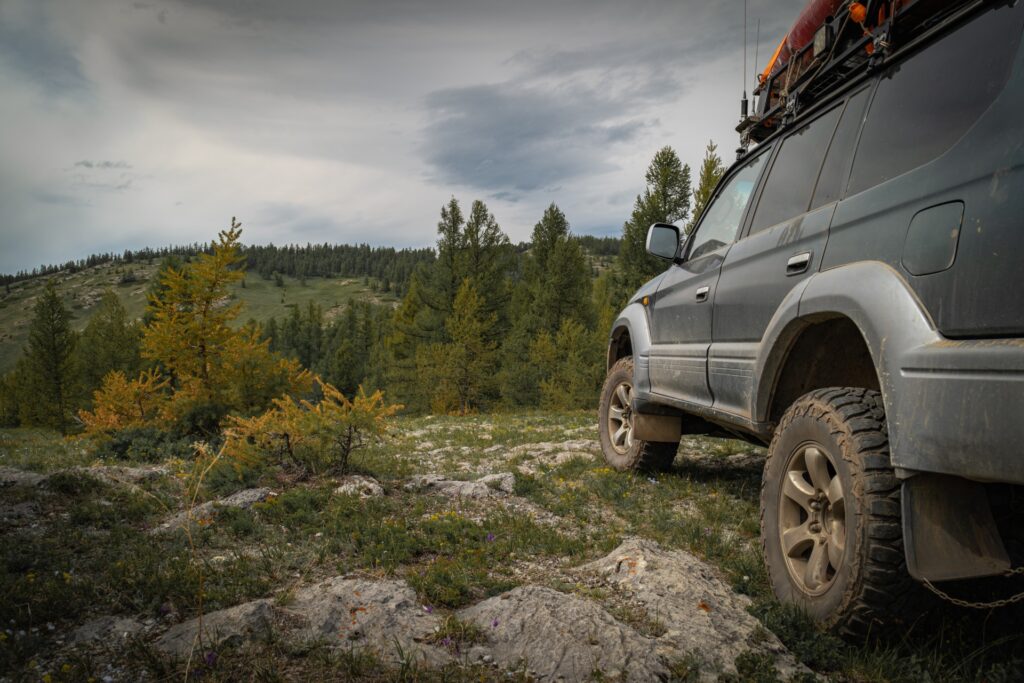
Overlanding has a way of making every new upgrade look irresistible. A taller suspension, beefier bumper, bigger tires, extra lights, or a slick drawer system all seem like must-haves when you’re planning your next adventure.
But every addition adds complexity to your ride and may not offer much value in rocky terrain. That’s where the overlander’s guide to avoiding an overbuilt vehicle comes into focus. You can focus on building for the journeys you really take, not the ones you dream up while scrolling through social media.
Start With Your Real Travel Style
Before you buy parts, look at your routes. Do you spend most weekends on gravel roads near home? Do you camp at established sites? Do you tackle rocky climbs or remote trails with no help nearby?
Your answers should shape your build. A light, reliable vehicle often travels farther than a heavy rig with every accessory attached. You don’t need expedition gear for a two-night trip near Portsmouth or the Shawnee State Forest. You need a vehicle that starts every time and carries your essentials.
Add Upgrades in the Right Order
It’s easy to get caught up in making your rig look impressive, but many overlanders end up regretting those heavy, flashy upgrades. Prioritize function over looks. Solid tires, dependable recovery gear, and trail protection will take you further than most showy add-ons.
And don’t forget: your suspension matters as much as anything else. If you drive a newer Bronco, research the best ways to lift your 6th-generation Bronco before making your final choice.
Focus on upgrades that solve real problems:
- Better all-terrain tires for traction
- Basic recovery gear for safety
- Skid plates for trail protection
- A modest lift for clearance
- A simple storage setup for camp gear
By taking this approach, you keep your rig practical and ready for real-world adventures, instead of ending up with a sluggish, overloaded project that’s more hassle than help. You’ll appreciate the difference every time you hit the trail and realize you have exactly what you need, and nothing weighing you down.
Watch Your Weight
Weight is the quiet culprit that chips away at your vehicle’s performance. Not only does it affect your fuel economy, but it also reduces braking power and makes steering more challenging. That rooftop tent might look awesome, but it raises your center of gravity and can make tricky trails even riskier. Steel bumpers are tough, but they come with a hefty price in pounds. Even packing extra water or spare fuel can quickly push your rig past its comfort zone.
Before bolting on any big upgrades, check your vehicle’s payload rating, and don’t forget to weigh your fully loaded rig before heading out on a long trip. It might not be the most exciting part of overlanding, but it’s the best way to protect your suspension and brakes from unnecessary wear. Plus, a lighter vehicle feels more agile when you’re weaving through tight backroads or navigating muddy trails.
Test Before You Commit
Before you splurge on more gear, take a few short trips close to home. Load up your vehicle with what you already own and hit a nearby route. After each outing, pay attention to what bothered you.
Was your cooler sliding around? Did your lights get the job done, but your sleeping setup leaves you tossing and turning? Maybe what you really needed was a better tire pressure gauge, not another fancy exterior accessory.
Nothing tells the truth like real-world experience. You’ll quickly see which gear you use and what slows you down. Let those lessons guide your next upgrades.
A good overland vehicle should feel capable and dependable. To enjoy the trail, you need the right upgrades for your route and your budget. Test each change before hitting the trails, and let this guide to avoiding an overbuilt vehicle remind you that less gear can lead to better adventures.