
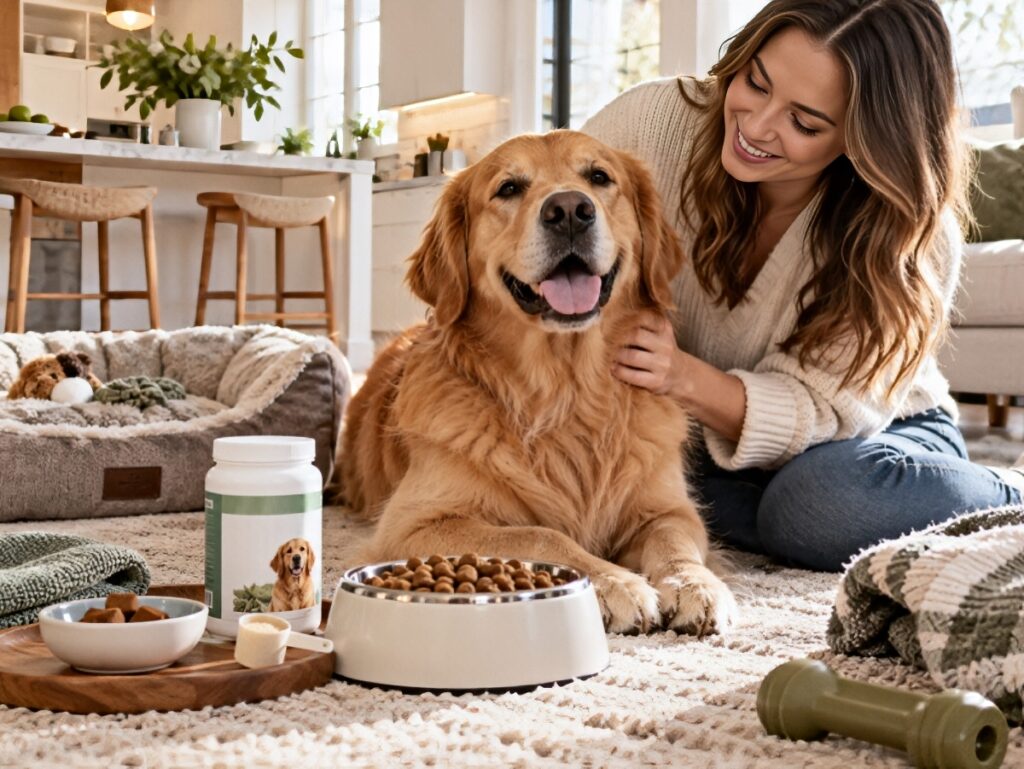
Forty years ago, the family dog got table scraps and a pat on the head. Today, that same dog has a joint supplement routine, a grain-free diet, and a dedicated wellness budget that rivals some people’s gym memberships. That is not an exaggeration. It is Tuesday morning at millions of American households.
The pet industry is not just growing. It is being fundamentally rewritten by one idea: pets are family. That shift in thinking has moved consumer spending from purely functional products toward something that looks a lot more like human healthcare and wellness. Understanding why this is happening, and where it is going, tells you a great deal about where the entire market is headed.
The Numbers Behind the Shift
In 2025, 94 million U.S. households own a pet, up from 82 million in 2023, according to the American Pet Products Association’s National Pet Owners Survey. That kind of growth in a two-year window is extraordinary. But the more telling number is not how many pets exist. It is how much their owners are willing to spend on them.
The pet supplements market is witnessing strong growth as pet ownership increases and pets are increasingly treated as integral members of the family, with this “pet humanization” trend fundamentally changing purchasing behavior, as pet parents prioritize preventive healthcare, long-term wellness, and quality of life for their animals. Supplements are no longer a niche indulgence. They are viewed as part of routine pet care, particularly for managing nutrition gaps, age-related conditions, and behavioral health concerns.
Spend a few minutes on PetfoodIndustry.com’s 2025 APPA ownership data, and the generational angle becomes impossible to ignore. Millennials make up the largest share of pet owners at 30%, followed by Gen X and Baby Boomers at 25% each, and Gen Z at 20%. These are not buyers trained on “pet as property.” They grew up treating their animals as companions with real emotional needs, and that shapes every dollar they spend.
What Pet Humanization Actually Looks Like in Practice
Conceptually, “humanization” sounds like a soft marketing term. Practically, it means something very specific: owners are applying the same logic to pet purchases that they apply to their own wellness routines. They read ingredient labels. They research sourcing. They prefer natural and functional products over synthetic ones. And they increasingly expect the same standard of transparency from a pet brand that they’d demand from a supplement they take themselves.
Take a typical Gen Z pet owner scenario. She has a four-year-old rescue Lab mix named Clover. Clover is healthy, but anxious during storms. Rather than reaching immediately for a prescription option, this owner spends two evenings researching plant-based calming alternatives. She reads product reviews, checks certificate of analysis pages on brand websites, and compares hemp sourcing methods. She is doing exactly what she’d do before buying a new vitamin for herself. This is not an outlier profile. This is the majority behavior driving product development across the entire pet wellness category.
A survey of 2,181 pet owners found that 43.6% prioritize the health of their pet’s foods over their own. That number alone should settle any debate about whether this trend is real or marginal.
The Four Pillars of Pet Humanization Spending
Not all spending driven by pet humanization looks the same. After mapping where consumer dollars are actually going, four distinct product and service categories consistently rise to the top. Call this the Pet Humanization Spending Framework:
- Functional nutrition: Premium and natural pet food, including fresh, frozen, and raw diets that mirror the ingredients owners would want for themselves.
- Preventive supplements: Joint support, probiotics, omega-3s, and calming aids taken proactively, before a problem develops, not in response to one.
- Plant-based wellness products: Hemp-derived options like CBD oil for pets, which has grown into its own fast-moving category as owners look for natural approaches to everyday issues like discomfort and anxiety.
- Experiential care: Grooming, boarding, training, and veterinary services treated as quality-of-life investments rather than grudging necessities.
Every single one of these pillars is growing. The pet wellness ecosystem mirrors the human wellness economy from about a decade ago: fragmented, rapidly professionalizing, and highly responsive to transparency and quality signals from brands.
Why the Wellness Crossover Is Not Going Anywhere
The emotional data makes this even clearer. According to a Circana study, 74% of people who have a dog or cat said that their pet contributes to their overall mental health. Circana finds that humanization, treating a companion animal like a human family member, is a direct driver of pet wellness spending. When you believe your pet genuinely improves your wellbeing, spending on their health stops feeling like a luxury. It starts feeling like reciprocity.
“Products aimed at improving animals’ well-being have moved beyond a niche into an expansive, continually evolving part of the overall pet business,” notes Circana’s April 2026 pet wellness analysis.
That evolution is visible on store shelves and in purchasing data. Supplements and preventive solutions have fueled growth in the pet wellness market, with two of the three top product launches for the 52-week period ending March 2026 being supplements. The category is not slowing down. It is accelerating because the underlying driver, deep emotional investment in animals, is not a passing phase.
Grand View Research estimates the global CBD pet market alone was valued at $331 million in 2024 and is projected to reach nearly $3.9 billion by 2033, growing at a compound annual rate of 32.69%. That is a remarkable trajectory for a single product subcategory, and it reflects exactly what pet humanization produces at scale: owners seeking options that feel both natural and purposeful, sourced from a rapidly formalizing research-backed market segment.
What Brands That Win This Market Have in Common
The brands that are capturing the most loyalty in the pet wellness space share three traits. First, they are radically transparent about sourcing and testing. Pet parents who read their own supplement labels will absolutely read their pet’s. Third-party lab reports, batch-level certificates of analysis, and verifiable ingredient sourcing are no longer differentiators. They are table stakes.
Second, the best brands build around a specific pet’s needs rather than one-size-fits-all formulas. Dogs, cats, and horses each process supplements differently. Dosing logic matters. Weight-based guidance, species-specific formulations, and honest communication about what a product can and cannot do build long-term trust faster than any ad campaign.
Third, they understand that today’s pet parent is doing real research. Your product is being compared to three others on a Tuesday night, with a phone in one hand and a skeptical browser history in the other. Brands that survive that comparison are the ones who earned it with verifiable quality, not just good packaging.
The Smart Move for Pet Parents Navigating This Market
If you are a pet owner trying to build a thoughtful wellness routine for your animal, the category breadth can feel overwhelming. Here is a practical approach that cuts through the noise:
- Start with one condition or goal, not the whole supplement aisle. Joint support, digestion, or calm behavior each has its own product logic.
- Prioritize brands that publish third-party lab results. Any company worth your trust will show you the data.
- Use weight-based dosing guides. Underdosing accomplishes nothing. Overdosing creates waste at best and problems at worst.
- Give any new supplement a consistent 30-day trial before drawing conclusions. Your pet cannot tell you how they feel in week one.
- Talk to your vet. Not to get permission, but to rule out contraindications with any existing medications or conditions.
The pet wellness market is giving owners more options than ever before. The brands earning long-term loyalty are the ones who respect that the person buying their product is informed, emotionally invested, and not going to settle for less than they’d expect for themselves. That is the real story behind pet humanization. The market grew because pet owners grew. And they are not going back.