
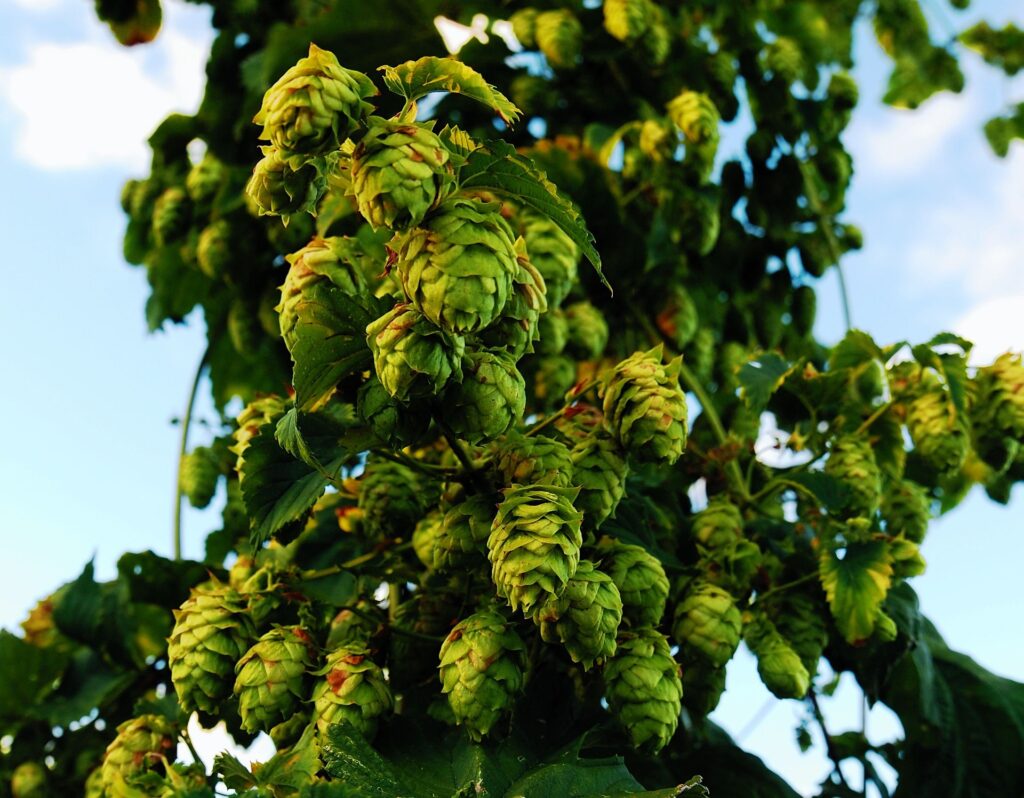
Few debates in craft brewing circles have lasted as long, or generated as much strong feeling, as the one between West Coast and East Coast IPAs. These are not just two different styles. They represent two fundamentally different philosophies about what a great IPA should be. And in Austin, a city with a brewing scene big and opinionated enough to have a real stake in the argument, the answer turns out to be more nuanced than most people expect.
Two Philosophies, One Glass
The West Coast IPA is the older of the two in the modern craft era. It emerged from California and the Pacific Northwest in the 1990s and early 2000s, built around aggressive bitterness, a dry finish, and a clear golden appearance. Hops are the star. They show up sharp, resinous, and often piney or citrusy, with bitterness doing the heavy lifting from start to finish.
The malt is intentionally restrained. Nothing is there to soften the impact, and that austerity is very much the point.
East Coast IPAs, more commonly called New England IPAs or hazy IPAs, arrived as a serious national movement around 2015 and 2016, though the style had been developing in Vermont and Massachusetts for years before that. These beers are soft, juicy, and low in perceived bitterness. Dry hopping at high rates with newer hop varieties produces flavors that read more like mango, peach, and passionfruit than pine resin.
It Comes Down to Process
Much of what separates these two styles lies in process rather than in ingredients alone. West Coast IPAs typically use clean-fermenting yeast strains that produce a neutral base, which allows hops to define the character. East Coast brewers often use strains that contribute fruity esters, and water chemistry is adjusted to be low in sulfates and high in chlorides, which softens bitterness and amplifies the drink’s body.
The result is a beer that feels almost pillowy in texture. A West Coast purist might call it unfinished. A hazy fan considers it the entire point.
Austin Has Skin in the Game
Austin has never been a city that takes the easy road when it comes to taste. The local brewing scene came of age during a period when both styles were competing hard for shelf space and tap handles across the country, which means most Austin brewers have had to form an actual opinion rather than default to regional tradition.
The data from Untappd consistently shows hazy IPAs dominating in check-ins and ratings among Austin drinkers. Releases tagged as hazy or New England style tend to move faster and generate more social media activity than their West Coast counterparts, particularly among drinkers under 35. In a market as trend-sensitive as Austin, that data carries real weight — not unlike checking an online sportsbook before placing a bet, where the numbers reflect collective preference even when individual opinions differ sharply.
What Local Brewers Are Actually Pouring
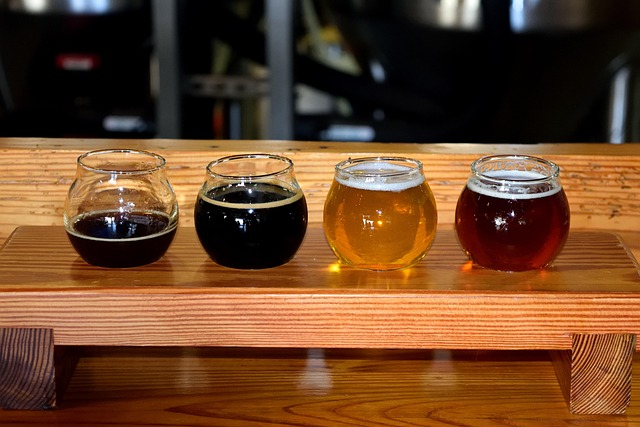

Austin Beerworks built its reputation on clean, precise beer and has long leaned toward the West Coast end of the spectrum, though its lineup has expanded in response to demand for hazy styles. Meanwhile Brewing Co. has cultivated a strong following on hop-forward releases, as it puts out both styles depending on the season and the collaboration. Jester King operates in its own lane with farmhouse and wild ales, but the hop restraint across its lineup reflects a sensibility closer to West Coast thinking.
What stands out across the broader Austin scene is how many breweries are releasing both styles rather than planting a flag. The East West Beer Fest, organized by Craft Beer Austin in 2025, put this tension on full display and invited local breweries to pour representatives of each style side by side. The event drew enough interest to confirm that Austin drinkers are genuinely curious about the distinction rather than committed to either side.
The Tide May Be Turning
There are signs that the hazy wave, while still dominant, is beginning to plateau nationally. Some industry observers have noted a renewed appreciation for the clarity, dryness, and precision of a well-executed West Coast IPA, particularly as drinkers who came up on hazy beers start seeking something more structured. A clean, bitter, crystal-clear West Coast IPA is genuinely hard to brew well, and that challenge is starting to appeal to brewers.
In Austin, a handful of breweries have responded by investing more attention in their West Coast offerings and are now treating the style not as a throwback but as a craft challenge worth taking seriously.
The hazy is not going anywhere, though. But the conversation has shifted from which style is winning to which style a brewer chooses and why, and that is a far more interesting question.