
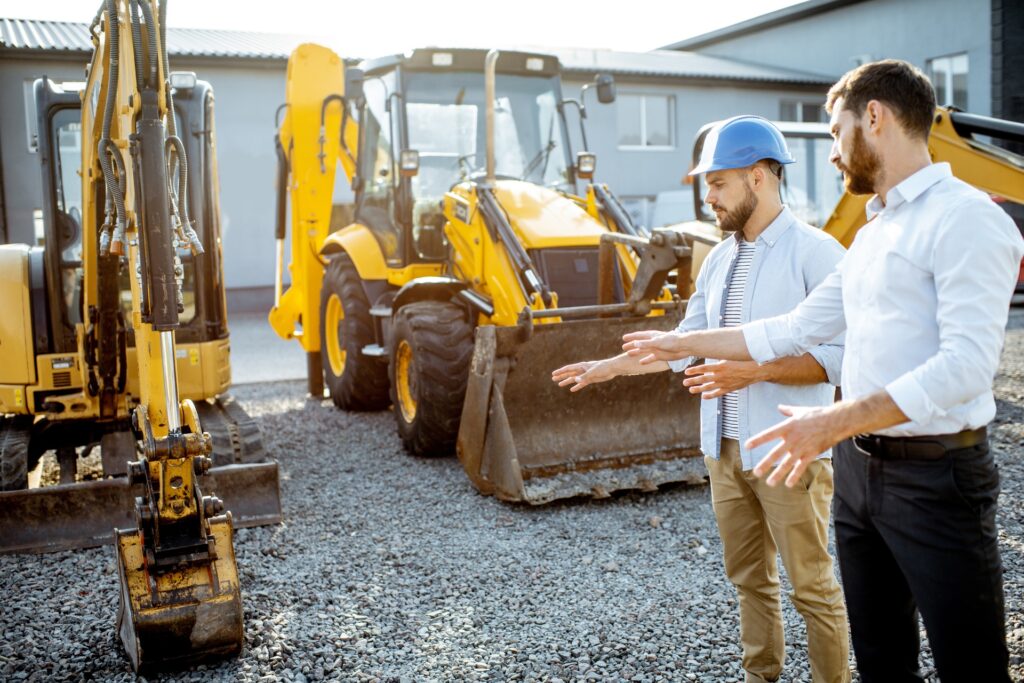
For contractors, buying equipment is more than a major expense—it’s an investment that can affect productivity, safety, and profitability for years. Whether purchasing a new machine, upgrading attachments, or replacing aging equipment, taking a thoughtful approach can help avoid costly mistakes. Here’s what contractors should look for when purchasing equipment.
Prioritize Jobsite Needs
Before comparing brands or prices, identify the tasks the equipment will perform most often. A machine that excels in one environment may be less effective in another, so consider factors such as terrain, project size, operating hours, and the materials being handled. Purchasing equipment with features that match actual jobsite demands can improve efficiency and reduce unnecessary wear.
Look Beyond the Purchase Price
The lowest upfront cost doesn’t always mean the best value for equipment. Contractors should evaluate total ownership costs, including:
- Routine maintenance
- Fuel consumption
- Replacement parts
- Downtime risks
- Expected service life
This means a slightly more expensive machine that requires fewer repairs may save significantly more money over time.
Evaluate Durability and Build Quality
Equipment often operates in challenging conditions. This means strong construction, quality materials, and reliable components can make a meaningful difference in long-term performance. When evaluating attachments and accessories, durable skid steer attachments and heavy-duty attachments for other machines can help contractors better maintain equipment longevity and reduce maintenance needs.
Consider Operator Safety and Comfort
Productivity depends on the people using the equipment. Features such as ergonomic controls, clear visibility, and modern safety systems can improve operator performance while reducing fatigue. Less operator stress can also contribute to better decision-making throughout the workday, especially on demanding projects.
Check Service and Parts Availability
Even the most reliable equipment will eventually require repairs. Before purchasing any machines, research local and national support networks, parts availability, and warranty coverage. Fast access to service can minimize downtime and keep projects moving on schedule.
Think Long Term
Knowing what contractors should look for when purchasing equipment means focusing on future needs as well as current projects. Contractors who anticipate growth, changing project requirements, or expanding service offerings benefit from equipment that offers flexibility and compatibility with multiple attachments. Making a careful purchasing decision today can improve efficiency, control costs, and support business success for years to come.