
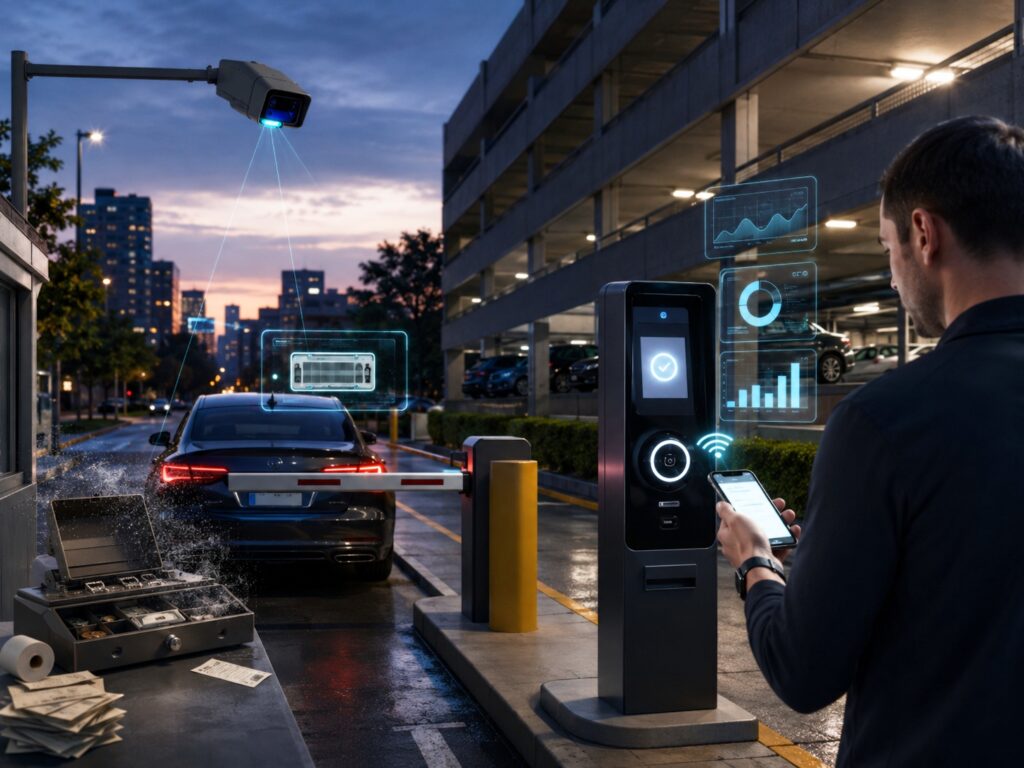
Parking management operations often lose value through habits that seem harmless because they have been there for years. Cash drawers, fixed signs, paper slips, and windshield checks all create weak records. Modern software replaces those routines with payment data, plate history, live pricing, and clearer controls. Drivers see fewer delays, while managers see where revenue, access, and compliance break down before small gaps become expensive.
Cash Collection
Cash requires counting, depositing checks, shift notes, and trust in every handoff. A cloud-based parking system management platform moves those steps into traceable payment records, using text links, scan codes, card entries, and time-stamped receipts. That change gives operators a cleaner audit path, less booth dependency, and quicker answers when totals do not match expectations.
Flat Daily Rates
One posted fee rarely fits a full week. Office traffic, evening dining, weekend shopping, and nearby events all affect demand in different ways. Rate tools can be adjusted by hour, date, occupancy, or permit class. Static boards then become less necessary. Better pricing discipline helps busy periods reach fair value, while slower windows stay accessible for drivers who still need a space.
Kiosks and Aging Hardware
Pay stations look familiar, but they carry hidden upkeep. Paper jams, damaged screens, weak connections, and weather exposure can interrupt revenue at the worst time. Mobile payment paths reduce that burden. Signs, scan codes, and text prompts become the entry point. A lot can be collected without placing expensive machines at every lane, corner, or pedestrian route.
Paper Permits
Printed permits create avoidable uncertainty. Hangtags fall, stickers fade, and copied passes can circulate long after approval ends. Plate-based records give staff a stronger reference point. Tenants, employees, residents, and guests can be tied to registered vehicles instead of loose plastic. Enforcement then begins with current authorization data, reducing windshield checks that rely on angle, lighting, or guesswork.
Manual Enforcement
Row-by-row checks with clipboards make consistent enforcement hard. A missed vehicle may reduce revenue, while thin documentation can weaken later disputes. Camera support, session matching, and expiration alerts create a more defensible record. Staff can confirm the status before issuing a notice, a boot request, or a tow order. That matters for both income protection and fair treatment of drivers.
End-of-Day Reports
Delayed reports can restrict timely action. By the time spreadsheet totals or vendor exports arrive, the best correction window may have passed. Live dashboards replace that lag with current views of payments, occupancy, permits, violations, and rate performance. Managers can spot soft collection areas, compare periods, and adjust rules while patterns are still forming. Data becomes useful during the shift, not after it.
Vendor Dependency
Older parking tools often leave routine changes in someone else’s queue. A rate change, permit update, or report request may require a support ticket. Modern controls place daily administration closer to the people responsible for results. Authorized users can adjust rules, review activity, and prepare for busy periods from one system. Outside help remains useful, but basic action should not wait.
Event-Day Guesswork
Large gatherings quickly expose weak operating habits. Staff may wave vehicles through, change prices on a whim, or collect cash without sufficient documentation. Software supports presales, timed pricing, validations, occupancy checks, and post-event review. Those features turn one-time improvisation into repeatable planning. Each event then leaves a record that helps improve the next schedule, staffing plan, and price structure.
Scattered Tools
Separate tools create blind spots. Payments sit in one place, permits in another, and enforcement records somewhere else. Teams spend time reconciling files rather than addressing problems. A unified operating view connects transactions, plate checks, pricing, access rights, and performance data. Ownership can then ask direct questions about revenue per space, unpaid use, peak demand, and compliance without waiting for manual matching.
Conclusion
Modern parking software replaces more than equipment. It removes fragile routines, incomplete records, fixed pricing assumptions, and labor that does not improve control. Managing parking lots becomes easier when payment, access, enforcement, and reporting share a single reliable source. Drivers get clearer choices, while operators gain faster feedback from existing spaces. For owners, managers, cities, and venues, parking becomes a measurable asset rather than an overlooked task.