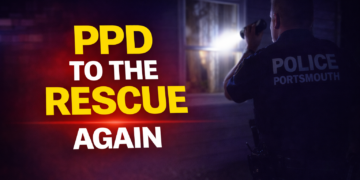
It started with a chilling sound — a 911 hang-up call just before 9 p.m. on 20th Street. Dispatchers heard a baby crying, frantic words in Spanish, and then — silence. Moments later, another call came in: a report of a knife fight at a Hispanic household.
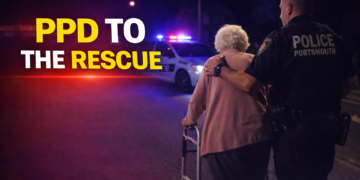
Officers raced to the scene and quickly detained four people, fearing the worst. An ambulance was called, and backup rushed to help — but there was a serious problem: No one could clearly understand what had happened.
With no Spanish-speaking officers immediately available, police and medics scrambled to stabilize the situation while waiting for a translator to arrive. When the dust finally settled, it appeared there were no serious injuries — and no arrests were made.
A Near Miss — And a Wake-Up Call
This chaotic scene could have ended very differently. Officers trying to piece together bits of broken communication while lives may be at stake is a recipe for disaster.
Language barriers can turn an already dangerous situation into a deadly one — delaying medical help, escalating tensions, and creating misunderstandings between police and the community.
So what can be done?
- More bilingual officers: Recruiting and training Spanish-speaking officers is crucial.
- Real-time translation tools: High-tech solutions like emergency interpreter services can bridge the gap instantly.
- Community outreach: Building trust with non-English speaking residents can make emergency calls clearer and faster to handle.
Bottom line: When every second counts, words matter — no matter what language they’re spoken in. Portsmouth got lucky this time, but the next call might not have a happy ending unless we close the communication gap.