
































































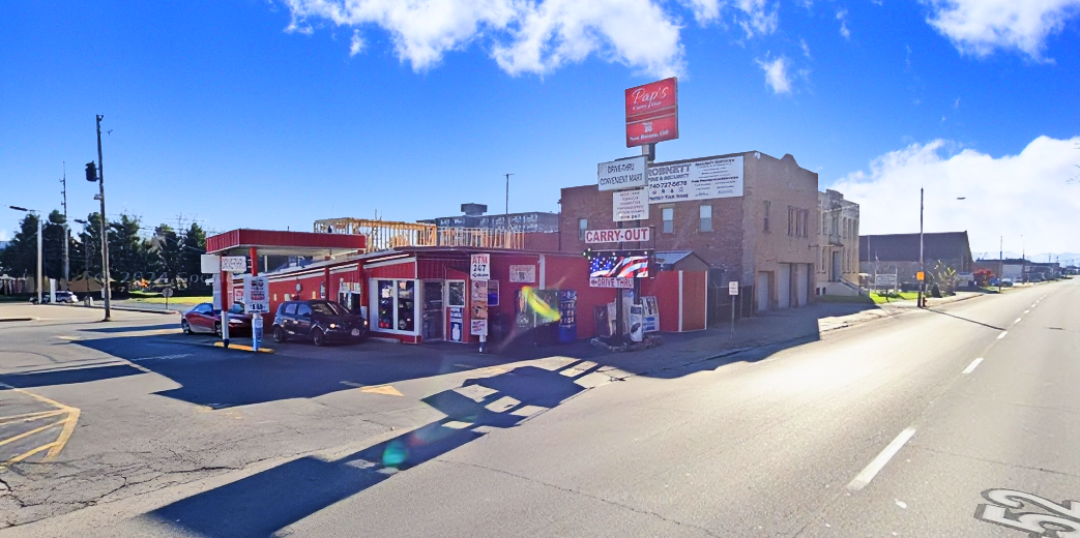
It was a chaotic scene near Pap’s Carryout when New Boston Police called in Portsmouth officers for backup in a foot chase down Gallia Street.
The suspect — described as a 5’5” woman in a light-colored sweatshirt and leggings, blonde hair, and with handcuffs already behind her back — managed to slip away during the pursuit. It’s unclear whether officers eventually caught her. No one matching that description was booked into the Scioto County Jail, which could mean she was apprehended and later released, or that she may have been a juvenile whose records aren’t public.
Why Do Suspects Flee?
Criminal justice experts say suspects often bolt when adrenaline spikes, especially if they’re facing serious charges. Being partially restrained — like this woman in handcuffs — doesn’t always stop someone determined to run.
Strategies to Prevent Escapes
Police training manuals and experts highlight a few key approaches officers can use to reduce the risk of suspects fleeing:
- Secure transport quickly: Moving suspects into cruisers rather than leaving them on foot can cut down opportunities to escape.
- Double-check restraints: Ensuring cuffs are properly fastened, with hands fully secured, makes it harder to wriggle free or sprint.
- Maintain situational awareness: Officers are trained to watch body language and positioning that might signal a suspect is about to make a break for it.
- Use layered response: Having more than one officer on hand during transport and detention creates backup if someone tries to flee.
In this case, despite restraints and multiple agencies involved, the suspect still managed to run. Whether she slipped away entirely or was quietly returned to custody remains a mystery.