

















































Just after 9:30 p.m., Portsmouth police were called to Kroger once again—this time for a familiar face. Employees reported that a man who had previously stolen from the store was back, loitering near the property. But when officers arrived, what they found wasn’t just a shoplifter—it was a symptom of a much bigger problem.
The man told police he had just been kicked out of a local rehab facility and had nowhere else to go. He was now homeless, wandering the streets, and sleeping wherever he could. Officers barred him from Kroger property and sent him on his way. No charges were filed.
Unfortunately, this isn’t an isolated incident.
Last year, two Michigan residents who came to Portsmouth for treatment ended up setting a fire behind Bob Floyd Tire Sales after being expelled from both a rehab facility and a local shelter. A concerned citizen spotted smoke around 6:40 a.m., prompting a police response. Officers said the two were familiar faces and advised them to put out the blaze before anything worse happened.
And in even more troubling reports, clients of Kentucky-based rehabs have allegedly been driven across the bridge and dumped at Portsmouth’s Kroger with nowhere to go. No plan. No housing. No help.
🚨 A Growing Crisis
Local leaders say these cases highlight a troubling pattern. Many of the people seeking help for addiction are discharged with no follow-up plan, contributing to Portsmouth’s surging homeless population. There are now nine known homeless camps in the city.
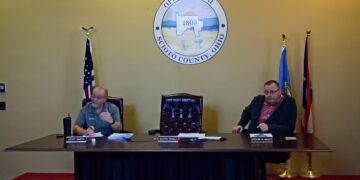
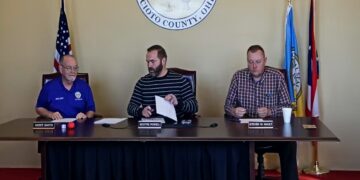
Scioto County Commissioner Scottie Powell has sounded the alarm for months. He points to the explosive growth in unregulated recovery housing—Scioto County now has more such facilities than Franklin County, which includes Columbus and has over ten times the population.
🏚️ When Help Becomes Harm
The problem, officials say, isn’t people seeking recovery—it’s the lack of oversight and the absence of wraparound support after they’re discharged. Whether they leave voluntarily, are expelled for rule violations, or simply finish treatment with nowhere to go, many are left on the streets, contributing to public safety concerns, mental health crises, and growing encampments.
💡 What Can Be Done?
- State Reform: Lawmakers like Rep. Justin Pizzulli have introduced legislation aimed at regulating recovery housing and requiring better discharge planning.
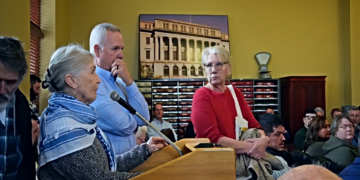
- Public Pressure: Concerned citizens are encouraged to report mismanaged homes to Ohio Recovery Housing at rhoads.orh.ai/complaint or by calling 614-453-5133.
- Community Support: Support local shelters, housing services, and mental health outreach groups who help pick up the pieces.
Portsmouth’s residents and officials are tired of being a dumping ground for Ohio’s rehab crisis. Until there’s better regulation and accountability, the city’s streets will continue to be the last stop for people who thought they were on the road to recovery.