
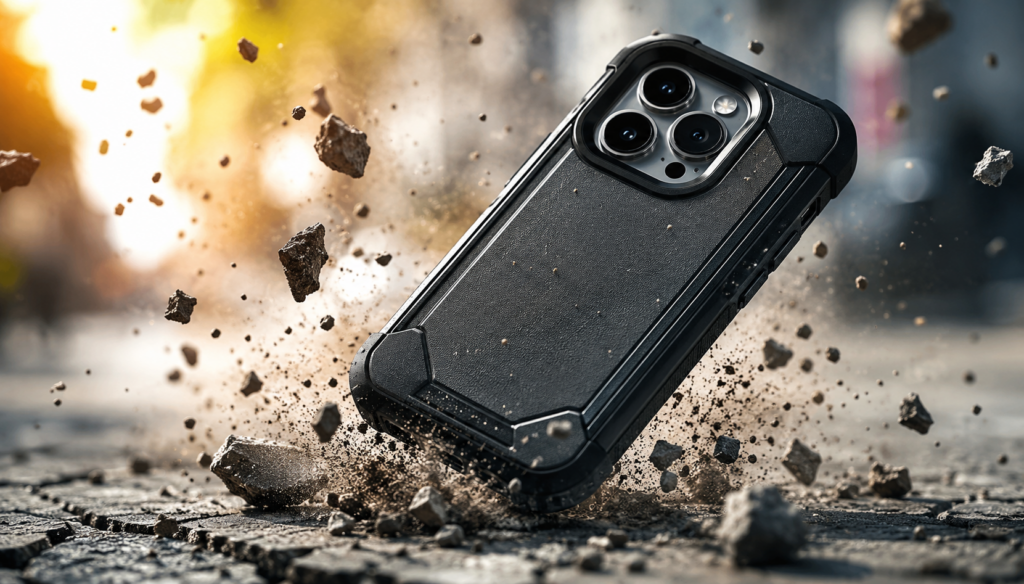
Your smartphone is one of your most valuable possessions. Whether you’re using it to stay connected with family, manage your work, or capture important moments, the device plays a central role in your daily life. Yet many people treat their phones carelessly, exposing them to unnecessary risks. A simple fall from waist height can crack a screen, and everyday wear and tear can damage the device’s exterior. This is where a quality phone case becomes essential, not just as an accessory but as a practical investment in your phone’s longevity.
The market for phone protection has grown significantly over the past decade, with options ranging from slim, minimalist designs to heavy-duty protective cases. Whether you’re looking for something stylish or purely functional, understanding the different types of cases available can help you make an informed choice. When shopping for protection, you might consider options like an iPhone 16 case or explore other brands that align with your personal style and protection needs. The key is finding a case that balances protection, durability, and aesthetics in a way that works for your lifestyle.
Understanding Phone Case Types
Not all phone cases are created equal. The market offers several distinct categories; each designed with different priorities in mind. Slim cases prioritize style and portability, adding minimal bulk to your device while offering basic scratch and drop protection. These are ideal if you prefer a sleek profile and don’t frequently drop your phone. Ultra-protective cases, on the other hand, feature reinforced corners, raised bezels, and shock-absorbing materials designed to withstand significant impacts. These cases are thicker and heavier but provide maximum protection for those who work in demanding environments or have a history of phone mishaps.
Clear cases have gained popularity in recent years, allowing you to showcase your phone’s original design while still providing protection. However, clear cases can yellow over time due to exposure to sunlight, heat, and natural oils from your skin. To extend the life of a clear case, store your phone away from direct sunlight when not in use and avoid leaving it in hot cars. Wallet cases and hybrid designs combine phone protection with card storage or additional functionality, making them practical for people who prefer to carry less. Each type serves a specific purpose, and your choice should reflect your actual usage patterns rather than trends alone.
The Real Cost of Phone Damage
A cracked screen or damaged phone body isn’t just an aesthetic problem. Repair costs can be substantial, often ranging from several hundred to over a thousand dollars depending on the damage and your phone model. Even minor cracks can worsen over time, eventually compromising the device’s functionality. Water damage, another common issue, can render a phone completely unusable and is rarely covered by standard warranties. When you consider the cost of repairs against the relatively modest investment in a quality case, protection becomes a financial no-brainer.
Beyond repair costs, phone damage can disrupt your life in unexpected ways. If your device stops working, you lose access to important contacts, photos, and information. For professionals who rely on their phones for work, even a few hours without a functioning device can mean lost productivity and missed opportunities. Students depend on their phones for communication and access to educational resources. Parents use them to stay connected with their children. A damaged phone affects everyone differently, but the impact is rarely positive. Prevention through proper protection is far simpler than dealing with the consequences of damage.
Choosing Protection That Fits Your Lifestyle
The best phone case is one you’ll actually use consistently. If you hate the way a case feels in your hand or think it looks unattractive, you’re more likely to remove it or leave it at home. This means personal preference plays a legitimate role in your decision. Some people prioritize aesthetics and are willing to accept slightly less protection in exchange for a case they enjoy carrying. Others work in construction or outdoor environments where maximum protection is non-negotiable, regardless of appearance.
Consider your daily activities when evaluating protection needs. If you spend most of your time in an office environment, a slim or mid-range protective case is probably sufficient. If you work outdoors, travel frequently, or have a track record of dropping your phone, investing in a more robust protective case makes sense. Parents of young children might want extra protection since phones often end up in unpredictable situations. Athletes and fitness enthusiasts should look for cases with secure grips and sweat resistance. Your lifestyle should directly inform your protection strategy.
Maintenance and Longevity
A quality phone case requires minimal maintenance but benefits from occasional attention. Dust and debris can accumulate inside the case, potentially scratching your phone’s surface. Every few weeks, remove your phone from the case and gently wipe both the case interior and your phone’s exterior with a soft, dry cloth. If your case is visibly dirty, you can wash it with mild soap and warm water, then dry it completely before reinserting your phone.
Over time, even the best cases will show signs of wear. The protective materials may become less responsive, colors can fade, or the case might develop small cracks. This is normal and expected. Rather than viewing case replacement as a burden, consider it an opportunity to refresh your phone’s appearance or adjust your protection level based on your current needs. Regularly assessing your case’s condition ensures your phone remains adequately protected throughout its lifespan.
Making Your Decision
Selecting a phone case shouldn’t be complicated. Start by honestly assessing your needs. How often do you drop your phone? What environments do you typically use it in? How important is appearance compared to protection? Once you’ve answered these questions, you can narrow down your options to cases that genuinely fit your situation rather than simply following what others recommend.
Read reviews from actual users who have similar lifestyles and priorities. Pay attention to feedback about durability, grip comfort, and how well the case has held up over time. Don’t assume that the most expensive option is automatically the best, nor should you choose based solely on price. Mid-range options often provide excellent value, balancing protection, durability, and cost effectively.
Conclusion
Your smartphone deserves protection, and you deserve peace of mind knowing your device is safeguarded against everyday accidents. Whether you prefer a slim, stylish case or maximum protective coverage, the market offers options for every preference and budget. The investment in a quality case is minimal compared to the cost of repairs or replacement. By choosing a case that matches your lifestyle and maintaining it properly, you’ll extend your phone’s lifespan and keep it looking good for years to come. Take the time to find the right case for your needs, and you’ll wonder how you ever used your phone without one.