















































































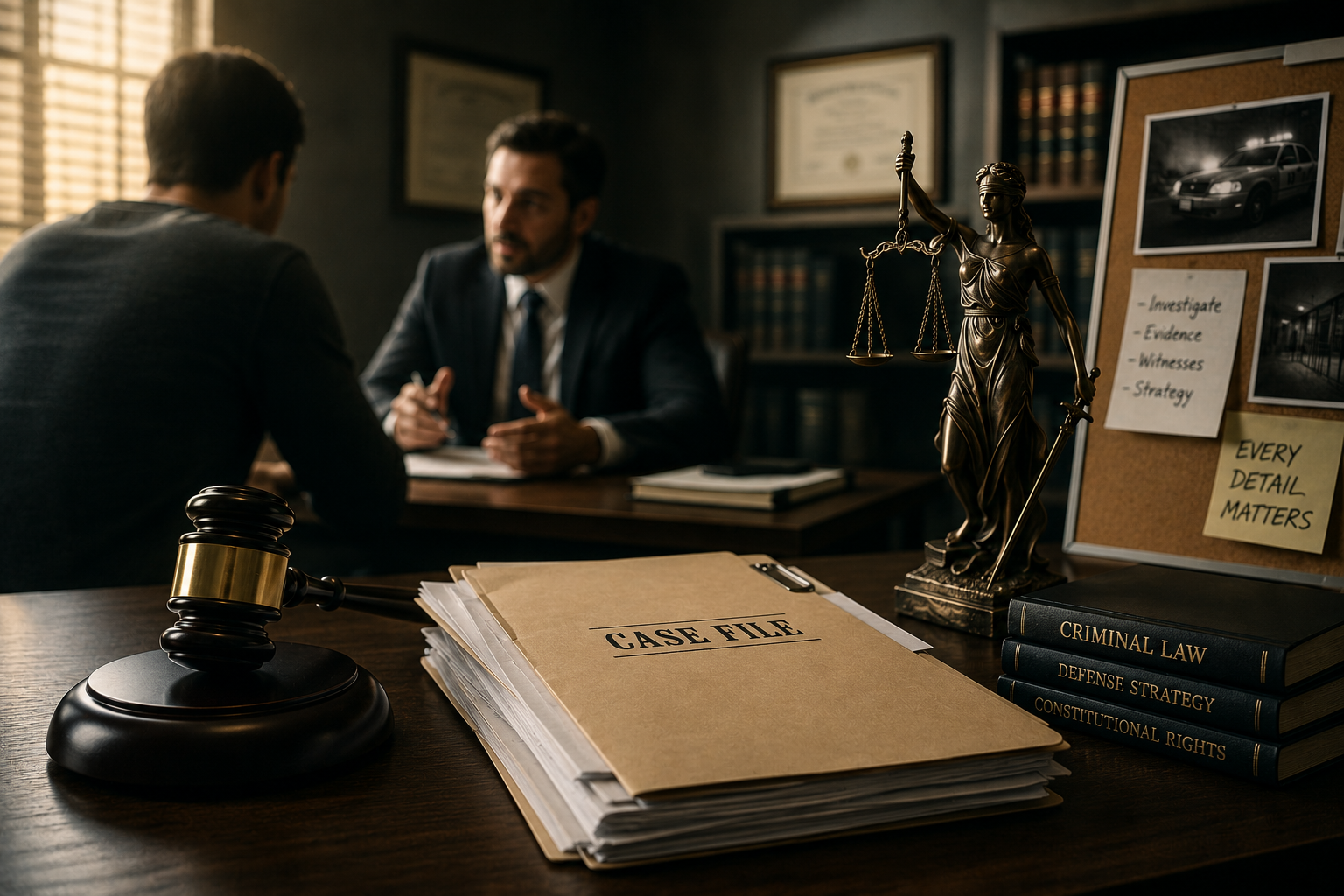
Getting charged with a crime can turn your whole week upside down. One minute you’re dealing with your normal routine, and the next you’re trying to understand court dates, paperwork, and words you may have never heard before. Most people in that position are not thinking about legal strategy right away. They are thinking about what happens next.
That is usually when they start looking for answers and for a Houston criminal defense attorney who can explain the situation in plain English. That matters because a defense lawyer does much more than just stand next to you in court. A lot of the real work happens behind the scenes, and that work can shape the case’s direction from the very beginning.
Many people assume a criminal defense attorney only shows up for hearings and trials. In reality, that is only one part of the job. A good attorney spends a lot of time learning the facts, spotting problems in the case, talking through options, and helping the client avoid mistakes that could make things worse.
Looking Closely at the Case
One of the first things a criminal defense attorney does is review the details of the case. That sounds simple, but it takes time. Police reports, witness statements, video footage, booking records, and other documents must all be carefully reviewed.
The lawyer is not just reading to see what happened. They are also looking for weak points.
What they are checking for
A defense attorney may look at things like:
- How the stop or arrest happened
- What the officer said took place
- whether witnesses tell the same story
- whether any evidence seems incomplete
- whether proper steps were followed
Sometimes the issue is big. Sometimes it is small. Either way, details matter. A case that seems straightforward at first can look very different after a careful review.
Explaining What Is Going On
A lot of people facing charges feel lost more than anything else. They do not know what the next hearing is for. They do not know whether they should speak in court. They do not know what the prosecutor is asking for, or whether a plea offer is good or bad.
That is where a defense lawyer helps in a practical way. Part of the job is simply explaining things clearly.
What Clients Usually Need Help Understanding
Most clients have questions about:
- the charge itself
- possible penalties
- the court process
- upcoming deadlines
- plea offers
- whether the case may go to trial
This part of the work matters more than people think. When someone understands the process, they usually make better decisions. They also feel less overwhelmed, which makes it easier to deal with the case step by step.
Speaking for the Client
Another major part of the job is communication. A criminal defense attorney speaks with the prosecutor, the court, and, sometimes, other parties involved in the case. The client does not have to handle those conversations alone.

In some cases, the lawyer may ask for more information or challenge how part of the case is being handled. In others, the lawyer may discuss a possible resolution before trial. That does not mean every case gets resolved quickly. It just means there is usually more going on than the client sees from the outside.
Why This Matters
Small conversations can affect things like:
- bond conditions
- scheduling
- What evidence gets shared
- whether a charge may be reduced
- whether a case can be resolved without a trial
A client may only see the court date on the calendar. The lawyer sees all the steps that lead up to it.
Preparing for Court
The court is still an important part of the process, of course. A defense attorney prepares for hearings, motions, and trial if the case gets that far. That preparation includes organizing records, reviewing the facts again, and deciding what arguments need to be made.
The lawyer also helps the client get ready.
That Can Include Guidance On:
- What to expect in court
- What to wear
- when to speak
- How to respond if asked a question
- What not to say to others about the case
This kind of preparation helps people feel steadier going in. Court can be stressful even on a simple matter. It is easier to deal with when someone has already walked you through the basics.
Helping the Client Make Decisions
Not every criminal case ends the same way. Some cases are dismissed. Some are resolved through an agreement. Some go to trial. A defense attorney helps the client understand the options and think through the possible outcomes.
That does not mean the lawyer makes every decision. The client still has choices to make. What the attorney does is give advice based on experience, facts, and the posture of the case. That way, the client doesn’t have to guess.
Conclusion
A criminal defense attorney does much more than appear in court for a few minutes and speak on the client’s behalf. The job includes reviewing the facts, explaining the process, dealing with the prosecutor, preparing for court, and helping the client make informed decisions. For someone facing criminal charges, that kind of support can make a difficult situation feel more manageable. When you understand what a defense lawyer actually does, it becomes easier to see why early legal help can matter.