




























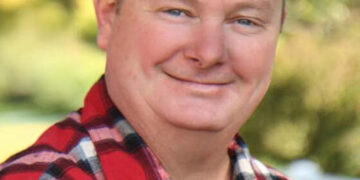
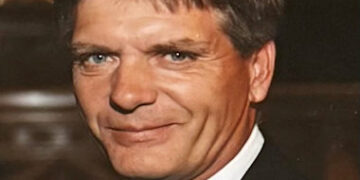

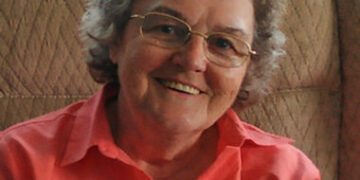
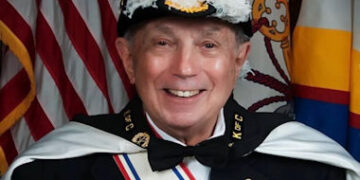



Somewhere along the way, we forgot that public figures are still people.
We see the byline, the title, the role, the podium. We hear the opinions, the votes, the rulings, the commentary. What we rarely see is the kitchen table afterward. The late-night worry. The exhaustion that comes from carrying responsibility while still trying to show up as a spouse, a parent, a neighbor, a human being.
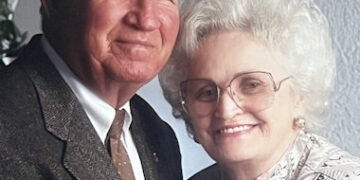
I know this tension well. Locally, my name is recognized. Sometimes that recognition opens doors. Other times, it builds walls. People think they know me because they’ve read something I wrote, watched something I said, or disagreed with a position I took. What they don’t see is the man behind it all—the man that wants to make life comfortable for his queen, the father who worries constantly about doing enough, the grandfather that wishes he could be more present, the son that tries to please the father, the person who carries private fears and struggles that never make it into print.
That disconnect isn’t unique to me. It’s universal among anyone who steps into public service or public conversation.
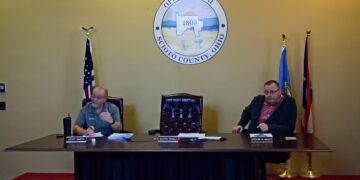
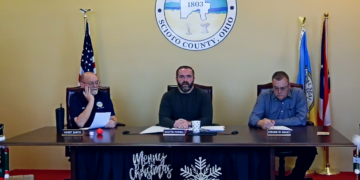
Whether it’s a school board member trying to balance community pressure with what’s best for children, a township trustee navigating limited resources, a judge making decisions that will change lives forever, or a local journalist holding the line on truth—these roles are filled by people who still have mortgages, marriages, children, aging parents, and quiet battles they fight alone.
Public recognition can be strange. You can be well known and deeply misunderstood at the same time. You can be visible and invisible in the same breath.

There are also those who leave small towns, go on to national platforms, and build careers that reach far beyond their hometown borders—only to return to silence. No parade. No acknowledgment. No sense of pride from the place that helped shape them. It’s a peculiar kind of erasure, one that says success elsewhere somehow disqualifies you from belonging here.
And then there is health.
I live with a neurological condition that brings debilitating anxiety into my life at times. I don’t lead with it, and I don’t define myself by it—but it is part of my reality. It humbles you. It reminds you how fragile the illusion of control really is. It teaches you empathy in ways no textbook ever could.
Most public figures carry something like this. Maybe it’s illness. Maybe it’s grief. Maybe it’s addiction in the family. Maybe it’s fear. We rarely talk about it because we’ve taught people in leadership to armor up, to perform strength, to never let the cracks show.
That expectation costs us more than we realize.
When we strip public figures of their humanity, we make service colder. We turn disagreement into dehumanization. We forget that the person we’re criticizing still has to go home, still has to look their kids in the eye, still has to carry the weight of words thrown casually but felt deeply.
This isn’t a plea for special treatment. Accountability matters. Transparency matters. Criticism matters.
Humanity matters too.
If we want better local government leaders, better judges, better township trustees, better voices and activism in our communities, we have to remember they are not characters in a story written for our consumption. They are people who chose to serve, most often at personal cost.
The same grace we want extended to us in our weakest moments should not disappear just because someone has a title next to their name.
Public service does not erase personhood. Visibility does not cancel vulnerability. Leadership does not remove the need for compassion.
If we could hold that truth a little tighter, we might find ourselves not only better governed—but better connected.