























































Standard office parties often fade from memory quickly. A generic happy hour might offer a brief break, but it rarely builds the deep cultural roots necessary for long-term retention. Forward-thinking leaders are turning toward immersive gatherings to solve this disconnect. Understanding why experience-driven events inspire employee loyalty begins with analyzing human psychology and the fundamental need for meaningful connection.
Building Emotional Resonance
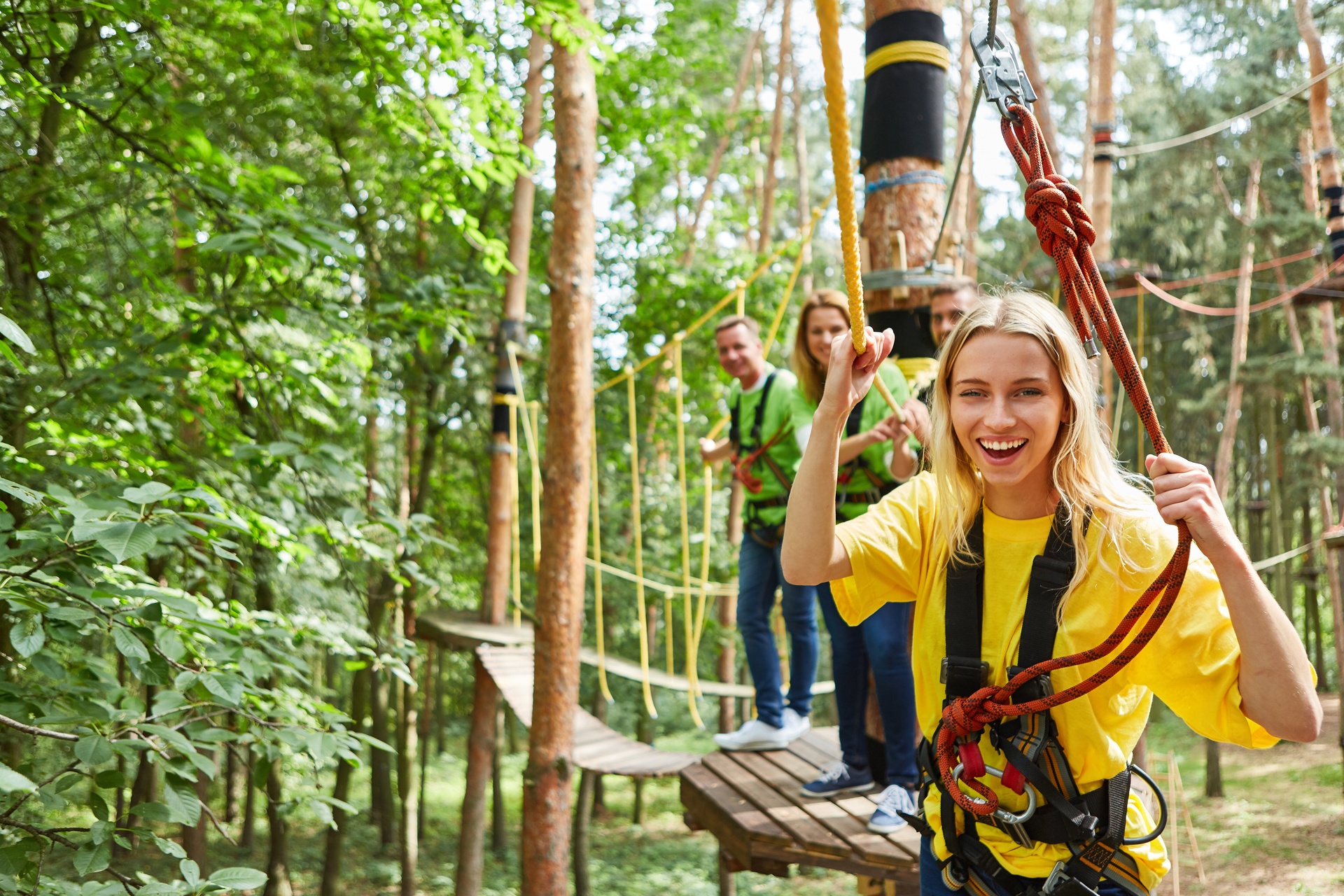
Shared experiences create stronger bonds than shared spaces. When a team participates in a cooking class or an outdoor adventure, they engage with each other in a novel environment. This novelty triggers dopamine release and cements the memory of the event in a positive light.
Unlike a branded water bottle that eventually gets lost, a shared memory becomes part of the team’s collective narrative. These positive emotional anchors make employees feel more attached to their workplace and their colleagues.
Breaking Down Hierarchical Barriers
Traditional mixers often see employees clustering with their immediate teams or peers, leaving silos intact. Structured experiences disrupt these comfortable patterns.
When a junior developer and a senior executive must solve a puzzle room challenge together, the hierarchy naturally flattens. These interactions humanize leadership and make management feel more accessible. Accessibility fosters trust, and trust remains a primary driver for employees choosing to stay with an organization.
Signaling Investment in Well-being
An experience-driven event requires more thought, planning, and resources than a simple catered lunch. Employees recognize this effort immediately.
Providing a high-quality experience signals that the company values them as individuals, not just as productive units. This perception of organizational support correlates directly with higher job satisfaction. When staff members feel their well-being is a priority, their commitment to the company deepens.

Adapting to New Standards
Workplace expectations have evolved in recent years. Employees today prioritize unique opportunities and company culture over standard perks.
As you review the current trends shaping modern corporate events, you will notice a distinct move away from passive attendance toward active participation. This shift demonstrates that an organization is listening to its workforce and adapting to their desires for engaging, dynamic work environments.
When you focus on what makes employees feel appreciated, you create the groundwork for trust and belonging. The real question many leaders ask is why experience-driven events inspire employee loyalty, and the answer often lies in genuine connection and shared purpose. Loyalty grows strongest where people feel connected, respected, and recognized for who they are.