



























































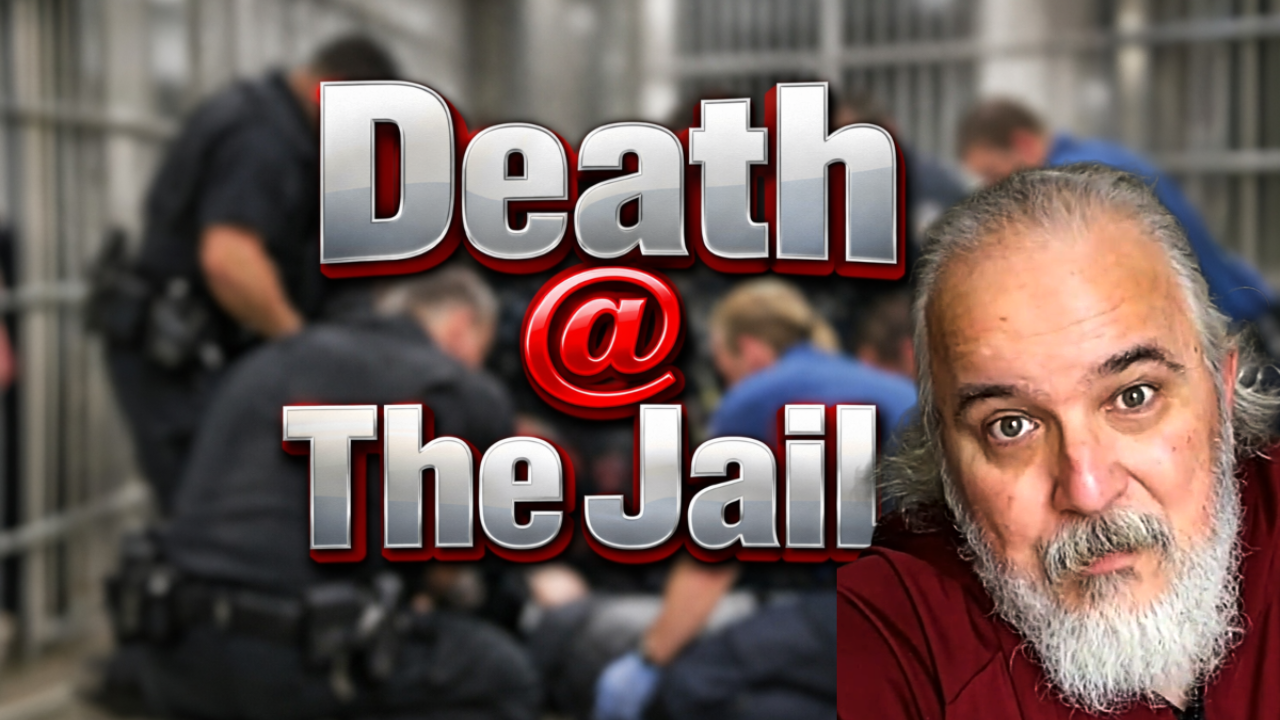
There was a death at the Scioto County Jail on Jan 11th, 2026. When a person dies on government property, the public deserves more than a paragraph. We deserve more than silence.
This isn’t about speculation or outrage. It’s about responsibility.
The Scioto County Jail officials initially described it as a medical emergency in the booking area. CPR was performed. EMS transported the individual to the hospital. And then—nothing.
No name.
No timeline.
No explanation beyond the briefest summary.
That absence of information isn’t just frustrating. It erodes trust.
Deaths that occur inside secure government facilities carry a heightened obligation to transparency. These are controlled environments. The people inside them depend entirely on public employees for safety, medical attention, and survival. When something goes wrong, the public has a right—and frankly, a duty—to ask clear, direct questions.
Not accusatory questions. Necessary ones.
The Scioto County Jail owes the public answers to questions like these.
Who was the person who died, and why were they on government property in the first place? What was the exact timeline leading up to the medical emergency? What actions did government employees take before the emergency began, and what actions did they take after? Were any restraints, force, or control measures used prior to the medical event? Was proper medical screening conducted during intake or arrival? How quickly was emergency medical care initiated, and by whom? Is there video or audio documentation of what occurred? Were policies and procedures followed as written? Has an independent investigation been initiated? When will the public be provided full transparency?
These are not unreasonable questions. They are the baseline.
SCDN formally requested records from the Scioto County Sheriff’s Department to better understand what happened. The request included body-worn camera footage, jail surveillance video, medical response records, booking information, and initial witness statements—records that, under Ohio law, are generally considered public.
As of today, there has been no acknowledgment of that request. No confirmation. No timeline. No response.
The Scioto County Jail has also not released the individual’s name, the reason for their detention, or any additional detail about what unfolded before and after the medical emergency.
At this point, no wrongdoing has been alleged. That’s important to say plainly. But the absence of information prevents the public from independently assessing whether policies were followed, whether warning signs were missed, or whether changes are needed to prevent another tragedy.
Transparency isn’t about blame. It’s about learning. It’s about accountability. It’s about honoring the fact that someone lost their life while under the care and control of a public institution.
Some have asked why we keep asking the same questions.
The answer is simple: because no one is answering them.
Avoidance is not an acceptable substitute.
Ignoring the largest local media organization—or Uncle Elmer from ’round the way—sends the same message. That message from the Scioto County Jail isn’t efficiency. It’s indifference.
Indifference, especially in matters involving death, has consequences.
SCDN will continue to ask questions. We will continue to request records. We will continue to report on every official step—from initial reports to charges, from indictments to final judgments—because that’s how accountability works. That’s how trust is built. That’s how communities stay informed.

The public isn’t asking for secrets. We’re asking for answers.
Until they’re provided, the questions remain. And so does the responsibility to keep asking.
Some people call me the Craycraft Express. They say I don’t slow down. They say I don’t let things go.
That’s true.
Because when elected officials go quiet, it doesn’t apply the brakes. It adds steam to the engine.
And this engine runs on truth.