





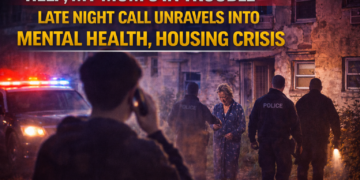




















































When deputies rolled out to a remote camper on Township Road 161 for a reported burglary in progress, they didn’t find a criminal breaking in — but instead found themselves confronting something far more complex: a resident in clear mental distress.
The call came from a man convinced someone was trying to break into his camper through a hole in the floor of his closet, right near his water heater. He pointed out the spot to the responding officer, who checked the hole, the underside of the trailer, and the surrounding area.
There were no signs of forced entry.
No footprints. No disturbed ground. No muddy handprints or tracks. Nothing to suggest that anyone had been under or around the camper.
🧠 Mental Health Crisis in Disguise
The caller suspected his own nephew might be the culprit. But when deputies checked in with the young man at his home nearby, they found him relaxing on the couch, watching cartoons with his baby. His wife was present, and there was no evidence — no mud, no debris, no rushed behavior — that anyone had left the house, let alone crawled under a camper.
In fact, the nephew shared a deeper concern:
“We’ve been worried about him for a couple of weeks now. He’s been saying people are shaking his camper and watching him through the skylight.”
🛡️ First Responders on the Front Lines of Mental Health
Situations like this are becoming more and more common across rural America, and first responders are often the first — and sometimes only — line of defense.
With limited access to mental health professionals and long waits for evaluations, deputies often respond to mental health-related calls without medical backup. They’re forced to assess not only safety but also the emotional and psychological well-being of those involved.
In this case, the deputy didn’t write the man off. He took time to explain the process for petitioning for a mental health evaluation, ensuring the family understood their options.
No arrests were made. No one was harmed. But the call served as a quiet reminder of the emotional strain weighing on many in isolated communities.
💬 What to Do If You Suspect a Mental Health Crisis
- Don’t dismiss strange behavior. Sudden paranoia, confusion, or hallucinations can be signs of serious mental illness.
- Call for help, but communicate clearly. Let dispatchers know if there’s a safety concern and that the person may be in mental distress.
- Know your options. In Ohio, you can petition the local probate court for an emergency mental health evaluation.
- Stay calm. Try not to confront or argue with the person if they’re acting irrationally. Just ensure everyone is safe until help arrives.
🚔 Real Help, Not Just Handcuffs
This incident might not make national headlines, but it paints a powerful picture of what our deputies and first responders face every day — navigating the line between public safety and personal crisis.
Behind every “burglary call” like this, there could be a neighbor in need, not a criminal in hiding. And it’s up to compassionate, well-trained responders — like those in Lawrence County — to recognize the difference.