













































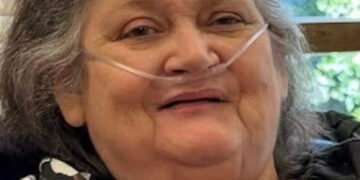













A tense call for help turned out to be a case of dementia-fueled confusion, after an elderly woman reported that her daughter had barricaded herself in the garage with a running car — a situation that initially raised fears of a potential suicide attempt.
Officers responded just after 7 p.m., but before they arrived, the woman called back to say her daughter and a boyfriend were now barricaded inside. When police got to the scene, they quickly determined that no one had attempted to harm themselves — and that the situation was the result of a different kind of mental health crisis.
Officers spoke with a health aide on site and confirmed the elderly woman was living with dementia. They noted that the car in the garage hadn’t been running and that there was no immediate danger. Instead, the woman was reportedly upset about her great-granddaughter’s behavior, which seemed to have triggered the episode. The granddaughter, great-granddaughter, and a boyfriend later left the residence without further issue.
What to Know: Caring for a Loved One with Dementia
Confusion, memory lapses, and paranoia are common symptoms of dementia — and they can lead to frightening or frustrating situations for both the individual and their family. Here’s how to manage these episodes with compassion and care:
🧠 Recognize the Signs – Dementia can cause confusion, fear, and misinterpretation of everyday events. What feels real to the person often isn’t, but dismissing it outright can make things worse.
🗣️ Stay Calm & Reassuring – Speak gently and offer comfort. Arguing rarely helps. Instead, validate their feelings and redirect the conversation when possible.
📞 Don’t Hesitate to Call for Help – If there’s even a chance someone could be in danger, it’s okay to call 911. First responders are trained to assess mental health situations calmly and respectfully.
🏠 Create a Safe Environment – Remove potential hazards like car keys, stove knobs, and sharp objects. If needed, consult with a professional about safety-proofing the home.
🧾 Keep Medical Info Accessible – Have a list of medications, diagnoses, and contact info for doctors or caregivers ready in case of emergency.
👩⚕️ Seek Support – A dementia diagnosis is hard on everyone. Don’t go it alone — local support groups, adult day care programs, and trained aides can help reduce stress on families.
This incident reminds us of how complex — and misunderstood — dementia can be. Behind confusing or even alarming behavior, there’s often a medical condition at play, not malice or danger. Compassion and awareness can go a long way in keeping everyone safe.