

















































Wheelersburg was shaken by a heartbreaking scene that highlights both the challenges law enforcement face, and the toll tragedies take on the youngest members of the community.
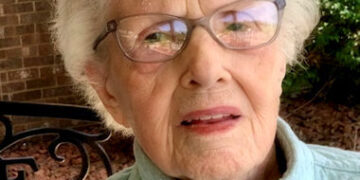
Scioto County Sheriff’s Deputies were called after an 11-year-old discovered a 63-year-old woman deceased in her apartment. Deputies immediately moved to protect the child from further trauma, escorting them to a nearby apartment while contacting family members to come and provide support.
The Scioto County Coroner was notified, and the woman’s body was later released to a local funeral home.
👮 Sensitive Work by First Responders
For deputies, paramedics, and other first responders, cases like this are among the hardest calls they face. It isn’t just about managing a scene—it’s about showing compassion, discretion, and care when children are involved.
Officers must juggle official duties such as securing the scene, contacting coroners, and documenting reports, all while making sure a child in shock is cared for and kept safe. It’s quiet, difficult work that rarely makes headlines but demands empathy and strength.
💡 Helping Children After Traumatic Events
Psychologists emphasize that children who experience or witness traumatic situations often need extra support in the days and weeks that follow. Some steps parents, teachers, and community members can take include:
🗣️ Encourage open conversation – Let kids talk about what they saw or felt without judgment.
👂 Listen more than you speak – Sometimes children just need to know they are being heard.
🧑⚕️ Seek professional help if needed – Counselors and child therapists can provide tools for coping.
🛑 Avoid unnecessary details – Protect kids from reliving the trauma by keeping conversations age-appropriate.
❤️ Offer stability – Consistent routines, reassurance, and normalcy help children feel secure again.
The Community’s Role
Tragedies like this remind us that first responders cannot carry the burden alone. Families, schools, and neighbors can play an essential role in helping children heal after traumatic experiences. A simple check-in, a supportive conversation, or connecting families to resources can make a lasting difference.