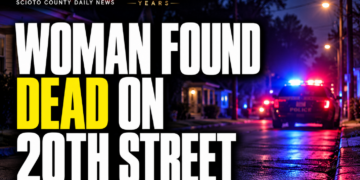
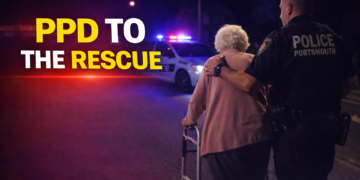
A hit-and-skip crash that shut down a roadway ended hours later with a surprise twist: the suspected driver walked into the police station on her own. But by then, no one was in handcuffs—and that’s raising questions.
🚨 Crash Sends Truck Disabled, Airbags Deployed
Just after 7:30 a.m., officers with the Portsmouth Police Department responded to a hit-skip crash at Kinneys Lane and Waller Street.
Police say an SUV ran a stop sign, struck a white 2018 Ford F-150 on the side, and continued southbound on Waller Street without stopping.
The impact:
- Disabled the truck in the roadway
- Deployed airbags
- Required a tow truck to clear the scene
🎥 Video Sought—but Not Handed Over
Officers sent another unit to a nearby cancer center to check for surveillance video. That led them to Southern Ohio Medical Center security.
Security told officers:
- Cameras may have captured the crash
- They would need supervisor approval even to review it
- A subpoena would be required to release a copy of the video
Officers left their information and advised the hit-skip victim of the next steps.
⏰ Then—A Walk-In at the Station
Around 8:40 p.m., nearly 13 hours after the crash, a woman walked into the police station and told officers she had been involved in the hit-skip and wanted to speak with them.
Officers took her information and noted they would still attempt to review camera footage to determine fault.
When officers followed up with SOMC security, they were told the officer who viewed the video did not want to write a witness statement, preferring instead that the footage be subpoenaed if the case goes to court.
❓ So Here’s the Question
A serious crash.
A disabled vehicle.
Airbags deployed.
A driver who left the scene—then showed up later.
👉 Should the hit-skip driver have been detained when she came forward?
👉 Does walking into the station hours later change the responsibility—or just delay it?
For now, the case appears to hinge on video evidence and follow-up, not handcuffs. But for the driver who was hit and left stranded in the roadway, it’s fair to ask whether accountability should have come sooner—or looked very different.