









































































Across Scioto County, most older residents share the same wish: to stay in the home they love rather than move away. That goal is absolutely achievable, but it takes a little planning to make it safe. For families here, knowing the options is the first step toward peace of mind.
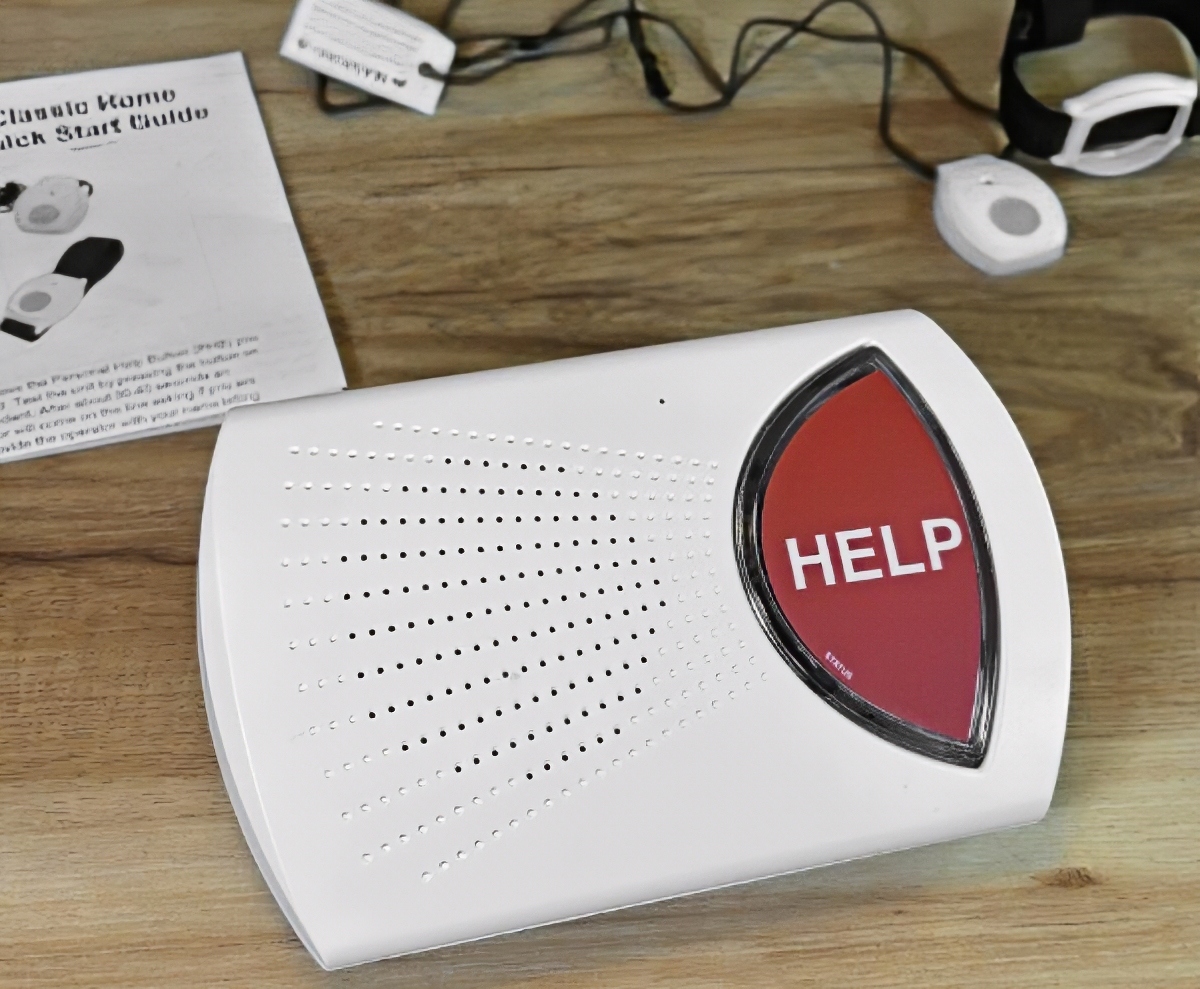
Independence and safety work best together, not against each other. A simple safety alert device connects a senior to help at the press of a button, so a fall or scare never becomes a tragedy. This guide covers how local seniors can stay safe while living at home.
Why Does Aging at Home Take Planning?
The wish is nearly universal. Aging in place means growing older in your own home rather than moving to a care facility. Nearly 9 in 10 adults over 65 say they prefer it.
But homes were rarely built for it. Stairs, slippery floors, and poor lighting create risks that grow with age. A little foresight removes most of them before they cause harm.
Rural distance adds a factor. In a county like ours, help can be further away than in a city, so fast access to assistance matters even more. Planning bridges that gap. A home that has been made safe, paired with a reliable way to call for help, turns that distance from a worry into a manageable detail. For the whole family, it replaces daily anxiety with real confidence.
What Are the Biggest Risks at Home?
Most dangers are well known and preventable. A short checklist covers the main ones.
- Falls. The leading cause of injury for older adults.
- Slow response. Delays in reaching help after an incident.
- Isolation. Living alone with no quick way to call for aid.
- Medication mix-ups. Missed or doubled doses.
Falls top the list by far. Guidance from the NIA on preventing falls at home shows how simple changes cut the risk sharply. About 1 in 4 adults over 65 falls each year, and most falls happen at home.
How Do You Make a Home Safer?
Small fixes deliver big protection. A few changes handle most of the risk. Work through them room by room.
- Clear the floors. Remove loose rugs and clutter.
- Add grab bars. By the bath, shower, and toilet.
- Improve lighting. Especially stairs and hallways at night.
- Lower daily items. Avoid reaching and step stools.
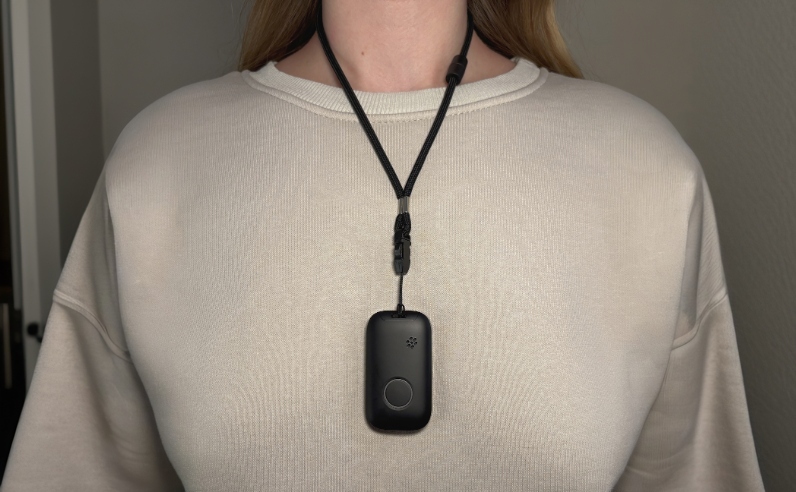
- Wear an alert device. Help on hand at any moment.
Build good habits too. Broader advice on older adult health pairs a safe home with staying active and connected. A safe home and a healthy routine reinforce each other.
Why Do Response Times Matter So Much?
In an emergency, minutes count. The faster help arrives after a fall or medical event, the better the outcome. That is the whole case for planning ahead.

Local crews are stretched thin across the county. Anything that speeds the call for help saves precious time, as the county’s overnight crisis response teams know all too well. A device that alerts them instantly is a real advantage.
Every second helps. A senior who can summon aid the moment something goes wrong, rather than waiting to be found, gains a critical head start. For someone living alone, that can be the difference that matters most.
How Does the Community Help Its Seniors?
No one should age alone. Family, neighbors, and local services form a safety net around older residents. That network is one of the county’s real strengths.
Neighbors matter here, and so do the many volunteers who keep the county running, including those who serve on a volunteer fire department. That same spirit of care is what keeps local seniors safe. A quick check-in from a neighbor is worth a great deal, and it costs nothing at all.
Technology fills the gaps. When family cannot be there around the clock, a monitored alert device provides constant backup. It gives everyone, senior and family alike, genuine peace of mind.
What to Keep In Mind
- Most local seniors want to age in their own homes.
- Homes need simple changes to become truly safe.
- Falls are the top risk, and most happen at home.
- Faster help after an incident means better outcomes.
- A safety alert device summons aid at the press of a button.
- Family, neighbors, and technology together form the safety net.
Helping Our Seniors Stay Home Safely
For Scioto County seniors, staying at home is not just possible; it is the right goal with the right support. A safer home, a strong community, and a reliable safety alert device let older residents keep their independence without gambling on their safety. A little planning today protects the freedom they value most.
FAQ
What Is a Safety Alert Device?
It is a wearable or in-home device that lets a person summon help instantly at the press of a button, often with fall detection and 24/7 monitoring. It connects the wearer to a response center or family. For seniors living alone, it provides a fast link to aid.
Why Is Aging at Home Riskier In a Rural Area?
Help can be farther away than in a city, so response times may be longer after a fall or medical event. That makes fast access to assistance especially important. A monitored alert device helps close that distance gap.
What Is the Most Important Home Safety Fix?
Reducing fall risk matters most, since falls are the leading cause of injury for older adults. Clearing floors, adding grab bars, and improving lighting all help. Pairing those fixes with an alert device covers both prevention and response.
How Does an Alert Device Help Families?
It provides around-the-clock backup when family cannot be present, summoning help the moment something goes wrong. That reassurance eases worry for everyone. It lets seniors keep their independence while staying connected to support.