





















































Ohio has officially decided it’s time to put the brakes on buying pop with food stamps.
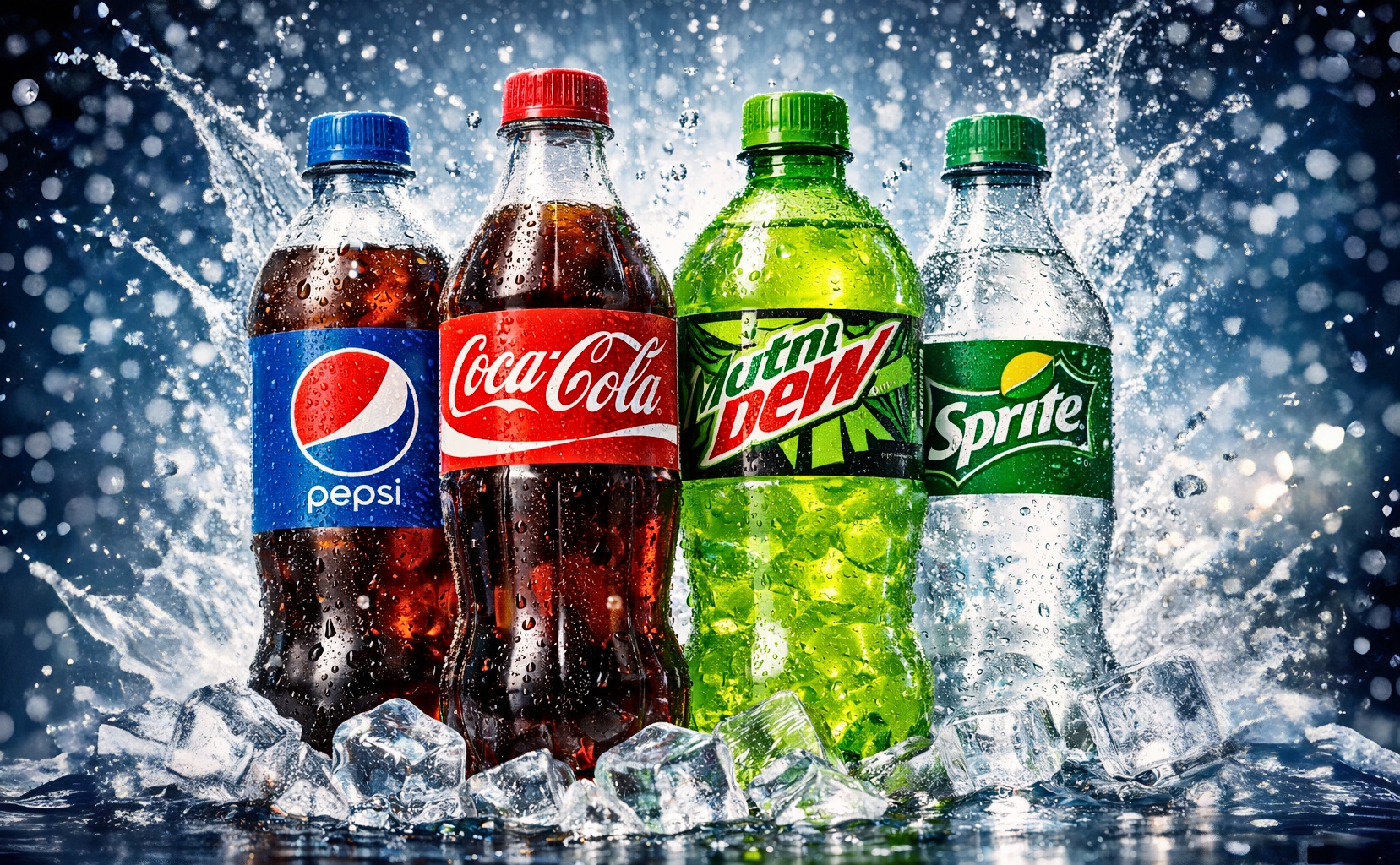
Beginning October 1, 2026, Ohio residents using SNAP benefits (commonly called food stamps) will no longer be able to use those benefits to buy sugary sodas—known to most Ohioans simply as pop. The restriction applies to drinks where sugar, corn syrup, or high-fructose corn syrup is the primary ingredient (or the second ingredient if the drink is carbonated).
Diet sodas? Still allowed.
Regular Coke, Pepsi, or Mountain Dew? Not with SNAP.
Supporters say the policy is about improving nutrition for the roughly 1.4 million Ohioans receiving SNAP benefits. Critics say it’s another example of government deciding it knows what poor people should and shouldn’t eat.
In other words, welcome to the great Ohio Pop Ban Debate.
Why Officials Want to Ban Pop From SNAP
Supporters of the change say the reasoning is pretty simple: soda has zero nutritional value and a whole lot of sugar.
A single 20-ounce bottle of soda can contain more than 60 grams of sugar, which is far above what doctors recommend people consume in a day.
Public health officials often point to a laundry list of problems linked to sugary drinks:
- Obesity
• Type 2 diabetes
• Heart disease
• Tooth decay
• High blood pressure
Because SNAP is funded by taxpayers and designed to help families buy food, supporters argue the program shouldn’t be subsidizing drinks that are essentially liquid candy.
Another statistic officials often cite: in some communities, as much as 20% of SNAP spending has historically gone toward sugary drinks and snack foods.
That’s a lot of pop.
Backers of the policy say if the program is meant to fight hunger and improve nutrition, steering purchases toward healthier options makes sense.
But Is It Fair to Police What People Drink?
That’s where the debate gets a little spicy.
Critics of the pop ban say the policy raises a simple question:
Should the government get to decide what adults can buy just because they’re poor?
After all, SNAP recipients are still citizens, still taxpayers in many cases, and still adults capable of making their own decisions.
And let’s be honest: people with cash can buy a 64-ounce Big Gulp the size of a small aquarium and nobody blinks.
But if someone uses SNAP? Suddenly the soda police show up.
Some critics say policies like this can feel less like public health and more like government babysitting.
Here’s the Other Catch: Some “Allowed” Drinks Aren’t Much Better
The rule targets sugary sodas, but it leaves a few loopholes that critics say are… well… interesting.
For example, many fruit juices are still allowed under SNAP, even though some of them contain just as much sugar as soda.
A glass of orange juice can have nearly the same sugar content as a soft drink, and some juice blends pack in just as many calories.

So while the policy removes soda from the cart, it doesn’t necessarily eliminate sugar from the shopping list.
In other words, banning pop doesn’t magically turn everyone into a water-drinking health nut.
The Practical Question: Will It Actually Change Behavior?
Policies like this always come with a practical question:
Will people just buy soda with cash instead?
Many critics believe that’s exactly what will happen. Families may simply use SNAP for other groceries and pay for pop out of pocket.
If that’s the case, the policy may change how soda is purchased, not whether it’s purchased.
Supporters, however, believe even small nudges can lead to healthier choices over time.
Ohio Isn’t Alone
Ohio isn’t the first state to consider restricting soda purchases through SNAP. Several states have explored similar policies over the years, but they require federal approval from the USDA because SNAP is a federal program.
With that approval now granted, Ohio’s rule will take effect later this year.
And once one state does it, others may follow.
The Bottom Line
There’s no question soda isn’t exactly health food.
But the debate over Ohio’s SNAP pop ban really comes down to something bigger than soda.
It’s about where to draw the line between encouraging healthier choices and telling adults what they’re allowed to buy.
Because whether you call it soda, pop, or “that sweet fizzy stuff that gets you through a long afternoon,” one thing is certain:
The debate over government and grocery carts is just getting started.