

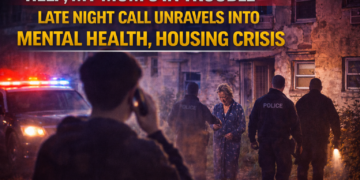




















































A call about an out-of-control 11-year-old brought sheriff’s deputies and an ambulance to a home this week, renewing a familiar debate about who should respond when family situations spiral into crisis.
According to the Scioto County Sheriff’s Office, deputies were called to assist after reports that a child was acting out of control. When a deputy arrived and assessed the situation, they requested a squad to help manage the scene.
Medical Transport, Not an Arrest
As deputies worked to calm the situation, officers were advised that the child’s grandmother was en route, raising concerns that her arrival could further escalate tensions.
Medics ultimately transported the child to the hospital, with a deputy following behind to ensure the transfer went smoothly. Another deputy remained at the residence with the child’s mother, waiting until her ride arrived to take her to the hospital as well.
No arrests were made.
A Growing Role for Law Enforcement
This wasn’t a crime scene.
It wasn’t a criminal investigation.
It was a family in crisis.
And yet, police were the ones called.
Situations like this are becoming increasingly common, placing officers in the role of mediators, crisis managers, and stand-ins for mental health services—often with limited tools beyond calling EMS and trying to keep the peace.
The Question Many Are Asking
Deputies followed protocol and ensured everyone got where they needed to go safely. But the call raises a broader question for the community:
👉 Are police being called in too often to manage family and mental health problems that might be better handled by specialized services?
👉 And what happens when law enforcement is the only option families feel they have?
For now, officers continue to answer the calls—whether they involve crime, crisis, or something in between—because when families dial 911, help of some kind has to show up.