


































































Another heartbreaking incident in Tracy Park highlighted just how desperate — and dangerous — Portsmouth’s growing homeless and mental health crisis has become.
Just after 10 p.m., officers were called to the park after reports of a man expressing suicidal thoughts.
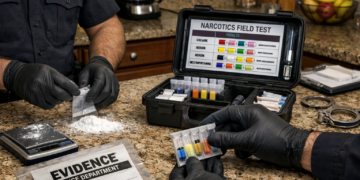
When police arrived, the man told them he had been using meth continuously for seven days. He also said he wasn’t even from Scioto County — explaining he’d come from the Akron area and had nowhere to go.

Alone, exhausted, high, and in crisis, the man agreed to accept help.
Medics from the Portsmouth Fire Department transported him to Southern Ohio Medical Center for treatment.
A Familiar Pattern in Tracy Park
This is far from an isolated case.
Tracy Park has increasingly become ground zero for mental health emergencies, substance abuse, and homelessness — with officers routinely responding to reports of overdoses, public disturbances, people sleeping on the stage, litter piling up, and individuals spiraling in full public view.
In recent weeks alone, police have dealt with:
- Public intoxication and drug use
• Suicidal individuals
• Homeless campers leaving trash behind
• People sleeping in the park overnight
• Disturbances tied to addiction and untreated mental illness
Each call tells the same story: people arriving in Portsmouth with nothing, burning through drugs, and ending up in crisis — while police and EMS are left trying to hold the line.
Help, But Not a Solution
While it’s a relief this man accepted medical care, the bigger problem remains.
Hospitals can stabilize someone for a night.
Police can transport them.
But long-term treatment beds are scarce, shelters are overwhelmed, and many people are released right back onto the streets within hours or days — starting the cycle all over again.
Portsmouth officers are increasingly serving as first responders, social workers, and crisis counselors — roles they were never designed to fill.
Until real, sustained mental health and addiction resources are put in place, Tracy Park — and the rest of the city — will continue to see scenes like this unfold again and again.
And each one is a reminder that this crisis isn’t slowing down.