












































































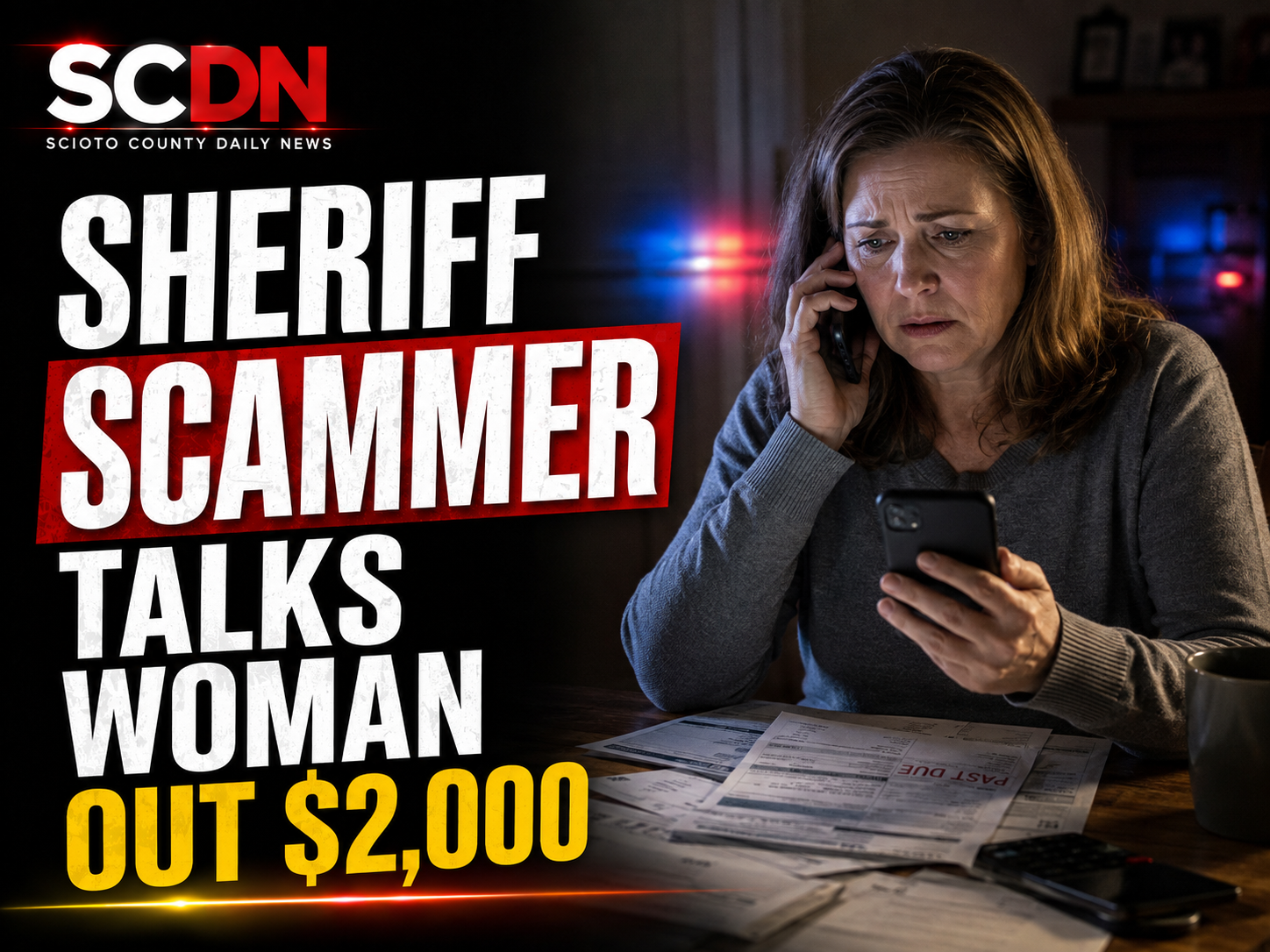
A woman was already on her way to the Sheriff’s Office to check out a suspicious call when the scammer on the phone convinced her to turn around — and ultimately talked her into sending him $2,000.
According to a Lawrence County Sheriff’s Office report, the woman received a call from an unknown man who claimed to be with the Sheriff’s Office.
He told her she had unpaid fines and needed to report to the Sheriff’s Office immediately or she would be arrested.
The woman took the warning seriously. She left work and started driving to the Sheriff’s Office.
That’s when the story changed.
While she was on her way, the caller told her not to go to the Sheriff’s Office, claiming that if she walked through the doors she would immediately be arrested on a grand jury warrant.
Instead, he told her she could pay a bond to avoid going to jail.
The scammer initially instructed her to send the money through Apple Pay, but that transaction would not go through. He then directed her to Cash App.
The woman sent two $1,000 Cash App payments, for a total of $2,000.
She eventually went to the real Sheriff’s Office and discovered there were no deputies waiting to arrest her. Instead, she learned she had been scammed.
The woman reported the fraudulent transactions to Cash App and filed a sheriff’s report to provide to both the payment service and her bank.
She told deputies she did not know the caller, who contacted her from a blocked number.
The Biggest Red Flag? They Don’t Want You to Check
This scam used several familiar tactics: a frightening claim about an arrest warrant, pressure to act immediately and a demand for payment through an electronic payment service.
But there was an especially important warning sign in this case.
The caller tried to stop the victim from independently contacting law enforcement.
That’s because walking into the Sheriff’s Office or calling the agency through a number you look up yourself can quickly expose the scam.

If someone calls claiming to be a deputy, police officer, court employee or other government official and says you must immediately send money to avoid arrest, do not pay them.
Hang up. Don’t call back using a number the caller provides. Look up the official number for the law enforcement agency or court yourself and ask whether there really is a problem.
And don’t let a caller frighten you out of verifying their story.
In this case, the victim’s first instinct — go directly to the Sheriff’s Office and find out what was happening — was exactly the right one.