

















































































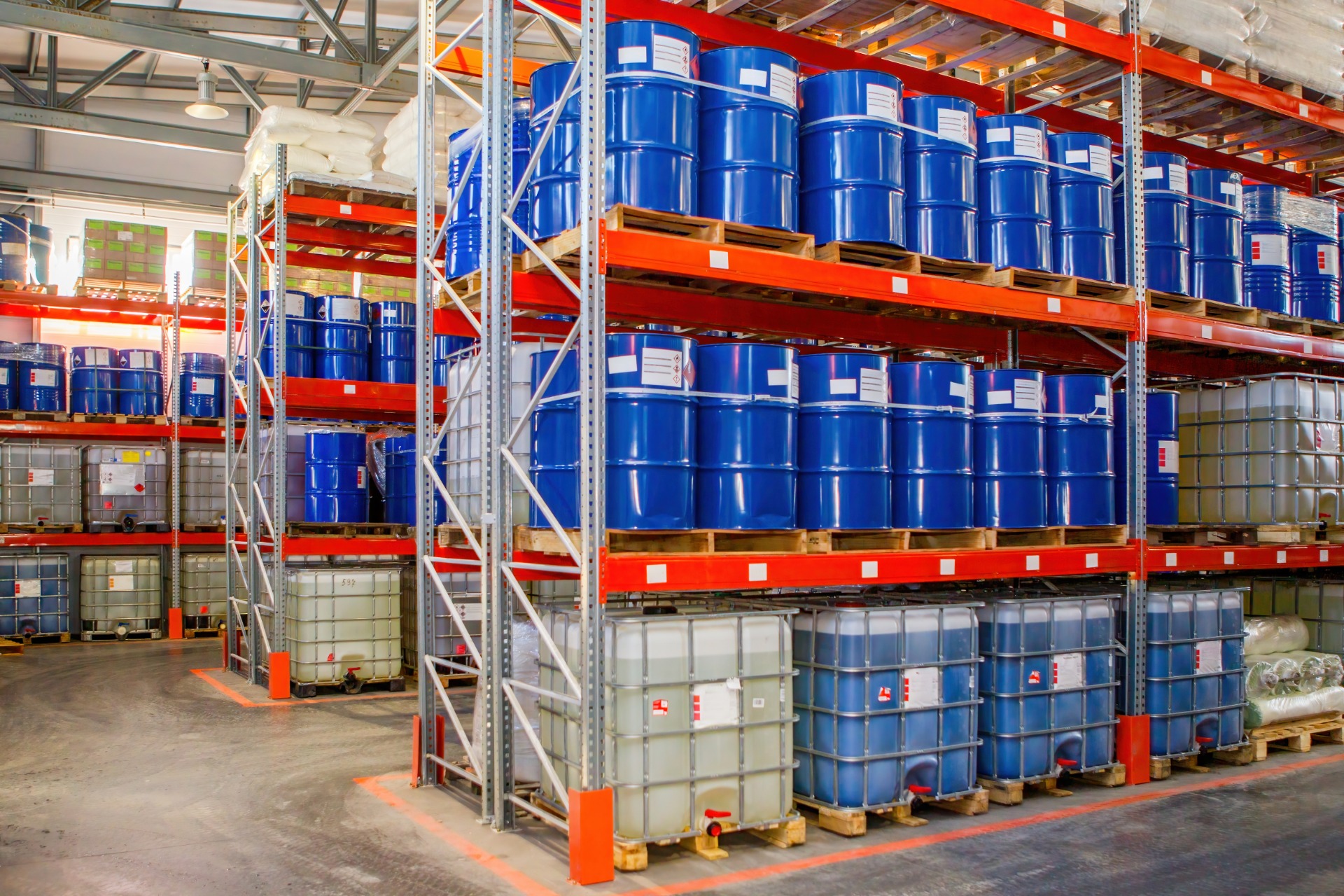
Chemical storage can feel routine until one loose cap, cracked drum, or crowded shelf turns into a problem. I’ve seen how quickly a small leak can interrupt a workday, create safety concerns, and send everyone scrambling for the right cleanup supplies.
Good spill prevention starts before anyone opens a container. When you use these spill prevention tips for chemical storage, your team spends less time reacting to problems and more time working with confidence.
Choose the Right Containers
Every chemical needs a container that matches its properties. Some materials corrode metal, while others degrade certain plastics. Check labels, safety data sheets, and manufacturer guidance before storing anything long-term.
Keep containers in good condition, too. Replace damaged lids, remove dented drums from service, and clean residue around openings before it spreads. A container should close tightly every time someone uses it.
Keep Storage Areas Organized
Clutter creates risk. When workers stack containers too high or store incompatible chemicals too close together, they increase the risk of leaks, spills, and dangerous reactions.
Give every container a clear home. Keep aisles open, store heavy containers low, and keep frequently used chemicals within easy reach. Strong organization also helps workers spot leaks faster because they know what the area should look like.
Use Secondary Containment
Secondary containment gives your team a backup when a container fails. Spill pallets, berms, trays, and liner systems can hold leaks before chemicals reach floors, drains, soil, or nearby equipment.

Containment liners are helpful for emergency response planning because they give teams more control during a spill. They can limit the spread, simplify cleanup, and reduce panic when every minute counts. Choose liners that can handle the chemicals you store, not just the size of the storage area.
Train People on Daily Habits
Even the best storage setup needs people who know how to use it. Train workers to close containers immediately, report leaks right away, and move chemicals with the appropriate carts or handling tools.
Make spill kits easy to find and simple to use. Workers shouldn’t have to search for absorbents, gloves, disposal bags, or neutralizing materials during an emergency. Regular walkthroughs also help your team catch small problems before they escalate.
Plan for What Could Go Wrong
Spill prevention for chemical storage works best when you combine preparation with practical routines. Review storage areas often, update labels when needed, and remove expired or unused chemicals before they crowd active inventory.
Strong chemical storage doesn’t rely on luck. When you choose the right containers, organize the space, train your team, and use reliable containment, you create a safer workplace every day. Spill prevention tips for chemical storage give your team a clear path toward fewer surprises, faster responses, and better protection for people and property.