Court-ordered rehab sounds like a win-win on the surface: someone with a substance use problem gets help instead of jail time. But what happens when the person ordered to treatment doesn’t want it? In Scioto County, Ohio—a region overrun with more than 110 rehab houses for just 72,000 residents—the cracks in the system are showing. And many community members are sounding the alarm.
“We’re being turned into a dumping ground,” one frustrated local told the Scioto County Commissioners during a recent meeting. “They’re shipping people here from all over the state and leaving them when they fail the program. Then they become part of our homeless problem.”
A Failing System?
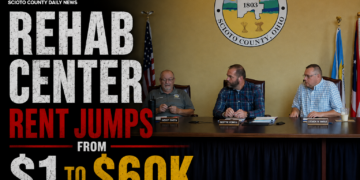
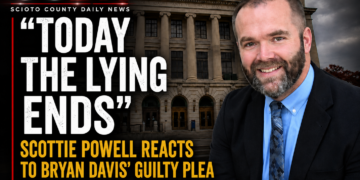
Scioto County Commissioner Scottie Powell explained that the county became a hub for treatment because it was “ground zero” for the opioid crisis. As a result, an infrastructure of recovery housing sprouted up faster than in many other parts of Ohio. But it hasn’t necessarily led to better outcomes.
The harsh reality is that many people entering court-ordered rehab are not ready or willing to recover. And that’s a recipe for relapse. Studies suggest that court-mandated treatment has a high failure rate when compared to voluntary treatment. Add in the lack of oversight and quality standards in some of these facilities, and you have a cycle of relapse, re-arrest, and more court-mandated treatment.
“They get housing, meals, and support services—all funded by taxpayers,” said a local citizen at the meeting. “Meanwhile, my friend, a widow, can’t even find a place to rent. It feels like they’re being rewarded for bad behavior.”
Commissioner Bryan Davis added that the financial incentives have made rehab a business, not a solution. “The State of Ohio is spending more on people in recovery than they are on our veterans or seniors in nursing homes. That’s not sustainable.”
Is There a Better Way?
Many agree that the system is broken, but what does real reform look like?
One suggestion is to focus on incentivized voluntary treatment, where individuals choose recovery and are rewarded with tangible supports—housing, job training, and community service opportunities. Others advocate for contingency management, a model that rewards clean drug tests with vouchers or prizes. It’s controversial but has shown results in certain populations.
There’s also growing support for peer-led recovery models, where those in recovery mentor others. These programs emphasize accountability, community, and long-term commitment over quick fixes.
And finally, many experts believe in integrating mental health care more thoroughly into treatment, recognizing that trauma, depression, and anxiety often underlie substance abuse.
The Bottom Line
You can’t force someone to get better. Recovery is personal, messy, and different for everyone. While court-ordered rehab might keep people out of jail, it doesn’t guarantee healing. And as Scioto County’s residents are learning the hard way, a system that prioritizes numbers over outcomes might not be helping anyone—not the addicts, not the community, and not the future.
If change is coming, it needs to come from the top down and the bottom up. From lawmakers setting higher standards, to communities creating space for honest conversations, to people in recovery leading the way forward. Because if the system keeps failing, it’s not just the addicts who suffer. It’s all of us.