









































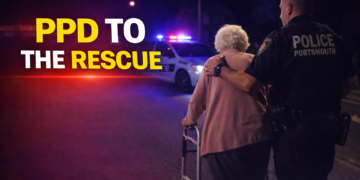


























Officers were called in to check on the welfare of a 3-week-old infant after medical personnel reported serious concerns: the baby had been born with addiction-related issues and another medical condition, and the mother had repeatedly canceled medical appointments. Staff also said the child had not been seen by a doctor since birth.
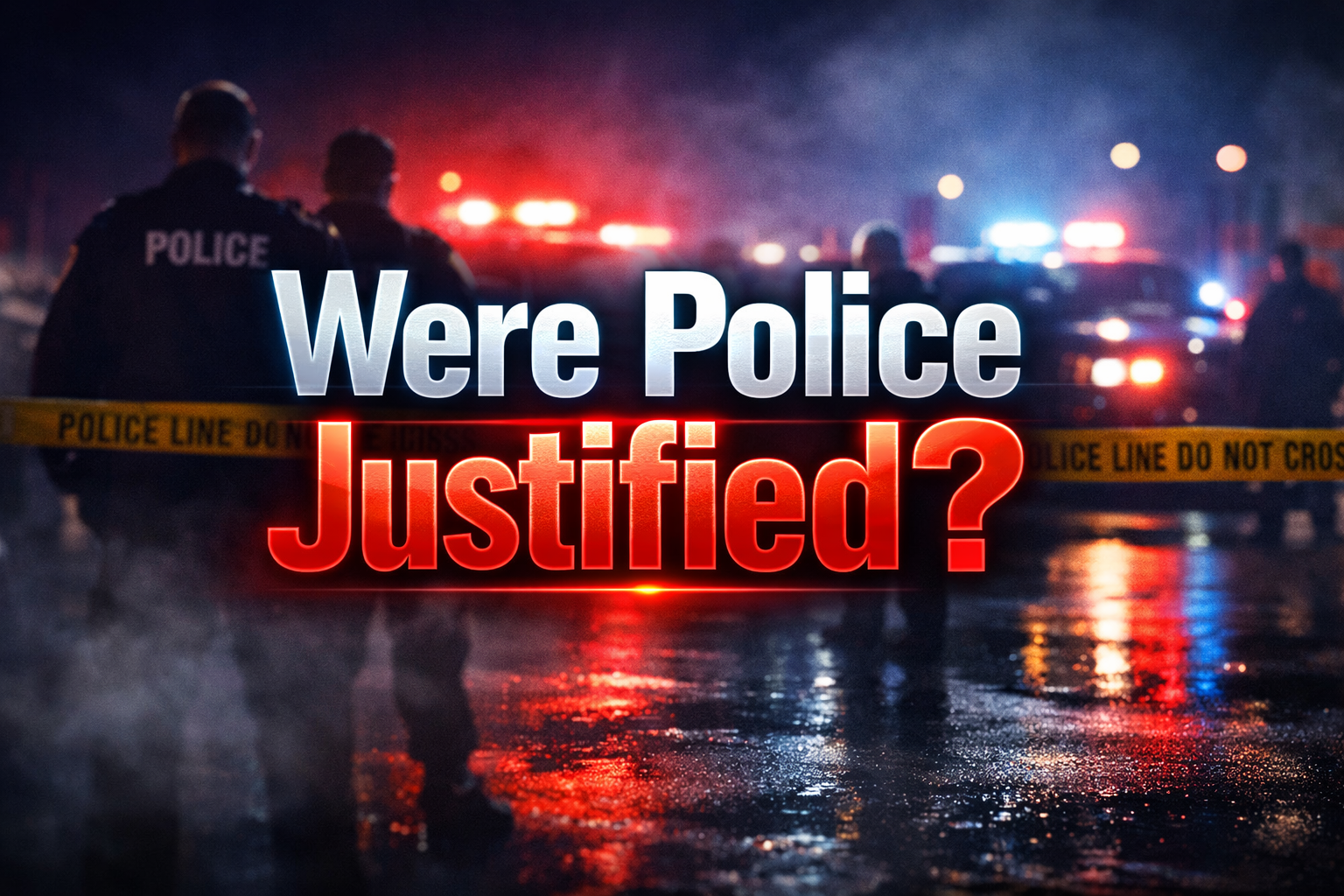
That report triggered a police response — and for some readers, a familiar question:
❓ Were officers justified in stepping in?
Given the circumstances, police say the answer is yes.
When healthcare providers raise red flags involving a newborn — especially one with medical complications — officers are legally obligated to act. Missed appointments, lack of follow-up care, and substance exposure at birth are all considered potential indicators of medical neglect, even if no harm is immediately visible.
🧒 Children Services Initially Closed the Case
Police contacted Scioto County Children Services, who said they had originally opened a case but later closed it after determining the mother had a prescription for the medications involved.
At first, Children Services declined to conduct a welfare check.
However, after officers brought up the parent’s prior history with law enforcement, Children Services agreed to accompany police to the residence.
🏠 What Officers Found
During the visit:

- The baby appeared okay at the time
- The mother declined to allow an inspection of living conditions
- Officers observed two large, unconfined dogs inside the home
The encounter was documented, and Children Services took over follow-up.
⚠️ Why These Calls Matter
Police stress that welfare checks involving newborns aren’t about punishment — they’re about preventing tragedy before it happens.
Officers are trained to intervene when:
- Infants miss critical medical appointments
- There’s a history of substance exposure
- Child welfare agencies have prior involvement
- Living conditions can’t be verified
Even when a child looks fine, these factors together can signal serious risk behind closed doors.
🧠 The Bigger Picture
This case highlights how fragile early life can be — and how law enforcement often becomes the last line of defense when medical and social systems don’t align.
In this instance, the child was not removed, but authorities say the situation will continue to be monitored.
If you’re ever worried about a child’s safety, officials urge you to report it. Sometimes asking uncomfortable questions is exactly what keeps vulnerable children safe.