
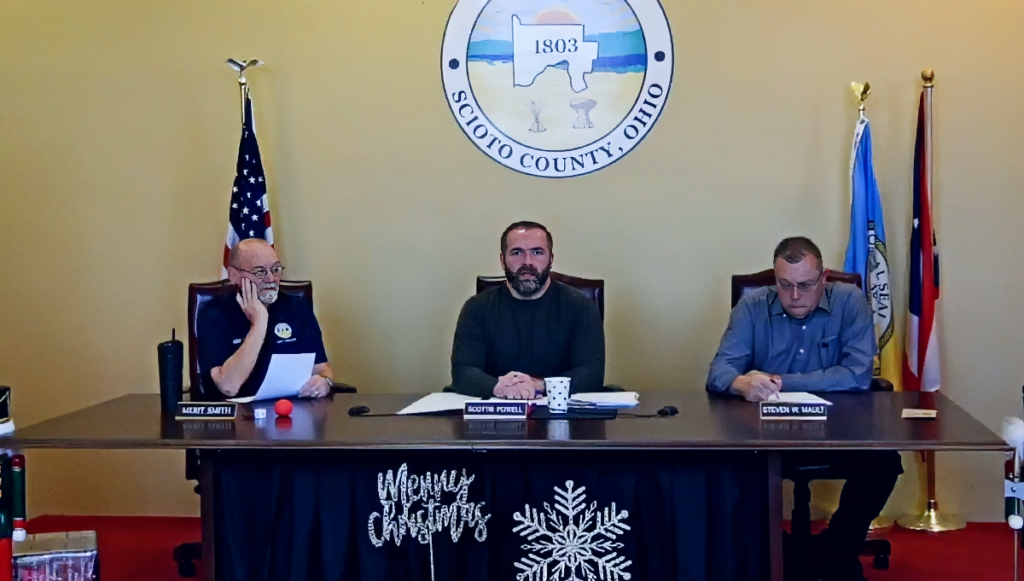
If 2025 exposed anything, it was how fragile—and opaque—the county’s approach to economic development had become.
The year was defined by the scandal surrounding Robert Horton, whose case upended confidence in the county’s economic development operation and forced commissioners to confront a difficult reality: the existing system was no longer sustainable.
Since then, commissioners have repeatedly hinted that major changes are in the works, teasing a reimagined economic development structure meant to prevent similar failures in the future. But those same commissioners have also said discussions remain confidential, citing ongoing negotiations and legal sensitivities.
For many residents, that explanation has stirred familiar concerns.
A Promise of Change — With Few Details
Commissioners have acknowledged that “business as usual” is no longer acceptable and that a new framework is being discussed behind closed doors. What that framework looks like, however, remains unclear.
Among the possibilities being quietly floated:
- A Port Authority–style model, separating economic development from day-to-day county operations
- A standalone nonprofit, designed to attract private investment with less political entanglement
- A regional partnership, pooling resources with neighboring counties or cities
Each option carries trade-offs—especially when it comes to oversight, public records, and accountability.
Transparency Fears Resurface
The secrecy surrounding these discussions has raised red flags for critics who argue that economic development decisions should never be made without public visibility, particularly after a scandal rooted in trust and oversight failures.
Residents remember:
- Deals announced after decisions were already made
- Limited public input
- Contracts and incentives that were difficult to track
For some, the lack of transparency now feels less like prudence and more like déjà vu.
Why the Stakes Are High
Economic development isn’t just about attracting ribbon-cuttings. It determines:
- How public money is spent
- Who gets access to incentives
- Whether local workers see real job growth—or just press releases
With the county already facing a tight 2026 budget, the margin for error is slim. A misstep now could cost millions—or deepen public distrust.
What to Watch in 2026
- Whether commissioners formally announce a new economic development structure
- If public meetings or hearings are held before major decisions are finalized
- How transparency and public records laws apply to any new entity
- Whether economic development shifts toward regional collaboration or remains county-controlled
- Who ultimately holds the purse strings—and the accountability