















































































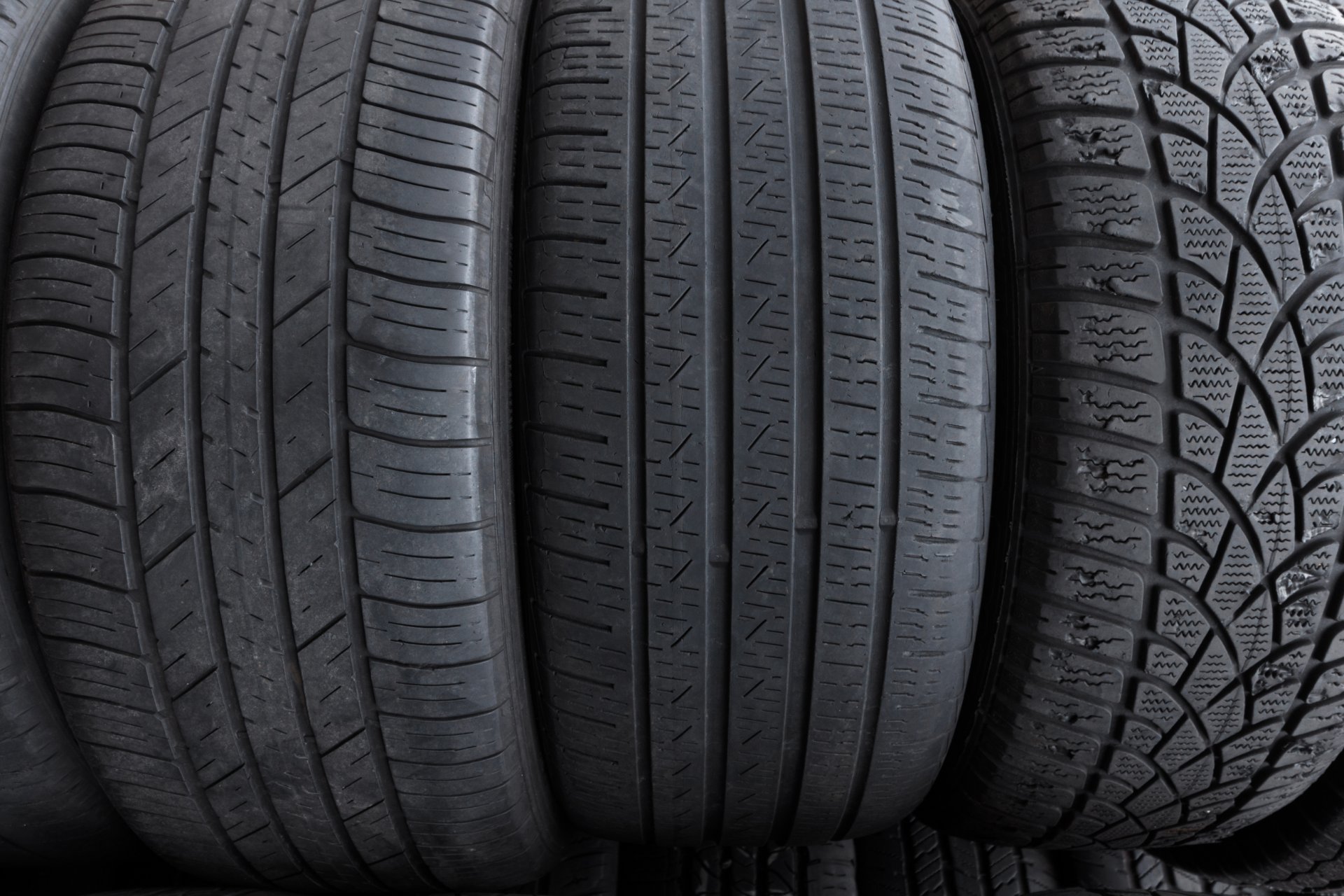
Buying tires can feel confusing when every option promises better traction, longer wear, or a quieter ride. For many drivers, the tread pattern may look like a design detail, but it plays a real role in how a vehicle handles rain, heat, curves, braking, and daily road conditions.
Understanding tire tread patterns can help drivers make a more confident choice, especially in areas where weather, rural roads, and highway driving can all show up in the same week. Below, we’ll break down what you need to know about tread patterns when buying new tires.
Why Tread Patterns Matter
Tread gives a tire its grip. The shape and direction of the tread help move water away from the tire, maintain contact with the road, and support stable handling. A tire with the wrong tread pattern may still fit the vehicle, but it may not match the driver’s routine.
Tread patterns matter because overlooking them is one of the most common tire-buying mistakes to avoid. Someone who drives mostly around town may need a different tire than someone who travels long highway stretches or drives on hilly backroads. That is why tread should factor into the decision alongside size, price, brand, and warranty.

Symmetrical Tread Supports Everyday Driving
Symmetrical tread patterns use the same design across the tire. These tires usually suit everyday driving because they provide steady performance, smooth handling, and dependable tread life. Drivers who use their vehicles for commutes, errands, school drop-offs, and short trips will find this pattern a practical option.
Directional Tread Helps in Wet Conditions
Directional tread patterns point one way and usually form a V-shaped design. This pattern helps push water away from the center of the tire, which can improve control on wet roads.
This type of tire can make sense for drivers who deal with heavy rain, puddling, or slick pavement. However, directional tires must face the correct way when mounted, so proper installation matters.
Asymmetrical Tread Balances Grip and Comfort
Asymmetrical tread patterns use different designs on the inner and outer parts of the tire. One side may help manage water, while the other supports cornering and road contact.
This pattern can work well for drivers who want a mix of comfort, traction, and control. It may cost more than a basic tire, but it can provide a balanced option for family vehicles, sedans, crossovers, and some SUVs.
Tread Choice Should Match Real Driving Habits
An important thing to know about tread patterns when buying new tires is that they should match your driving habits. A person who drives mostly in town may not need the same tread as someone who travels long distances, carries heavier loads, or spends more time on winding roads.
Drivers should also think about tread life, road noise, fuel efficiency, and seasonal needs before making a purchase. Reviewing common tire-buying mistakes can help shoppers avoid choosing tires based only on price, appearance, or one advertised feature.
Conclusion
Understanding tire tread patterns gives drivers a better way to compare new tires beyond the sticker price. The tread affects traction, comfort, handling, and safety, so it deserves attention before any purchase. By matching the tread pattern to daily driving conditions, local weather, and vehicle needs, drivers can choose tires that support both confidence and control on the road.