









































































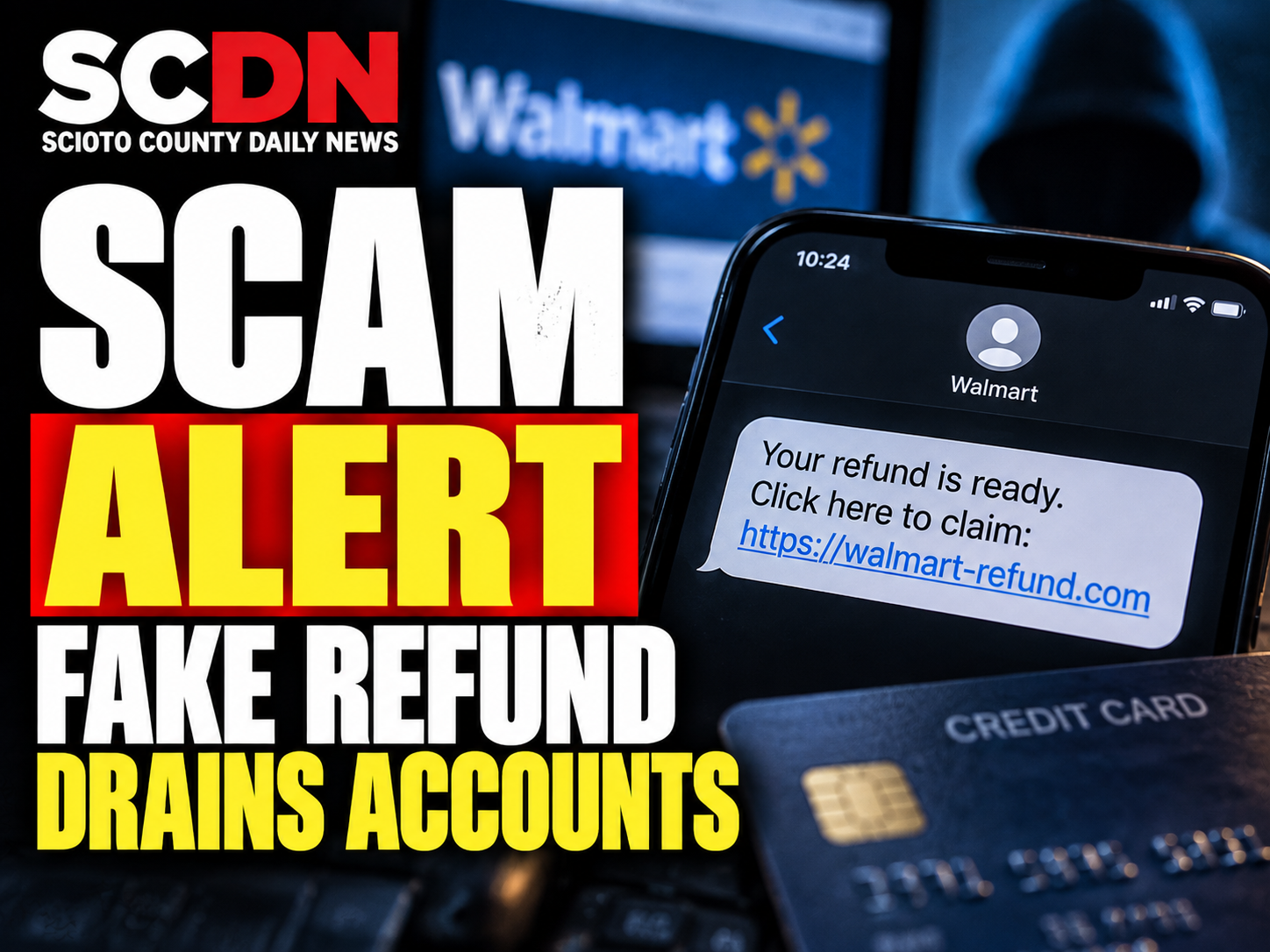
A woman who thought she was calling Geek Squad for a refund ended up losing nearly $1,000 from three different accounts.
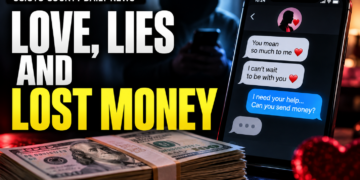
In a separate complaint, another woman told deputies about suspicious gift-card transactions connected to a man she had been communicating with through a dating app.
Both reports highlight two of the most common ways scammers get people to send money: fake refund schemes and online romance scams.
Fake Geek Squad Charge Turns Into Bigger Loss
A woman told deputies she received an email showing a $379 charge and called the number listed in the message to ask for a refund.
She said the people on the phone claimed to work for Geek Squad and transferred her between three different people.
Instead of getting money back, she reported losing:
- $465 from her Chime account
- $210 through Cash App
- $310 from her U.S. Bank account
That adds up to $985 allegedly taken from her accounts.
The woman said she repeatedly questioned whether the people she was talking to were really Geek Squad employees, but they continued assuring her they were legitimate.
Eventually, she told them she’d contacted the Sheriff’s Office.
According to the report, the callers then admitted they had scammed her and hung up.

A deputy tried calling the telephone number she provided but was unable to reach anyone. Investigators also had no reliable location information for the people involved.
The Federal Trade Commission has specifically warned consumers about fake Geek Squad renewal and refund emails. The scam often starts with a message claiming you’ve been charged hundreds of dollars and telling you to call a number to cancel or get a refund. The person on the other end isn’t Geek Squad.
Dating App Contact and Gift-Card Transactions
In a separate case, another woman reported two unauthorized or suspicious transactions through a digital gift-card service.
The charges were for $55.28 and $22.83, plus fees.
She told deputies she had been communicating with a man through a dating app and by email.
The portion of the report provided does not explain exactly how the gift-card transactions were connected to that relationship or whether investigators determined the man was responsible, so that remains unclear.
However, gift cards are a major warning sign in online romance scams.
The FTC says romance scammers often build trust through dating apps or social media, then eventually ask for money. They commonly steer victims toward gift cards, payment apps, wire transfers or cryptocurrency because those payments can be difficult to reverse.
How to Avoid These Scams
The biggest rule is simple: don’t use the contact information in an unexpected email or text to verify whether the message is real.
If an email says Geek Squad, your bank, Amazon or another company charged you, close the message and look up the company’s official contact information yourself. The FTC specifically recommends contacting the company through a number or website you already know is legitimate.
Also watch for these red flags:
- Someone claiming to issue a refund asks for access to your computer, bank account or payment apps.
- A stranger tells you money must be moved to “protect” it.
- Someone insists on gift cards, Cash App, wire transfers or cryptocurrency.
- An online romantic interest you’ve never met asks for money or gifts.
- The caller pressures you to act immediately or tells you not to contact your bank, police or the company directly.
The FTC’s advice for online romance is especially simple: never send money or gifts to someone you’ve never met in person.
If you’ve already sent money, contact the bank, payment app or gift-card company immediately and ask whether the transaction can be stopped or reversed. The faster you act, the better the chance of recovering at least some of the money.