
















































































Two separate fraud reports filed with the Lawrence County Sheriff’s Office show just how convincing modern scammers have become — and how quickly victims can lose thousands of dollars before realizing something is wrong.
One case involved a fake computer crash warning.
The other involved a fake sheriff’s deputy threatening arrest over missed jury duty.
And deputies say both scams follow patterns that are becoming increasingly common across the country.
Elderly Woman Loses Thousands After Fake “HP Crash” Alert
Deputies first responded to a home in Chesapeake after an elderly woman reported being scammed through a fake computer support scheme.
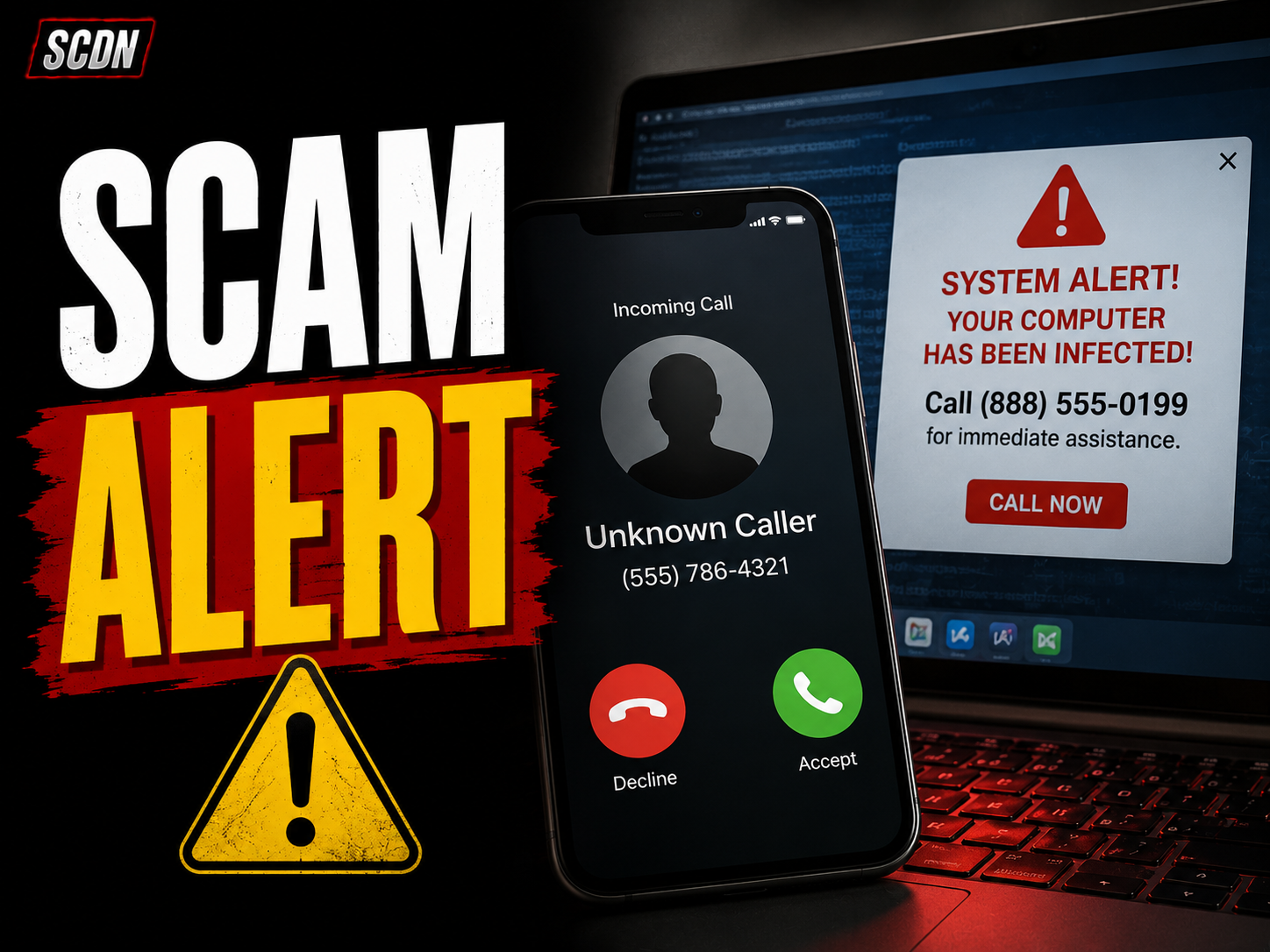
According to the report, the woman received what appeared to be an “HP crash notification” on her laptop instructing her to call a support number for assistance.
After calling the number, she was allegedly told her computer had serious issues and that a “fraud department” representative would contact her on her landline phone.
Investigators say the caller convinced the woman he could repair the computer remotely.
Then came the money requests.
According to the report, the victim was instructed to travel to stores including Lowe’s and The Home Depot and load thousands of dollars onto gift cards.
Before the scam was over, she had reportedly purchased:
- three $2,000 gift cards
- one $1,000 card
- and one $500 card
for a total loss of approximately $7,500.
Deputies collected receipts and seized the victim’s laptop in hopes investigators may be able to recover digital evidence connected to the scam operation.
Woman Sends Money After Fake Deputy Threatens Arrest
In a second incident, deputies responded to Sam’s Club after a woman reported receiving a frightening phone call from someone claiming to be a deputy with a sheriff’s office in Florida.
According to the report, the caller told the woman she had missed jury duty and now faced:
- contempt of court charges
- failure to appear charges
- and an active warrant for her arrest
The caller allegedly claimed she owed more than $6,000 in fines and court costs.
The woman explained she had moved out of state months earlier and did not believe she had ever received a jury summons.
But the scammer reportedly had an answer ready for everything.
According to the report, the fake deputy claimed someone had signed for the jury notice and told the woman she could “freeze the charges” by posting a bond payment immediately.
Fearing arrest, the woman complied and sent $500 through Cash App.
Only later did she realize the call was a scam.
Portsmouth Police Issues Warning
The Portsmouth Police Department warned residents about a scam in which callers spoof the department’s dispatch number and pose as detectives demanding payment for fake fines. The scammers threaten arrest warrants if victims do not pay immediately over the phone. Police emphasized they never collect fines by phone and urged residents not to give out banking or card information to unsolicited callers. They also suggested calling them, or any company being represented, independently for verification.
How These Scams Work
Deputies say scammers often rely on:
- fear
- urgency
- confusion
- and intimidation
to stop victims from thinking clearly.
The scams are especially effective because criminals:
- spoof official phone numbers
- use real company names
- impersonate police or tech support workers
- and pressure victims into acting immediately
Major Red Flags to Watch For
Tech Support Scams
Real computer companies:
- do NOT randomly contact you about viruses
- do NOT demand gift cards
- do NOT ask for remote access unexpectedly
If your computer suddenly displays:

- flashing warnings
- loud alarms
- or messages telling you to call support immediately
it is often a scam designed to panic you.
Fake Police/Jury Duty Scams
Real law enforcement agencies:
- do NOT demand payment over the phone
- do NOT accept gift cards or Cash App for fines
- do NOT threaten immediate arrest unless money is sent instantly
Scammers commonly use:
- fake warrants
- jury duty claims
- missed court notices
- or threats involving Social Security numbers
to pressure victims.
How to Protect Yourself
Experts recommend:
- never giving remote access to strangers
- never paying bills with gift cards
- hanging up and independently calling agencies back using official numbers
- freezing your credit if sensitive information may have been exposed
- and speaking with family members before sending money under pressure
Victims should also:
- monitor bank accounts closely
- change passwords immediately
- enable two-factor authentication
- and report incidents quickly to law enforcement and financial institutions
Because once scammers get access to:
- your devices
- your accounts
- or your trust
they often keep trying for more.