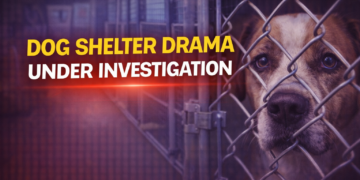
If you’ve noticed more dog bite incidents recently in Scioto County, you’re not imagining it. Dog Warden Heather Stevens has seen an uptick in bite cases, and a new law under consideration could add more pressure on an already overwhelmed system.
“We’ve got 24 kennels and two quarantine kennels, and we fill them up really quick,” Stevens said. “I need more quarantine kennels for all these bite calls, it’s nuts.”
Under current law, dogs involved in bite incidents can be quarantined at home if the owner pays fines and adheres to guidelines. However, a new bill—House Bill 247 (Avery’s Law)—could change all that. If passed, all dogs involved in bite incidents, whether provoked or not, will be impounded at the county shelter for a mandatory 10-day quarantine, with no home quarantine option.
“I’ve done 13 bites in the last month,” Stevens explained. “Under the new law, that would mean 13 dogs would be impounded for 10 days each, plus 13 court dates. The judge is going to hate me. We’re already maxed out, and the rescues won’t take these dogs with bite histories.”

Currently, owners can get their dog back after paying fines and waiting out the quarantine period. But under the new law, they’d need to request permission from a judge—putting further strain on the court system, which is already burdened.

And it’s not just the dog shelter facing a challenge. With a tight county budget and no expected increase in funding, Scioto County may not have the resources to handle this added responsibility.
HB 247, which passed the Ohio House on June 18, is part of an effort to update Ohio’s Dangerous and Vicious Dog Laws. If the bill becomes law, it will introduce several changes, including:
- Mandatory euthanasia for dogs that seriously injure or kill a person.
- Liability insurance requirements for owners of dangerous or vicious dogs.
- Increased registration fees for dangerous dogs.
- Mandatory impoundment of dogs while cases are pending.
- Stiffer criminal penalties for negligent dog owners.
The bill, which is now under consideration by the Ohio Senate, seeks to enhance public safety in response to the high number of dog attacks in Ohio, with an estimated 17,000 to 34,000 attacks annually.
Stevens worries about the impact this could have on the shelter’s ability to manage the influx. “With what little we have and then that happens, I don’t know what we’re going to do.” If the bill passes, the county will be faced with the tough challenge of accommodating more dogs and more court cases—all without additional funding or resources”.