











































































Portsmouth City Council will take a first look Monday at a proposed ordinance aimed at keeping grease, oil, chemicals, and other damaging substances out of the city’s sewer system.
The amendment was requested by the Sewage Treatment Department and would update Chapter 921 of the city’s sewer rules. The main goal is to stiffen rules and penalties for dumping fats, oils, and grease into the sewer system.
This is only the first reading of the proposed ordinance. Amendments require three readings before council votes on final passage.
Why Grease Is a Problem
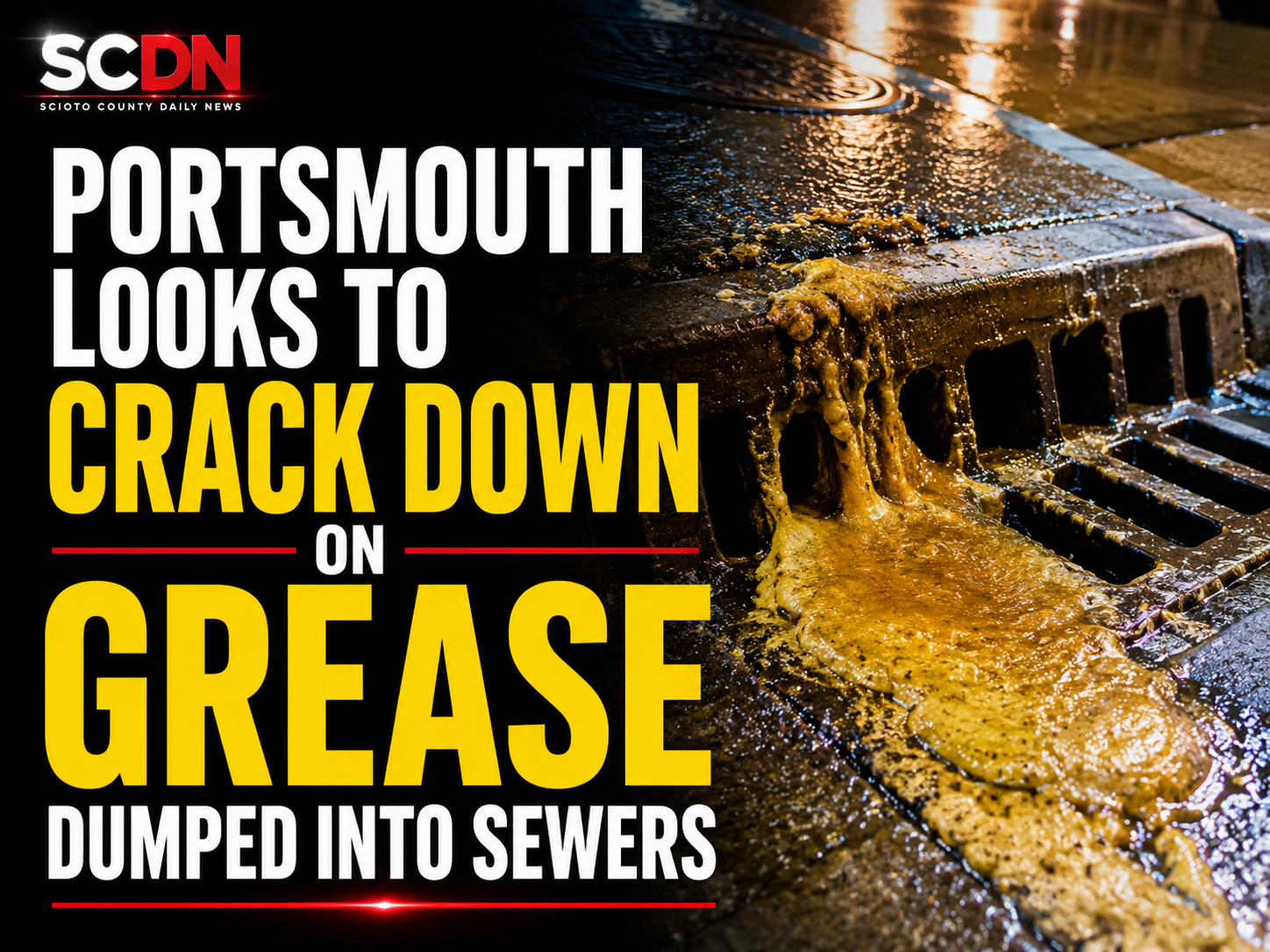
Grease may go down the drain as a liquid, but it can cool, harden, and build up inside sewer lines.
Over time, that can cause clogs, backups, damaged equipment, sewer overflows, and costly repairs.
City officials are especially focused on what is known as FOG, which stands for fats, oils, and grease. That can include cooking grease, fryer oil, food waste residue, petroleum-based oils, and other substances that can gum up the sewer system or interfere with the treatment plant.
Restaurants and Food Businesses Would Face New Requirements
Under the proposed rules, food service establishments and other users identified by the city would have to create a written Fats, Oils, and Grease Best Management Plan.
In plain English, that means restaurants and other businesses may have to spell out:
- Where grease is produced on site
- How grease is handled and cleaned up
- How often grease traps or interceptors are inspected and cleaned
- What procedures employees follow to keep grease out of sewer lines
- How records are kept
The plan would have to be signed and dated by a responsible company official.
Businesses would also have to follow the plan and keep inspection and cleaning records for three years.
If requested, those records would have to be made available to inspectors from the Portsmouth Sewer Department or Portsmouth City Health Department.
What Would Be Banned?
The proposed ordinance does not stop with cooking grease.
It would prohibit dumping anything into the sewer system that could block, damage, overload, disrupt, or create hazards for the city’s wastewater system.
Examples include:

- Fats, oils, and grease
- Construction materials
- Sand, mud, ash, straw, rags, metal, glass, plastic, wood, wax, or similar solids
- Gasoline, kerosene, benzene, or other flammable materials
- Extremely hot wastewater
- Corrosive substances
- Wastewater with dangerously high or low pH levels
- Toxic or poisonous substances
- Waste that creates dangerous fumes or gases
- Radioactive waste, except under strict legal conditions
- Used oil
- Hazardous waste
- Trucked or hauled waste, except at approved discharge points
- Decontamination wastewater without prior approval
The proposal also sets a limit on hydrocarbon fats, oils, and grease at no more than 200 milligrams per liter.
City Could Charge Offenders for Damage
The penalty section would also be updated.
If someone discharges something that damages the sewer system, the wastewater treatment plant, or the city’s stormwater system, the city could assess the cost of repairs and related expenses against that person or business.
Those costs could be added to the person’s sewer bill, giving the city another way to collect the money.
The ordinance also keeps penalties for illegal sewer connections. If the City Engineer orders someone to remove an illegal sewer connection, they would have 30 days to do it. Each day after that deadline could count as a new offense.
What Happens Next?
Council will not make a final decision Monday unless the rules are suspended. Under the normal process, the amendment must receive three readings before council votes.
If approved, the new rules would give the city stronger tools to prevent grease, oil, chemicals, and other damaging materials from entering the sewer system.
For residents and businesses, the message is simple: the sewer system is not a dumping ground. What goes down the drain can come back as a clogged line, a damaged treatment system, or a repair bill.