













































































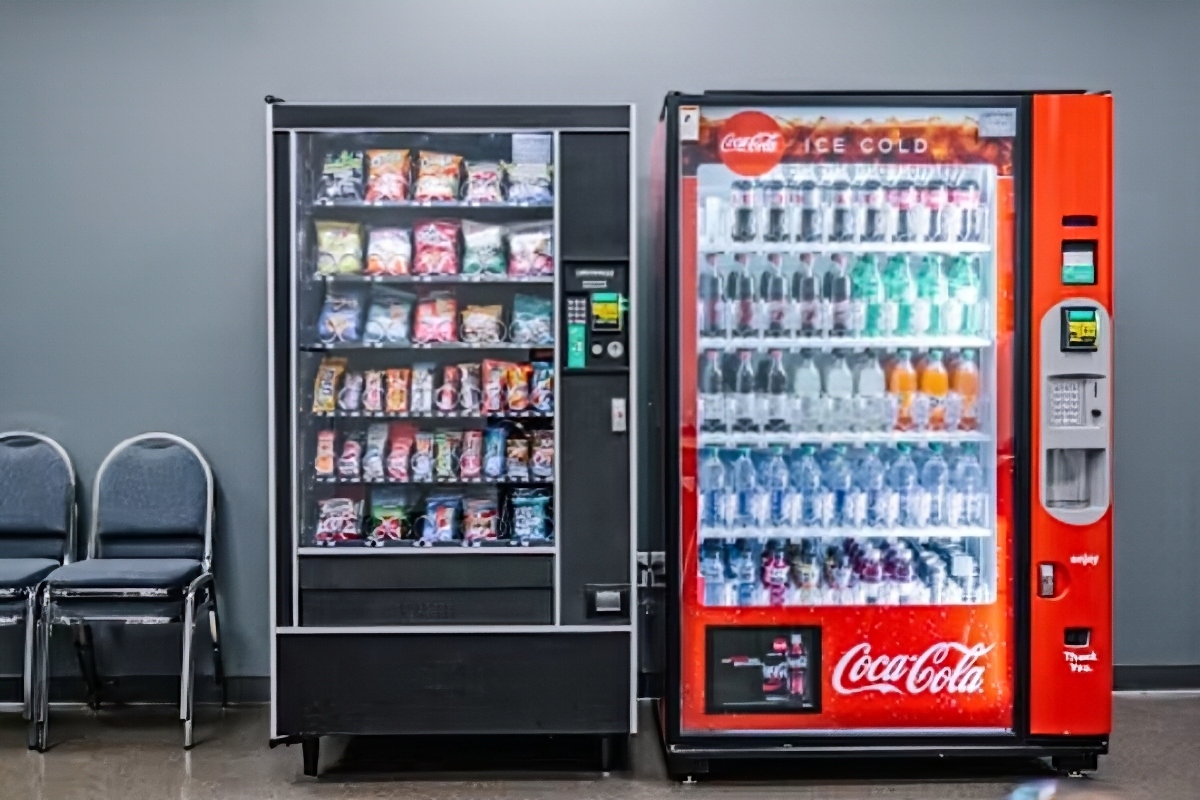
The value of a vending machine to any workplace comes from its functionality when an employee tries to use it.
An empty coil, a malfunctioning money reader, or a machine that was broken for a week is not just inconvenient for employees, but it actually undermines the entire point of having one in the first place.
That said, keeping a fleet of machines genuinely reliable takes more than dropping off equipment and hoping for the best. It requires regular stocking, repair, updates, and making sure they comply with certain safety regulations, which most companies do not have time to take care of on their own.
Professional vending companies have been created especially for such purposes, ensuring machines’ service as opposed to their installation only. In Charlotte and beyond, businesses that partner with an experienced provider tend to see far fewer breakdowns and far more satisfied employees.
Here’s a closer look at exactly what goes into keeping vending machines running smoothly day after day.
1. Free Installation and Machines Matched to the Space
Reliable performance starts before a machine is even plugged in. That said, in order to select a vending machine – a snack machine, a beverage dispenser, or even a combination vending machine – one needs to consider the dimensions of space where it will be placed, the level of traffic of people in that place, and most importantly, what the employees would really prefer to purchase there.
Hence, working with a professional vending machine service means installation and equipment selection are handled at no cost to the business, with the provider assessing the space and recommending machines suited to it rather than a business guessing at what might fit or sell well.
It also means the business isn’t stuck financing equipment upfront, since the provider retains ownership and responsibility for the machine itself while the business simply benefits from having it on-site.
2. Regular Stocking Keeps Machines Running and Popular Items Available
A perfectly functioning machine is still a failure if it’s empty. Consistent, scheduled restocking is one of the most basic but essential parts of professional vending service, ensuring that popular snacks, drinks, and food items don’t sit sold out for days at a time.
Beyond simply refilling coils, an experienced provider tracks which items move quickly and which ones sit untouched, adjusting the product mix over time so machines reflect what employees actually want rather than a generic, unchanging lineup. This kind of ongoing attention is difficult for a business to replicate internally without dedicating staff time to a task that has little to do with its core operations.
A local team that services the same machines on a predictable schedule also tends to notice patterns faster, such as a particular item selling out every week, and can adjust future deliveries accordingly rather than waiting for complaints to prompt a change.
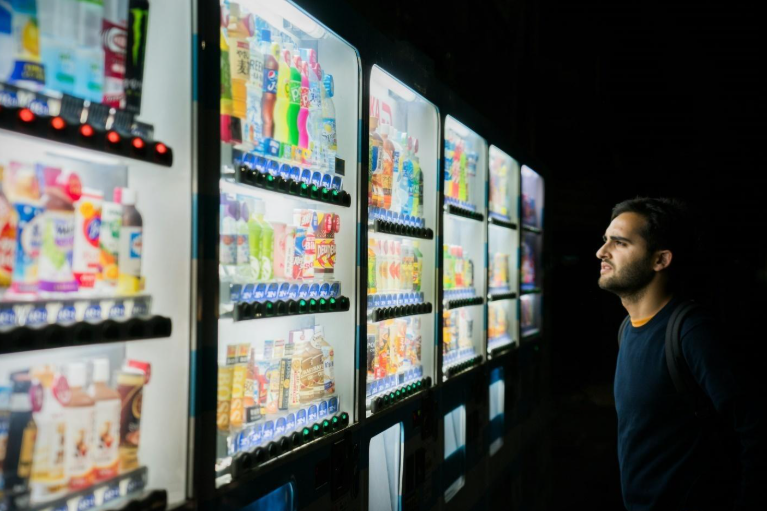
3. Preventive Maintenance Catches Problems Before They Cause Downtime
Vending machines are mechanical devices, and like all other mechanical devices, small problems are bound to become big ones when they are ignored. Worn coil motors, malfunctioning compressors in refrigerators, or payment readers that are beginning to malfunction all risk ending up being full-on faulty vending machines.
The professional maintenance services not only provide the necessary repairs but also conduct maintenance checks during each visit, instead of waiting for the machines to fail before conducting maintenance. This strategy ensures that vending machines stay in good working order much more often than a reactive strategy of dealing with complaints from employees.
Moreover, companies are spared from receiving angry complaints about malfunctioning vending machines that have been unused for several days due to a lack of supervision.
4. Modern Cashless Payment Technology Reduces Lost Sales
Fewer people carry cash than they used to, and a vending machine that only accepts coins and bills is quietly losing sales every time someone walks away empty-handed. Machines equipped with cashless payment technology, including tap-to-pay options like Apple Pay and Google Pay, remove that friction entirely, letting employees make a purchase in seconds regardless of what’s in their wallet.
This isn’t just a convenience upgrade; it directly affects how much a business benefits from having a machine on-site at all, since a payment barrier that turns away even a small percentage of potential purchases adds up considerably over a full year of daily use. Businesses that upgraded from cash-only equipment often find that transaction volume increases noticeably once the payment barrier is removed, simply because more of the workforce is able to use the machine without a second thought.
 5. Compliance with Food Safety and Labeling Regulations
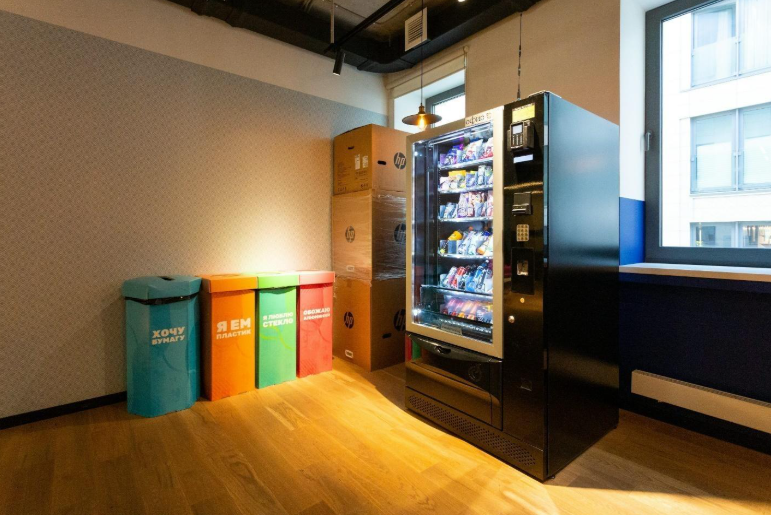
Vending machines that dispense food and drinks face actual regulatory standards that must be met, and adherence is not optional when operating a number of vending machines.
According to the U.S. Food and Drug Administration’s standards on vending machines, vending machine operators who manage 20 or more vending machines must provide information regarding the caloric content of their products. This allows customers to make an informed decision about their purchases. Professional vending machine operators incorporate this adherence to regulations as part of their regular practices and cleaning.
Therefore, businesses that use the equipment need not worry about monitoring changes in food safety laws.
6. Supporting Employee Breaks and Workplace Wellbeing
A well-stocked, reliably functioning vending machine does more for a workplace than satisfy a craving; it supports the kind of short breaks that research consistently links to better focus and reduced fatigue throughout the workday.
Studies also show that frequent, brief rest breaks are more effective against fatigue than a few longer ones, and an easy, reliable place to grab a snack or drink nearby makes those short breaks far more practical for employees to actually take. A breakroom with a dependable vending option removes a small but real barrier to stepping away from a desk, supporting the kind of workplace habits that keep people sharper and more engaged over the course of a shift.
Wrapping Up
Effective vending does not rely on the presence of just one good machine; it relies on proper installation, stock management, maintenance, state-of-the-art payment systems, compliance with laws, and an understanding of the importance of break room conveniences in the first place.

By partnering with a professional vending company, companies can do away with the trouble of doing all of these tasks themselves, while employees get to use the equipment that actually exists and works for them. Micro markets and smart coolers are more advanced options, but they share the same principle of providing businesses with managed conveniences.
For any business wondering whether it should go for professional vending services, the added value is clear by looking at the contrast between having a vending machine and having a functional vending machine.