


















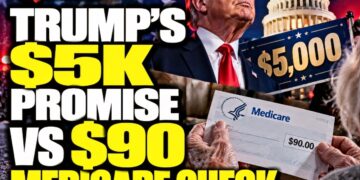

























































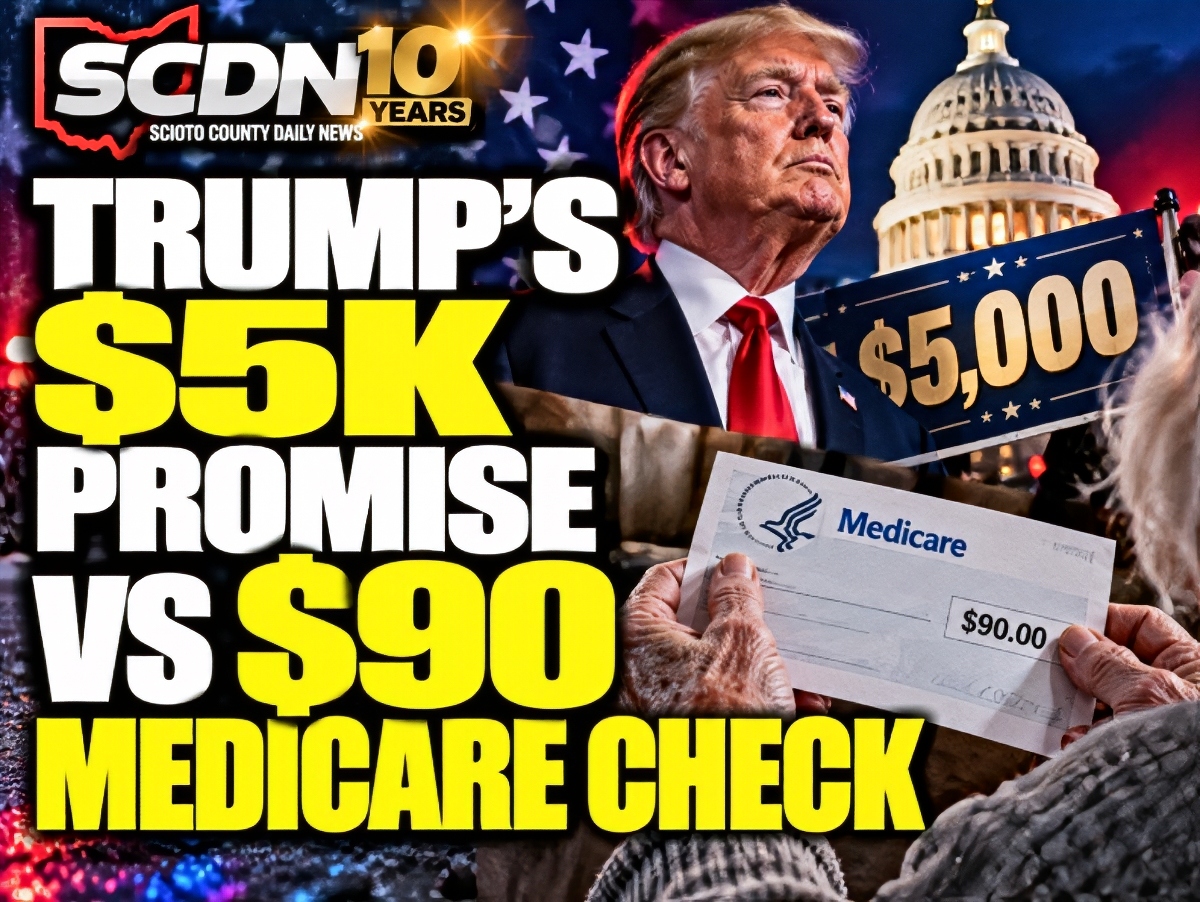
First came the $5,000 election promise. Then came the $90 Medicare checks. Now, with the November 3 midterm elections approaching, a Trump letter landing in American mailboxes is raising a question: Is this healthcare relief, political marketing, or a little of both?
President Donald Trump has announced two very different financial initiatives in the weeks leading up to the election. One promises every adult American citizen $5,000 if Republicans retain control of Congress. The other delivers a one-time $90 payment to approximately 20.8 million eligible Medicare beneficiaries.
The $5,000 remains a proposal. The $90 payment is real.
But the timing of the smaller payment, accompanied by a letter signed by the president and promoting his administration’s accomplishments, has prompted critics to question whether the White House is attempting to win goodwill among one of America’s most dependable voting groups.
The $5,000 Promise Comes With a Catch
On September 9, Trump addressed the Republican midterm convention in Dallas and announced a proposed $5,000 dividend for every adult U.S. citizen.
There was one major condition: Republicans would have to retain control of both the House and Senate in the November 3 elections.
The White House repeated the promise in an official announcement the following day.
However, the administration has not established an approved payment program or explained precisely how it would finance checks estimated to cost approximately $1.2 trillion.
FactCheck.org reported that projected tariff revenues would fall far short of covering the expense.
That leaves the proposed $5,000 payment as an election-contingent presidential promise rather than money Americans can currently collect.

Then Came the $90 Medicare Surprise
On October 2, the White House announced that eligible Medicare beneficiaries would receive a one-time $90 payment to offset their October Part B premiums.
The money comes from the Medicare Improvement Fund, established by Congress in 2008.
According to the Centers for Medicare & Medicaid Services, approximately 20.8 million people qualify for the payment, with most receiving direct deposits around October 8 and others receiving Treasury checks later in the month.
The $90 provides some immediate financial relief, but it does not permanently lower Medicare premiums.
In fact, the standard Medicare Part B premium increased from $185 per month in 2025 to $202.90 in 2026.
The one-time rebate covers approximately 44% of a single month’s standard premium.
It is also a separate program from the proposed $5,000 dividend, not a partial payment toward that promise.
A Presidential Letter — Just Weeks Before Election Day
The money itself is only part of the story.
An October 8 letter signed by Trump informs recipients that they are receiving a $90 payment. But rather than limiting the message to Medicare benefits, the letter also promotes the administration’s broader healthcare accomplishments.
It discusses prescription drug prices, rural healthcare investments, government accountability, and Trump’s efforts to lower healthcare costs.
The correspondence reads partly as a benefits announcement and partly as a Trump message highlighting his record.
That distinction matters because the letters are reaching beneficiaries less than a month before voters decide control of Congress.
The Washington Post reported October 8 that Democrats and advocates for older Americans criticized the administration’s direct communications with Medicare recipients as politically motivated.
The White House has defended the payments as an effort to return healthcare funds to patients.
There is no established evidence that the administration created the payment specifically to influence votes. Nevertheless, the timing, intended recipients, and content of the presidential letter make the political implications difficult to ignore.
Why Medicare Recipients Matter at Election Time
Older Americans are among the most consistent participants in federal elections.
According to the U.S. Census Bureau, Americans 65 and older accounted for 30.4% of voters in the 2022 midterms, even though they represented only 23.8% of the eligible voting-age citizen population.
In other words, older Americans made up a larger share of the electorate than their share of eligible citizens.
Medicare also covers some younger Americans with disabilities, so not every rebate recipient is a senior citizen. Still, the program reaches a substantial population of older Americans at a time when political campaigns are competing for voter attention.
The administration’s $90 rebate was not universally available to Medicare recipients, either.
Approximately 35 million people enrolled in Medicare Advantage are excluded, along with beneficiaries whose Part B premiums are paid through Medicaid and those paying income-related premium surcharges.
The Associated Press reported that fewer than one-third of Medicare recipients qualify for the payments.
Critics See an Election-Year Gesture
Democrats have questioned whether the $90 payments meaningfully address rising healthcare costs.
Sen. Ron Wyden of Oregon, the ranking Democrat on the Senate Finance Committee, criticized the rebate as an attempt to improve Trump’s political standing rather than deliver lasting healthcare affordability.
Juliette Cubanski, director of KFF’s Medicare policy program, told the Associated Press that the payment could help recipients but might not go very far.
Trump spokeswoman Allison Schuster defended the program, saying the administration was putting money directly into Medicare patients’ hands.
Both points deserve consideration.
For someone struggling to pay for groceries, prescriptions, or utilities, an unexpected $90 could provide meaningful short-term help.
But critics argue that a single payment does not solve the continuing expense of Medicare premiums, medications, and other healthcare costs.
The Question the Numbers Cannot Answer
The contrast is hard to miss.
One Trump announcement offers $5,000 after a Republican election victory, although the funding remains uncertain.
Another delivers $90 to eligible Medicare recipients immediately before Election Day, accompanied by a letter describing the president’s accomplishments.
Those facts do not prove the Medicare rebate was designed to influence the election.
They do, however, establish why the administration’s decision has attracted political scrutiny.
The distinction is especially important because the federal government regularly informs citizens about their benefits. What makes this correspondence unusual is the combination of its timing, the president’s personal signature, and the political messaging contained alongside the payment announcement.
Was the $90 rebate simply an effort to make healthcare more affordable, or did the administration also recognize an opportunity to place a favorable presidential message before millions of reliable voters?
Only evidence about the decision-making behind the announcement could definitively answer that question.
For now, the smaller payment is reaching eligible Americans, while the larger promise remains unsettled.
And with Election Day approaching, voters are being asked to evaluate both what the administration has delivered and what it says it will deliver next.