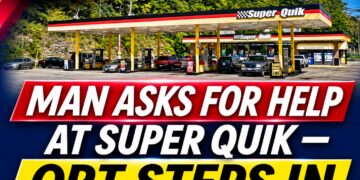














































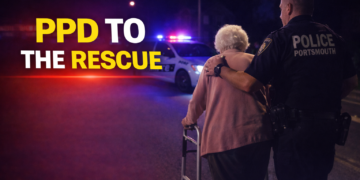

















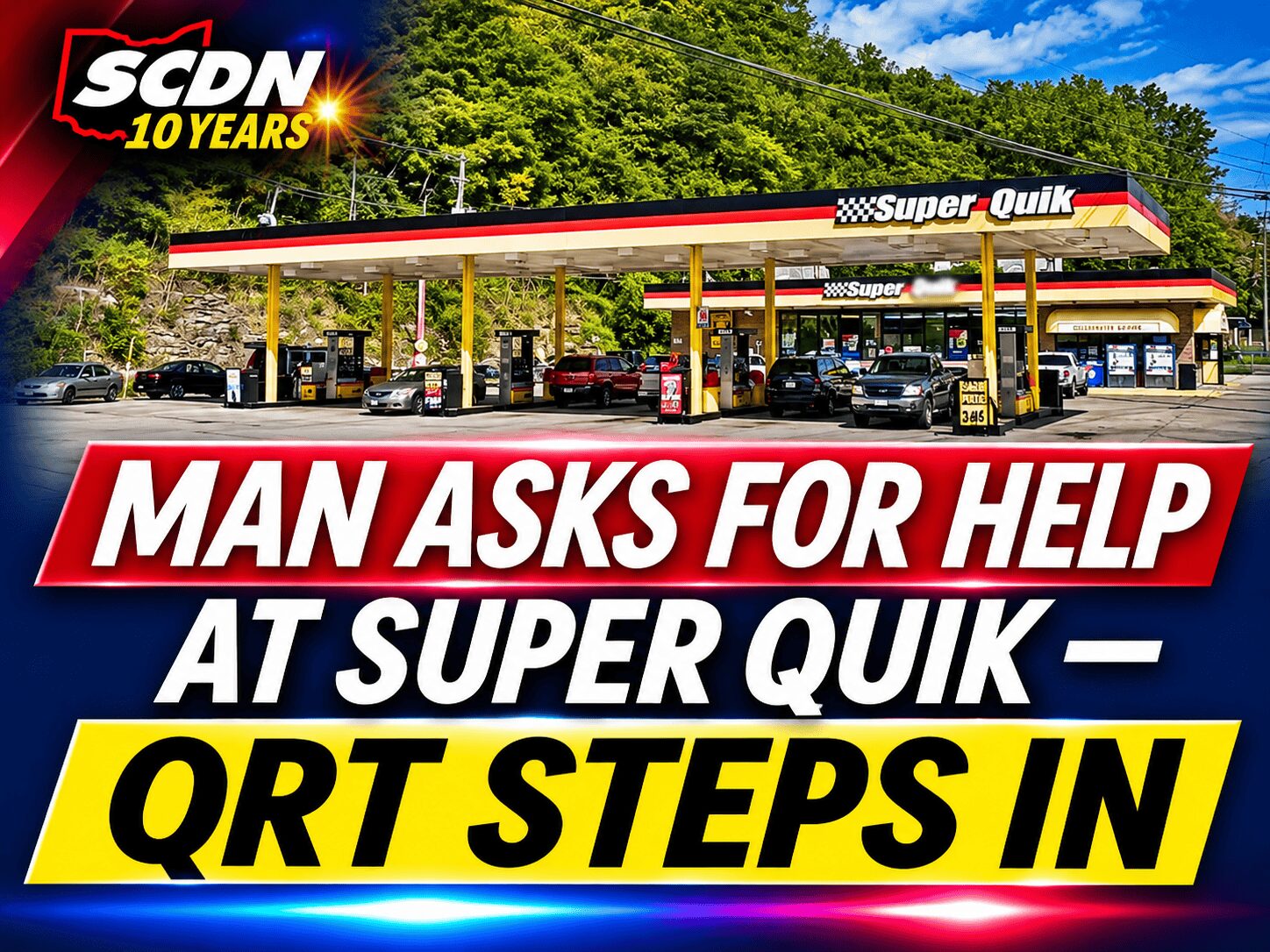
A man walked into the Super Quik on Scioto Trail just before 11 p.m. and asked an employee to call an ambulance.
The employee told dispatchers there was nothing visibly wrong with him, but he had specifically asked for help.
Portsmouth Police responded and quickly contacted the Quick Response Team, commonly known as QRT.
Within minutes, a QRT worker arrived at the store.
The man agreed to go with the team for treatment and was placed in their care.
No arrest was reported.
What Does QRT Do?
Scioto County’s Quick Response Team is part of a broader effort to connect people struggling with substance use, mental health issues or other crises with treatment and support instead of waiting until the situation turns into an overdose, arrest or medical emergency.
QRT programs generally work as a bridge between emergency responders and treatment providers.
They can meet with someone in crisis, talk through what is happening, assess what kind of help may be needed and connect that person with treatment or other services. The goal is to get people into appropriate care before they wind up deeper in the criminal justice system.
Locally, QRT personnel have repeatedly responded alongside Portsmouth Police when someone is asking for help or appears to be struggling with addiction or another behavioral-health crisis.
SCDN has previously reported incidents where officers called QRT counselors to the scene and the person involved voluntarily agreed to leave with them for treatment.
QRT personnel have also taken part in larger Scioto County drug-response efforts, where their role was specifically to connect people in need of recovery support with treatment and services.
Help Instead of Handcuffs
That distinction matters.
Not every call involving suspected drug use or a person in crisis has to end in jail.
Sometimes there is a warrant.
Sometimes officers find drugs or another crime.
Sometimes someone needs emergency medical treatment.

And sometimes the person simply says:
I need help.
When that happens, QRT can give police another option.
Instead of leaving someone on their own after the immediate crisis passes, the team can try to connect them directly with treatment, counseling, recovery support and other services.
That is what happened at Super Quik.
The man asked for help.
Police called people whose job is to help connect him with it.
And within about 20 minutes of the original call, he had voluntarily gone with QRT for treatment.