














































































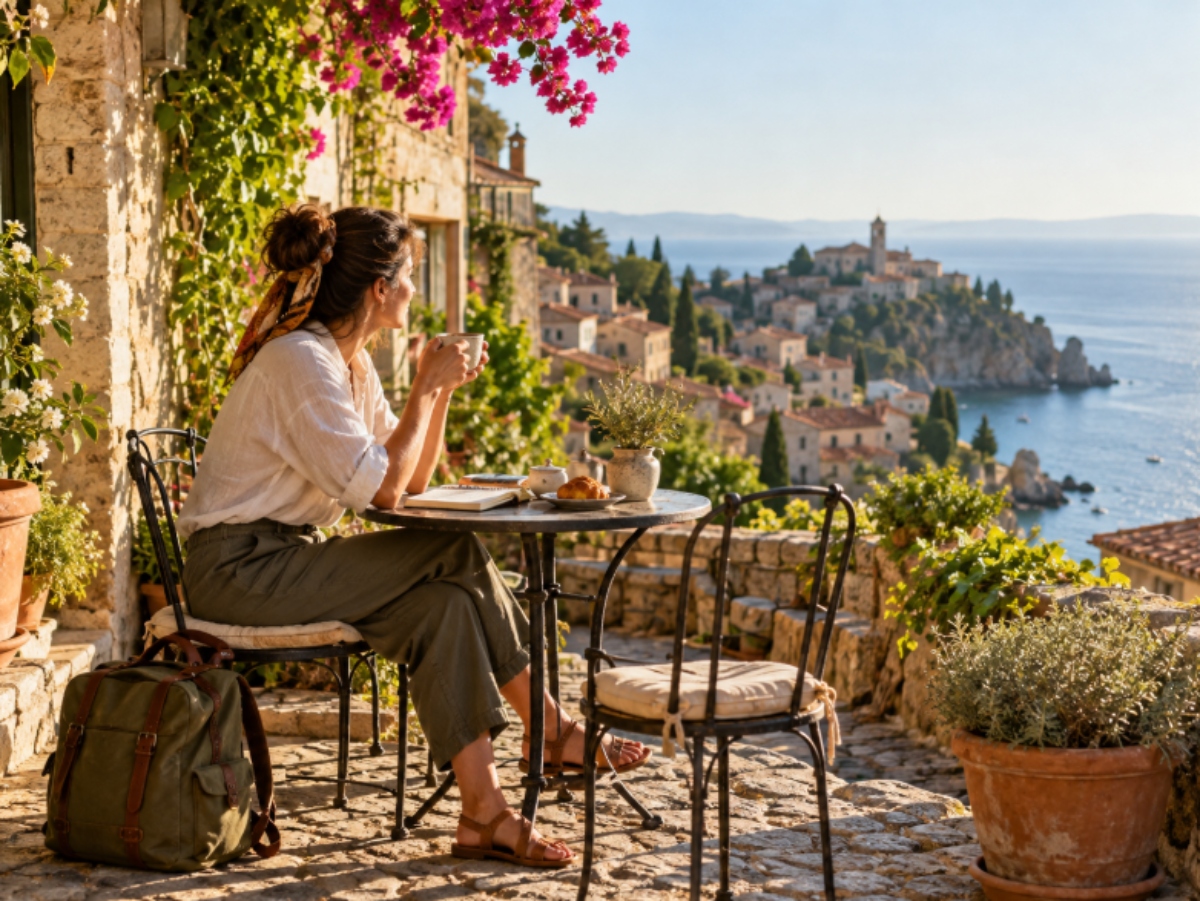
Modern travel has often been treated like a race. People plan packed itineraries, rush between landmarks, take photos quickly, and move on before they have truly absorbed where they are. While this approach can be exciting, it can also leave travelers feeling tired instead of fulfilled. In response, a different way of exploring the world has gained attention: slow travel.
Slow travel is not about doing less because of laziness. It is about doing less with greater awareness. It encourages travelers to stay longer, notice more, and connect with places beyond the surface. Instead of treating a destination like a checklist, slow travel turns it into an experience.
Choosing Depth Over Speed
The main idea behind slow travel is simple: depth matters more than speed. Visiting ten cities in two weeks may sound impressive, but it often means spending much of the trip in airports, train stations, taxis, and hotel lobbies. Slow travel asks a different question: what would happen if you spent those two weeks in one region, one city, or even one neighborhood?
Staying longer allows a place to reveal itself gradually. The first day may be about famous attractions. The second may be about finding a quiet café. By the fifth day, you may recognize the rhythm of the streets, the best time to visit the market, or the small park where locals gather in the evening. These details are rarely visible to travelers who are always moving.
Building a Real Connection
Slow travel creates space for connection. When travelers stay in one place longer, they are more likely to meet local people, learn basic customs, and understand daily life. A short trip may show what a destination looks like, but a slower trip can show how it feels.

This connection does not have to be dramatic. It might come from speaking with a shop owner, joining a local workshop, shopping at the same bakery each morning, or learning how public transportation works. These small interactions create memories that feel personal rather than manufactured.
Many travelers discover that the most meaningful moments happen outside major tourist sites. A conversation, a shared meal, or a quiet walk through an ordinary street can become the highlight of the journey.
Reducing Travel Stress
Fast travel can be stressful. Tight schedules leave little room for delays, bad weather, fatigue, or unexpected discoveries. When every hour is planned, even small problems can feel large. A missed train or a closed museum may disrupt the entire day.
Slow travel gives travelers more flexibility. There is time to rest, change plans, or return to a place that felt special. Instead of forcing every experience into a strict timetable, the journey becomes more relaxed.
This does not mean planning is unnecessary. A slow traveler may still research transportation, accommodation, safety, and activities. The difference is that the plan leaves breathing room. Just as a writer may check a word count without letting it control the whole creative process, a traveler can use an itinerary as a guide without becoming trapped by it.
Supporting Local Communities
Slow travel can also benefit local communities. Travelers who stay longer often spend money in a wider range of places. Instead of only visiting major attractions and international chains, they may support family-owned restaurants, local guides, neighborhood markets, guesthouses, and small cultural businesses.
This kind of spending can create a more balanced relationship between visitors and destinations. Tourism can sometimes overwhelm communities, especially when crowds arrive for a few hours and leave behind congestion, noise, and little meaningful benefit. Slow travel encourages more thoughtful participation.
Respect is important. Travelers should learn local expectations, avoid treating neighborhoods as photo backdrops, and remember that people live in the places others visit. Responsible travel is not only about where money is spent, but also about attitude.
Traveling More Sustainably
Another reason slow travel is becoming popular is its connection to sustainability. Moving constantly usually requires more transportation, which can increase environmental impact. Staying longer in fewer places may reduce the need for frequent flights or long transfers.
Slow travelers may choose trains, buses, walking, or cycling when possible. They may also stay in accommodations that use fewer resources or choose experiences that do not damage natural or cultural environments. While no form of travel is completely impact-free, slower choices can encourage more responsible habits.
Sustainability also includes emotional sustainability. A trip that leaves someone exhausted may not feel rewarding in the long run. Slow travel allows people to return home with energy, reflection, and a deeper sense of appreciation.
Learning to Notice More
Perhaps the greatest gift of slow travel is that it teaches people to notice. In everyday life, many people rush through routines without paying much attention. Travel can become the same if it is driven only by schedules and photos. Slowness changes that.
A slower journey invites travelers to observe light, sound, language, architecture, food, and movement. It encourages curiosity. Why do people gather in this square at sunset? Why is this dish important here? Why does this neighborhood feel different from the one across town?
These questions turn travel into learning. They make the experience richer because the traveler becomes more present. The destination is no longer just a background for pictures. It becomes a place with history, texture, and meaning.
Slow travel is not the only right way to explore the world. Some trips will always be short, busy, or practical. But when time allows, slowing down can transform the way people experience travel. It reminds us that the purpose of a journey is not simply to arrive, see, and leave. It is to understand, feel, and remember.