






































It started as a routine medical run but what local EMS crews discovered on arrival showed just how often first responders are the first line of defense for vulnerable adults.
Medics were called to assist a man battling not one, but two types of cancer. After transporting him to St. Mary’s Hospital in Huntington, West Virginia, they filed a report that painted a disturbing picture of the conditions back home.
Inside his residence, they said, were piles of molded food, dirty dishes, adult diapers, and trash scattered from room to room. A large Alaskan Husky lived in the house alongside the man, only adding to the unhealthy and unsafe environment.
The situation didn’t come to light because of neighbors or relatives — but because EMS workers took the time to look past the immediate medical crisis. They documented what they saw and alerted authorities.
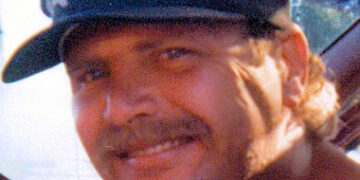
Sheriff’s deputies later confirmed the report and forwarded it to Lawrence County Adult Protective Services for follow-up. Officials noted that the man, identified as Mr. Sawyers, does have a son, though it is not yet clear if family members were aware of the living conditions.
Cases like this highlight a larger issue across the region: while much of the public thinks of police, firefighters, and medics as dealing with emergencies, they’re also often the ones who notice when adults are in silent danger. From neglected seniors to adults struggling with illness or disability, it’s usually first responders who are on the front lines of spotting abuse, neglect, or unsafe housing.
Authorities say the next steps will involve both medical care and intervention from protective services to determine if the patient can safely return home — or if other arrangements must be made.
In the meantime, the man’s condition serves as a stark reminder: sometimes the biggest rescues don’t involve flashing lights or dramatic rescues but simply noticing when someone can no longer safely care for themselves.